Without the rests and pauses, music would just be noise. The pauses add shape and definition to any composition and allow the rise and fall of the melody to stand out. In order to hear the music that is our life, we need to pause. Between tasks, before we react, when others are speaking. We need to rest when we are weary, to conclude that not everything needs to be done today, now, or maybe even at all. Sometimes less is more.
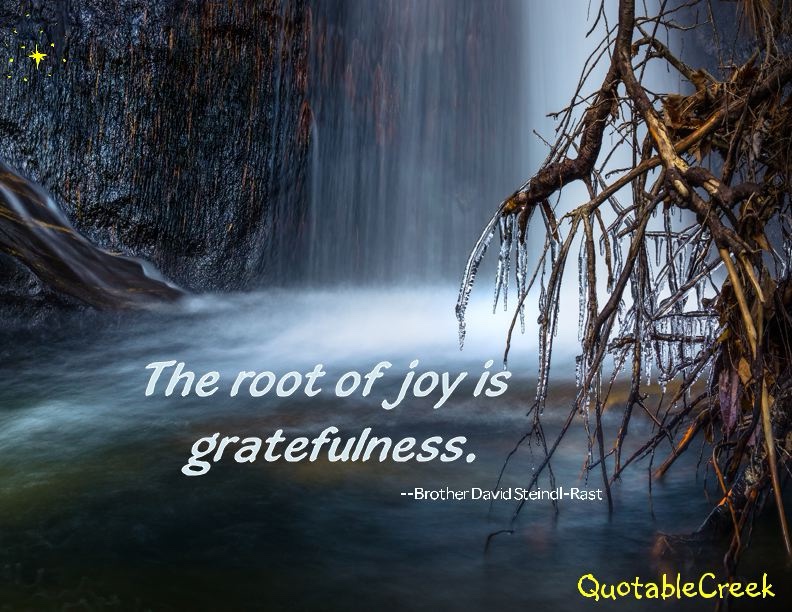
And as we pause, let us give thanks. For this life, these opportunities, these people (including those who vex you), and the abundance of life all around us.
In honor of the holiday, what is a way we can open to gratitude? Sometimes the veil is pulled back, and we can glimpse a larger picture, a connection between all things, an appreciation for the here and now, and we are grateful.
Brother David Steindl-Rast explains how these jolts into a different reality can change a day, and, perhaps, even a world:
My vision of the world? My hope for the future? This topic sounds a bit big. Allow me to start small—say, with crows. They are my special friends. Just as I am writing these lines, one of them, the shy one among my three regular guests, is gobbling up the Kitty Fritters I put out for them. This brings to mind a short poem by Robert Frost that might provide a stepping-stone for our deliberations about world-vision and hope for the future—if any.
The way a crow Shook down on me The dust of snow From a hemlock tree Has given my heart A change of mood And saved some part Of a day I had rued.
Surely you will remember a similar experience of your own: some quirky little incident made you smile, changed your mood, and suddenly the world looked brighter. If this ever happened to you, the key for understanding a causal chain of great consequence is in your hand: any change in attitude changes the way one sees the world, and this in turn changes the way one acts. When Robert Frost claims that the crow’s little trick “saved” part of a day he had rued, or of which he repented, he means this in the full sense of a redeeming change of heart. When he got home, I’m sure he greeted Mrs. Frost in a better mood than he would have been able to do without the crow’s nudge. And there is no telling what this did to her—and to the way she treated the dog afterwards, or talked more kindly to her neighbor.
He continues to suggest five small, easily adopted ways to bring this gratitude into your life and, consequently, into the world:
1. Say one word today that will give a fearful person courage.
All gratitude expresses trust. Suspicion will not even recognize a gift as gift: who can prove that it isn’t a lure, a bribe, a trap? Gratefulness has the courage to trust and so overcomes fear. The very air has been electrified by fearfulness these days, a fearfulness fostered and manipulated by politicians and the media. There lies our greatest danger: fear perpetuates violence. Mobilize the courage of your heart. Say one word today that will give a fearful person courage.
2. Make a firm resolution never to repeat stories and rumors that spread fear.
Because gratitude expresses courage, it spreads calm. Calm of this kind is quite compatible with deep emotions. In fact, mass hysteria fostered by the media betrays a morbid curiosity rather than deep feeling—superficial agitation rather than a deep current of compassion. The truly compassionate ones are calm and strong. Make a firm resolution never to repeat stories and rumors that spread fear. From the stillness of your heart’s core reach out. Be calm and spread calm.
3. Make contact with people whom you normally ignore
When you are grateful, your heart is open—open towards others, open for surprise. When disasters hit we often see remarkable examples of this openness: strangers helping strangers sometimes in heroic ways. Others turn away, isolate themselves, dare even less than at other times to look at each other. Violence begins with isolation. Break this pattern. Make contact with people whom you normally ignore—eye-contact at least—with the cashier at the supermarket, someone on the elevator, a beggar. Look a stranger in the eyes today and realize that there are no strangers.
4. Give someone an unexpected smile today
You can feel either grateful or alienated, but never both at the same time. Gratefulness drives out alienation; there is not room for both in the same heart. When you are grateful you know that you belong to a network of give-and-take and you say “yes” to that belonging. This “yes” is the essence of love. You need no words to express it; a smile will do to put your “yes” into action. Don’t let it matter to you whether or not the other one smiles back. Give someone an unexpected smile today and so contribute your share to peace on earth.
5. Listen to the news today and put at least one item to the test of Common Sense.
What your gratefulness does for yourself is as important as what it does for others. Gratefulness boosts your sense of belonging; your sense of belonging in turn boosts your Common Sense—not the conventional mind set which we often confuse with it. The common sense that springs from gratefulness is incompatible with a set mind. It is just another name for thinking wedded to cosmic intelligence. Your “yes” to belonging attunes you to the common concerns shared by all human beings—all beings for that matter. In a world we hold in common, nothing else makes sense but Common Sense. We have only one enemy: Our common enemy is violence. Common Sense tells us: we can stop violence only by stopping to act violently; war is no way to peace. Listen to the news today and put at least one item to the test of Common Sense.
The five steps I am suggesting here are small, but they work. It helps that they are small: anyone can take them. Imagine a country whose citizens—maybe even its leaders—are brave, calm, and open towards each other; a country whose people realize that all human beings belong together as one family and must act accordingly; a country guided by Common Sense. To the extent to which we show ourselves not hateful but grateful this becomes reality.
Who would have thought that a prankish crow shaking down snow from a hemlock tree could inspire this vision of a sane world? Well, if we leave it to the crows, there is still hope.
Small steps; big pay-off. And, to remember, keep your eyes open for the birds. They are there, singing songs of hope.
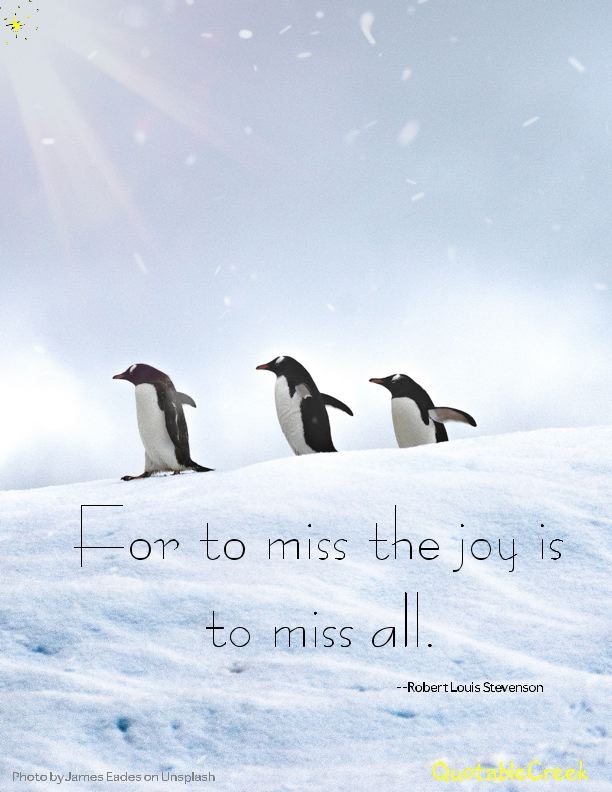
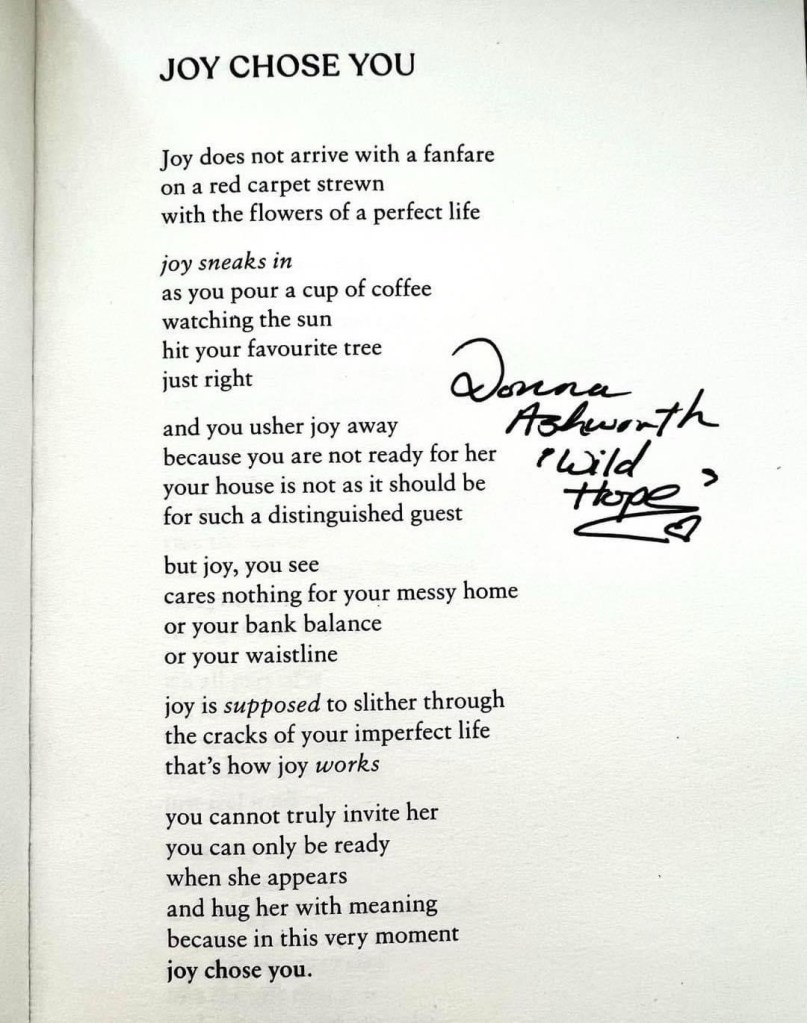
Today, may you find joy in all the little moments. In the solitude and in the bustle. In the labor and in the rest. May that joy bring you peace and connection on this imperfect day in your imperfect life. May joy choose you.
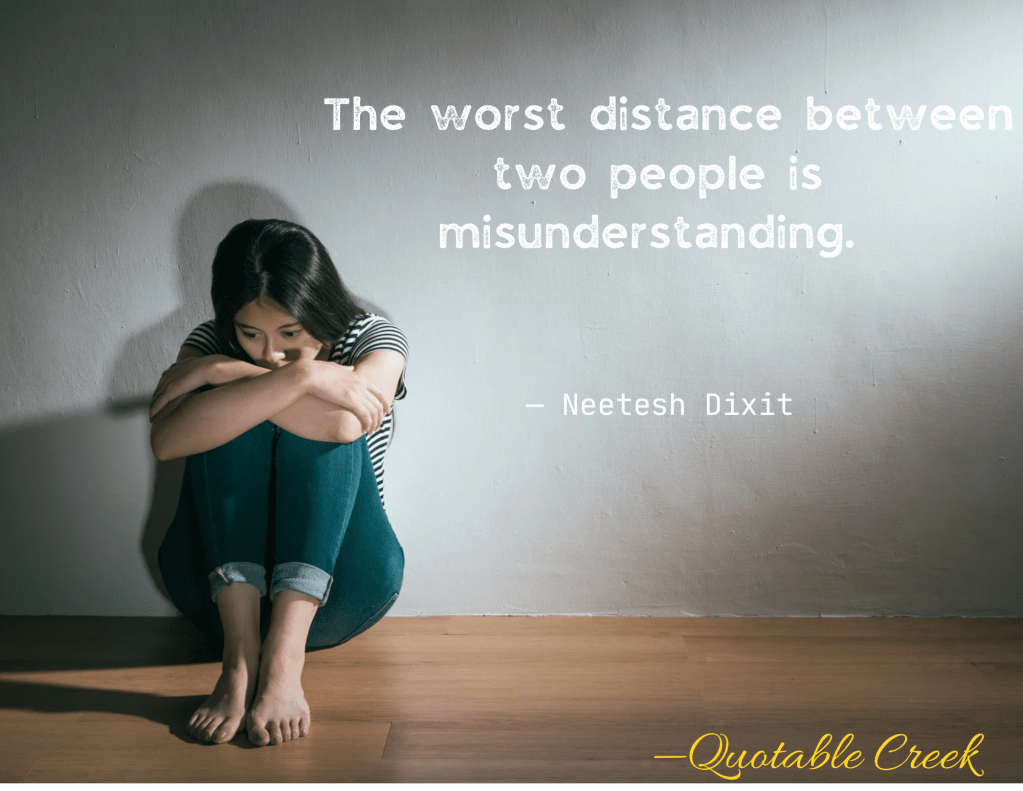
One of the most frustrating things is to be misunderstood. To have your explanations fall on deaf ears or a hardened heart.
Once I lost a friendship because my friend believed I had done something I hadn’t done. My assurances fell flat. Worse, I knew who had actually done the thing I had been accused of but didn’t say because that might jeopardize their friendship. So I became the exiled one. And watched that other friendship prosper. The protected friend knew I had paid the penalty for their own actions but wasn’t about to confess.
Misunderstandings can be so frustrating. Much better to be punished for something you actually did, a choice freely made, even if wrong. There is sense in that. But misunderstandings bring a helpless feeling coupled with an anger at the injustice of it all.
I wonder how many relationships have been lost over misunderstandings, for reasons that weren’t even true. Or how many people, even, wrongfully convicted. What of all that hurt and loss over things that aren’t even true?
What do you do in the face of that kind of senseless tragedy? One thing, of course, is to fess up if someone is bearing a penalty for something you did. But beyond that maybe is the way we open our own ears and soften our hearts to make sure that we’re not the ones cutting people off and ending relationships over things we might be wrong about.
No one captures this angst of being misunderstood better than Nina Simone with her prayer, O Lord, please don’t let me be misunderstood.
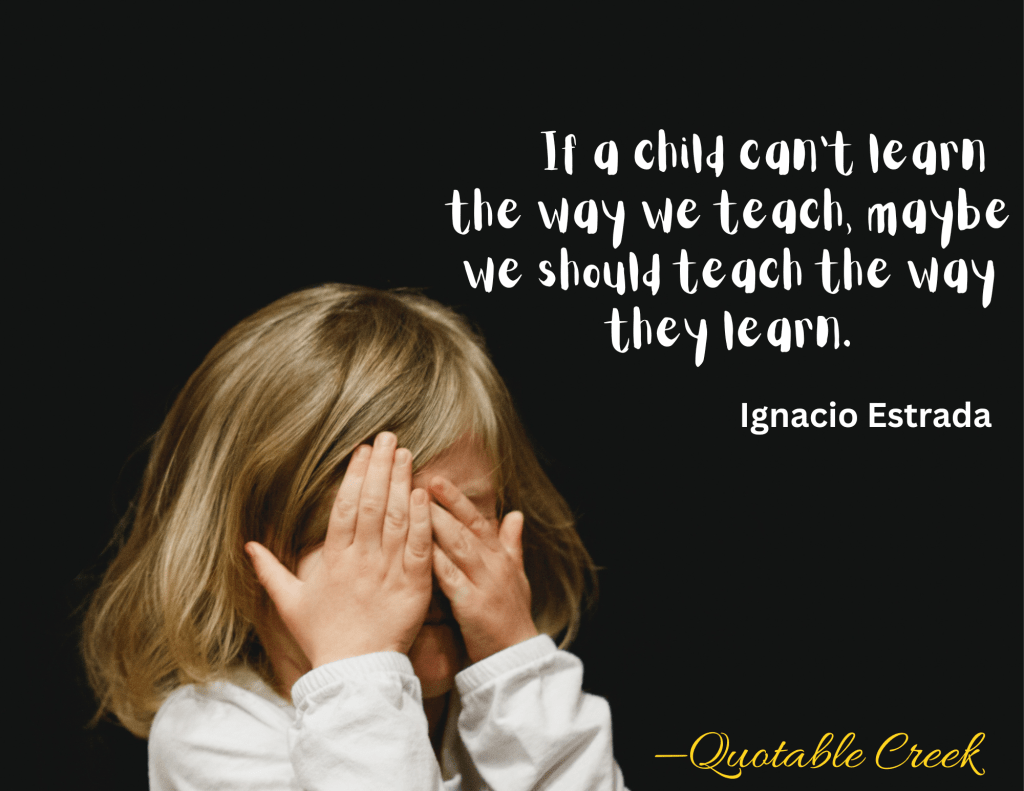
One of the most joyful things about teaching is finding the method that leads to a particular child learning where perhaps they struggled before. Finding the right key for the lock. Teaching, in this way, is one of the most creative and challenging jobs because each child is unique. Not every child can simply sit at a desk and listen to their teacher drone on and somehow absorb and master the material. In fact, a student who would prefer this lecture method is rare.
A vibrant classroom is filled with hands-on, group work, mentoring, art, music, activities, and so on. There are so many ways to teach and pair the right method with the right child. This is why a good teacher will always feel they learn as much as they teach. Of course, implicit in this challenge is having as the goal, helping the child learn. When obedience and regiment replaces learning as the goal, and the teaching method is rigid and unyielding, often students will struggle and fall through the gaps.
Teachers need to always keep their eye on the ball. The bottom line, the mission, is helping children learn.
There are so many areas where the same analysis applies. Where perhaps we fail to keep our eye on the right ball.
My pastor posted the following:
The method v. The mission. There are many ‘This is the way we’ve always done it’ or ‘Technology isn’t our thing’ or ‘Let’s just keep to ourselves’ sentiments behind each failing church. And misplaced beliefs that perhaps there’s just no space for church anymore in today’s world.
And yet.
In both teaching and ministry, there remains the mission. To help children learn. To help God’s people. And these needs in the world are growing, not shrinking.
So then the question becomes, and really always has been, how can we adapt our methods to fulfill our mission?
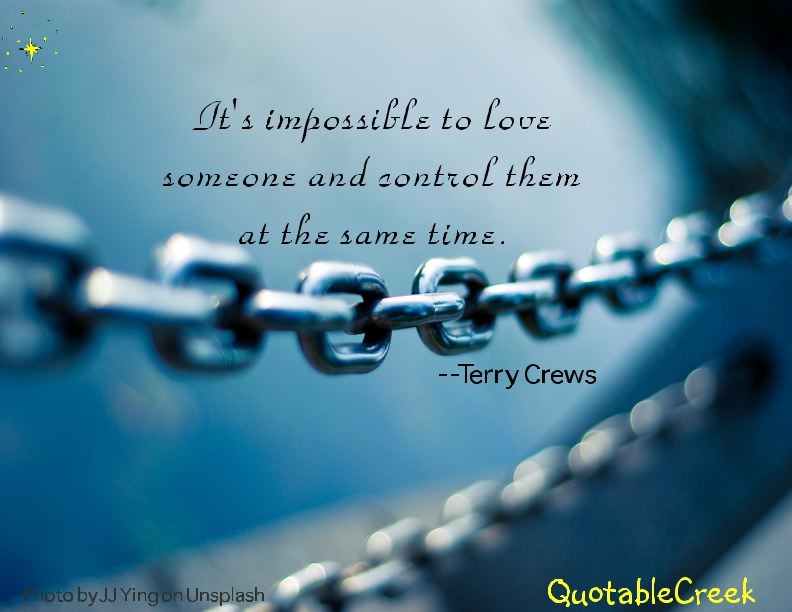
We want to support the people we love as they go through difficult times, but how often does that support turn into telling them what to do or criticizing them for what they’ve done? How often does it make our loved one feel smaller or shamed or detached? What message does our trying to control them or the situation send them about our confidence in their abilities to handle the curve balls that life throws at us all?
In this powerful column on the concept of holding space, Heather Plett explains how we can show up for the people we care about without controlling them or the outcome, how our presence can be constructive rather than destructive, how we can offer support in a healthy way. She learned these lessons from Ann, a palliative care nurse who helped her deal with the challenges of her aging mother’s impending death. Here are Heather’s eight take-aways:
Give people permission to trust their own intuition and wisdom. When we were supporting Mom in her final days, we had no experience to rely on, and yet, intuitively, we knew what was needed. We knew how to carry her shrinking body to the washroom, we knew how to sit and sing hymns to her, and we knew how to love her. We even knew when it was time to inject the medication that would help ease her pain. In a very gentle way, Ann let us know that we didn’t need to do things according to some arbitrary health care protocol – we simply needed to trust our intuition and accumulated wisdom from the many years we’d loved Mom.
Give people only as much information as they can handle. Ann gave us some simple instructions and left us with a few handouts, but did not overwhelm us with far more than we could process in our tender time of grief. Too much information would have left us feeling incompetent and unworthy.
Don’t take their power away. When we take decision-making power out of people’s hands, we leave them feeling useless and incompetent. There may be some times when we need to step in and make hard decisions for other people (ie. when they’re dealing with an addiction and an intervention feels like the only thing that will save them), but in almost every other case, people need the autonomy to make their own choices (even our children). Ann knew that we needed to feel empowered in making decisions on our Mom’s behalf, and so she offered support but never tried to direct or control us.
Keep your own ego out of it. This is a big one. We all get caught in that trap now and then – when we begin to believe that someone else’s success is dependent on our intervention, or when we think that their failure reflects poorly on us, or when we’re convinced that whatever emotions they choose to unload on us are about us instead of them. It’s a trap I’ve occasionally found myself slipping into when I teach. I can become more concerned about my own success (Do the students like me? Do their marks reflect on my ability to teach? Etc.) than about the success of my students. But that doesn’t serve anyone – not even me. To truly support their growth, I need to keep my ego out of it and create the space where they have the opportunity to grow and learn.
Make them feel safe enough to fail. When people are learning, growing, or going through grief or transition, they are bound to make some mistakes along the way. When we, as their space holders, withhold judgement and shame, we offer them the opportunity to reach inside themselves to find the courage to take risks and the resilience to keep going even when they fail. When we let them know that failure is simply a part of the journey and not the end of the world, they’ll spend less time beating themselves up for it and more time learning from their mistakes.
Give guidance and help with humility and thoughtfulness. A wise space holder knows when to withhold guidance (ie. when it makes a person feel foolish and inadequate) and when to offer it gently (ie. when a person asks for it or is too lost to know what to ask for). Though Ann did not take our power or autonomy away, she did offer to come and give Mom baths and do some of the more challenging parts of caregiving. This was a relief to us, as we had no practice at it and didn’t want to place Mom in a position that might make her feel shame (ie. having her children see her naked). This is a careful dance that we all must do when we hold space for other people. Recognizing the areas in which they feel most vulnerable and incapable and offering the right kind of help without shaming them takes practice and humility.
Create a container for complex emotions, fear, trauma, etc. When people feel that they are held in a deeper way than they are used to, they feel safe enough to allow complex emotions to surface that might normally remain hidden. Someone who is practiced at holding space knows that this can happen and will be prepared to hold it in a gentle, supportive, and nonjudgmental way. In The Circle Way, we talk about “holding the rim” for people. The circle becomes the space where people feel safe enough to fall apart without fearing that this will leave them permanently broken or that they will be shamed by others in the room. Someone is always there to offer strength and courage. This is not easy work, and it is work that I continue to learn about as I host increasingly more challenging conversations. We cannot do it if we are overly emotional ourselves, if we haven’t done the hard work of looking into our own shadow, or if we don’t trust the people we are holding space for. In Ann’s case, she did this by showing up with tenderness, compassion, and confidence. If she had shown up in a way that didn’t offer us assurance that she could handle difficult situations or that she was afraid of death, we wouldn’t have been able to trust her as we did.
Allow them to make different decisions and to have different experiences than you would. Holding space is about respecting each person’s differences and recognizing that those differences may lead to them making choices that we would not make. Sometimes, for example, they make choices based on cultural norms that we can’t understand from within our own experience. When we hold space, we release control and we honour differences. This showed up, for example, in the way that Ann supported us in making decisions about what to do with Mom’s body after her spirit was no longer housed there. If there had been some ritual that we felt we needed to conduct before releasing her body, we were free to do that in the privacy of Mom’s home.
That #4 is a tough one, yes? We want to be important; we want to save the day; we think we know best. But giving others a safe place to find their own path forward empowers them to meet future challenges with resilience and courage. If they are dependent on us and our ‘wisdom’, they may not trust their own abilities. And, let’s be honest, do we really have all the answers anyway; isn’t life surprising and full of struggles that we don’t anticipate fully? Don’t we all need to develop the resilience and courage to respond to these challenges?
For more on Terry Crews and the background of the powerful quote above, including his conclusion that we can evolve and change and do things better, go here.
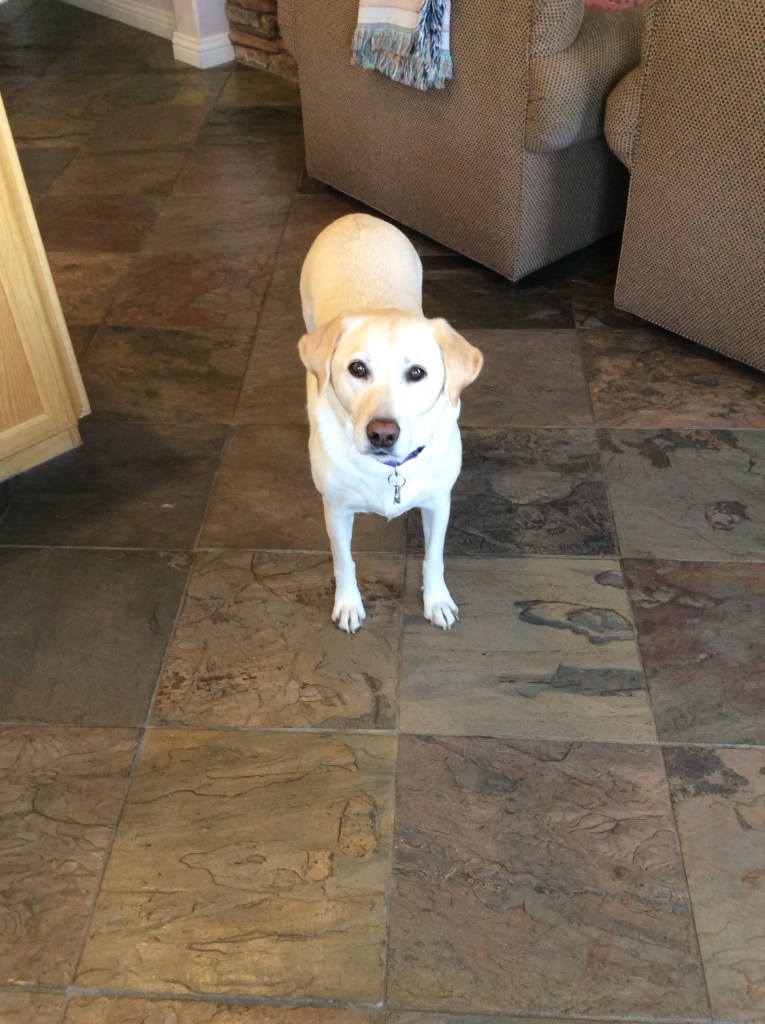
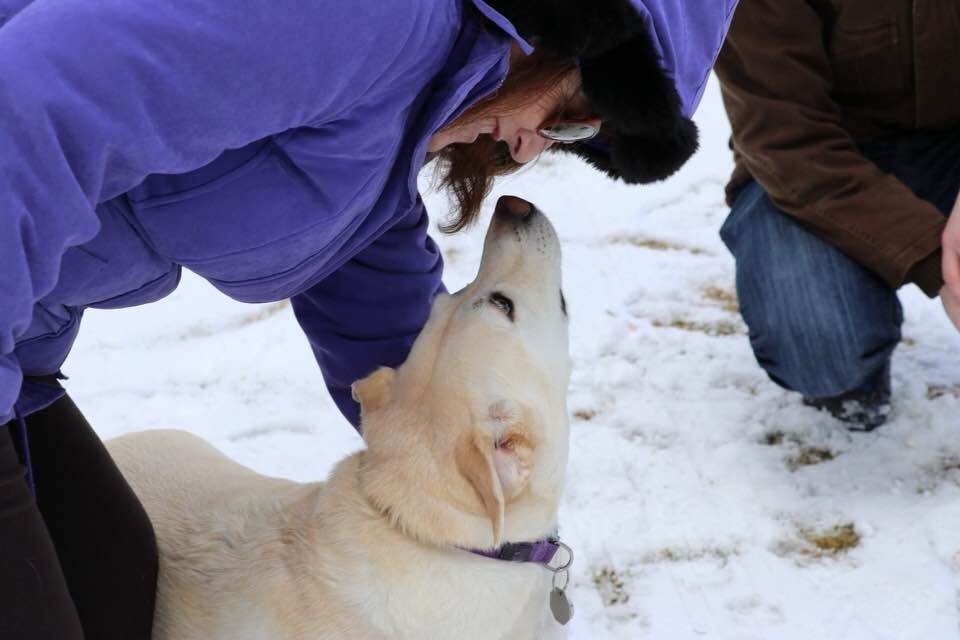
For those of you who know me, you know I recently lost Honey, my beloved dog. Honey was my soul animal, my constant light, my precious girl. I am having trouble accepting that I won’t see her again. The world feels so different without her presence in it. And those eyes. What I would give to look in those eyes again!
Loss is hard. Whether it is of a spouse, a child, a friend, or a pet. We carry a hole with us where that loved one was. But when we sit and consider that relationship and dwell on the things about it for which we are grateful, the loss hurts a bit less.
Smiles replace tears. Warm memories flood our senses. Laughter surprises us. We remember ways we’ve grown or blossomed because of that relationship. Gratitude replaces hurt or anger or grief.
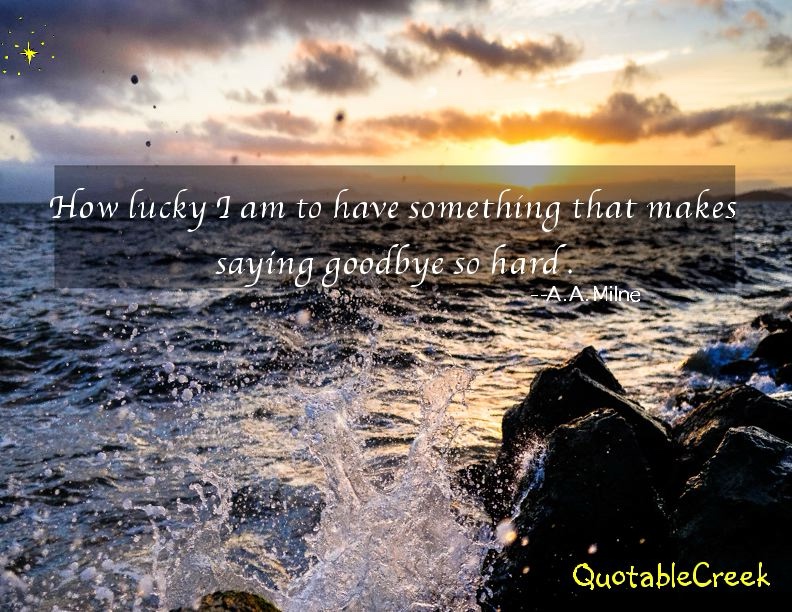
We remember that, yes, we had to say goodbye, but how lucky we were to say hello.
In his letter to the early church at Corinth, Paul sets out how love shows up in the world in his effort to help them get along. It is a frequent text for weddings:
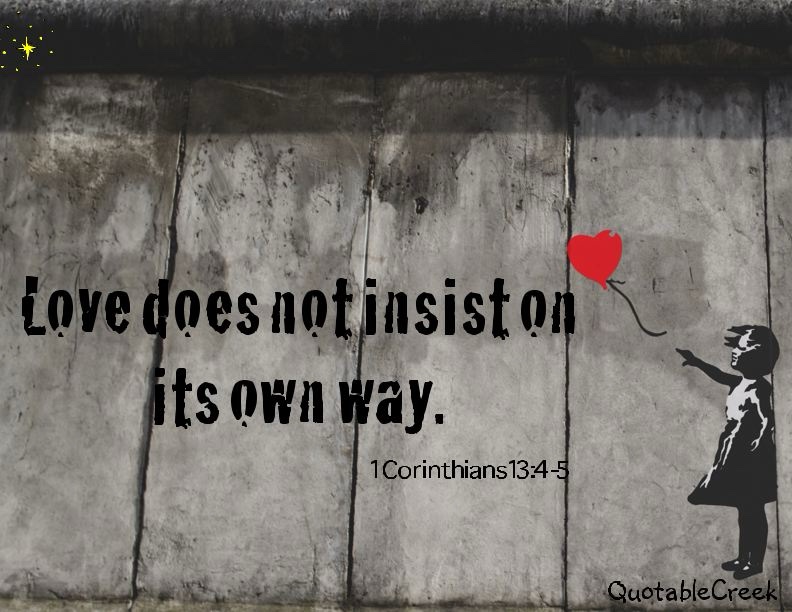
“Love is patient and kind; love does not envy or boast; it is not arrogantor rude. It does not insist on its own way; it is not irritable or resentful…” 1 Corinthians 13:4-5.
To those about to marry, an interesting exercise is to substitute the name of your beloved each time the word ‘Love’ appears. And an even more interesting exercise, for all of us, is to substitute our own names instead of the word ‘love’:
I am patient and kind; I do not envy or boast; I am not arrogant or rude. I do not insist on my own way; I am not irritable or resentful….
How did you do? For many of us, this simple recitation shows us the exact ways and times we are being less than loving and calls us to consider those actions. Must we insist on our own way? How do we know what is right? Isn’t it possible that someone else may be right, too? Are we becoming impatient with others? Can we take a minute to rein ourselves in, breathe deeply, and begin again? Are we holding grudges? Can we let the past go and try to make our present the best possible? And so on.
These checks we can do to measure our progress and monitor our moods against the ideal of love can be very helpful to keep us on track showing up in this world as close to lovingly as we can get.
It’s okay to be heartbroken for more than one group of people at the same time. When it comes to showing compassion, we don’t have to pick sides. Sometimes, often really, maybe even always, there is hurt and anguish everywhere, and we can mourn the lot of it.
Beware people who tell you not to be concerned for this group or that group and the hurt they feel.
Beware those who try to dehumanize others.
Beware those who lump you in as the ‘enemy’ for working to assure people are treated humanely.
Beware people who draw lines between us and them.
Beware those who try to limit you to a label or single identity.
Our hearts are big enough to embrace it all. What we must save is love.
When we find ourselves in challenging times and are unsure which way to turn, let these words help guide you.
Do justice. Peace, justice, love are things we do and bring about, not things we wait for. With our best discernment, we offer ourselves to the world, hoping to make a difference. Kind words, loving hearts, calm demeanors, patience, forbearance, and forgiveness. The way of the One we follow. A servant’s heart but a leader’s strength.
Love mercy. Oh, how the world loves vengeance, cancelling, grudges, getting even, punishment. To love mercy is a kinder, gentler path, one that believes in the redeem-ability of every last one of us. One that doesn’t insist on being avenged or having the last word. One that delights in forgiveness and healing.
Walk humbly. No matter how hard we try to do or be right, we may be wrong. The other guy might be right. And, get this, God loves the other guy as much as God love you.





 QuotableCreek.com