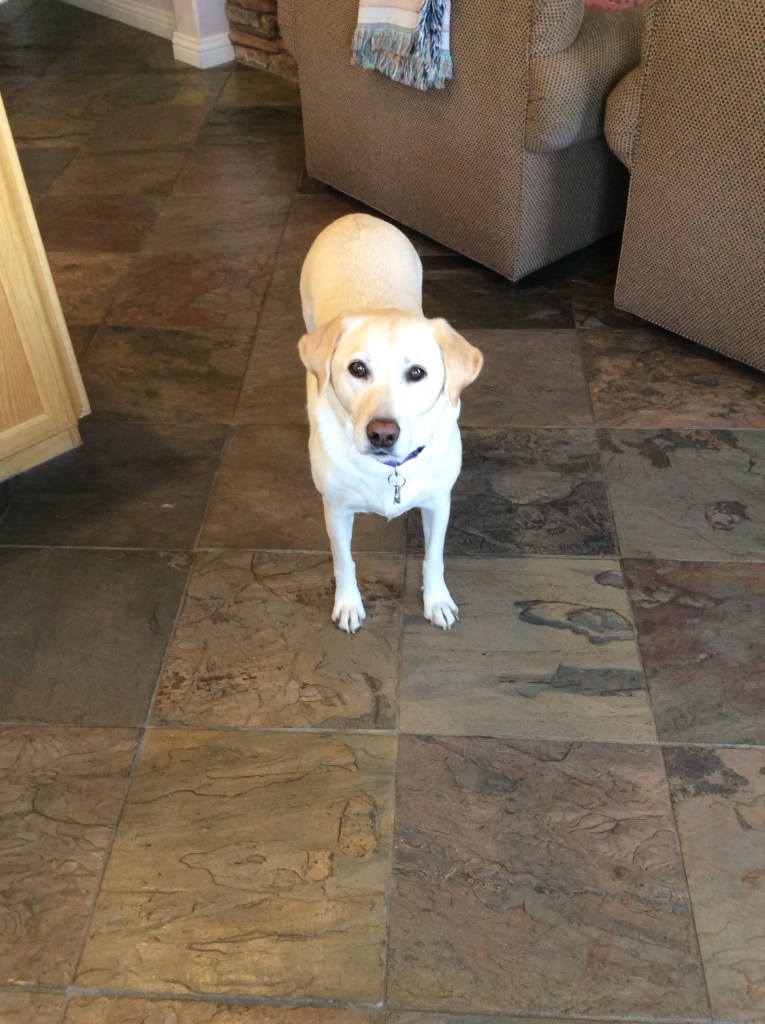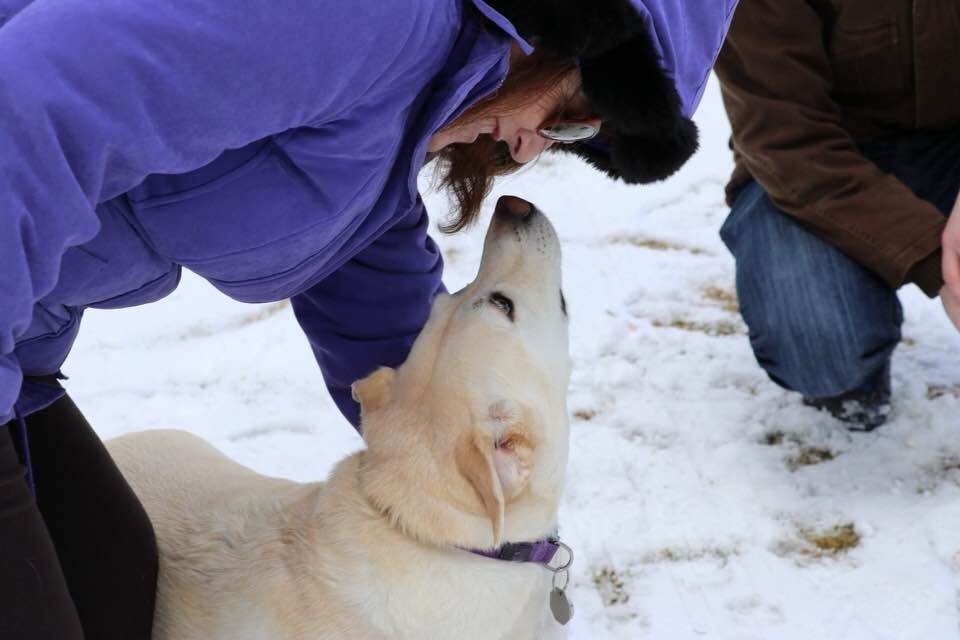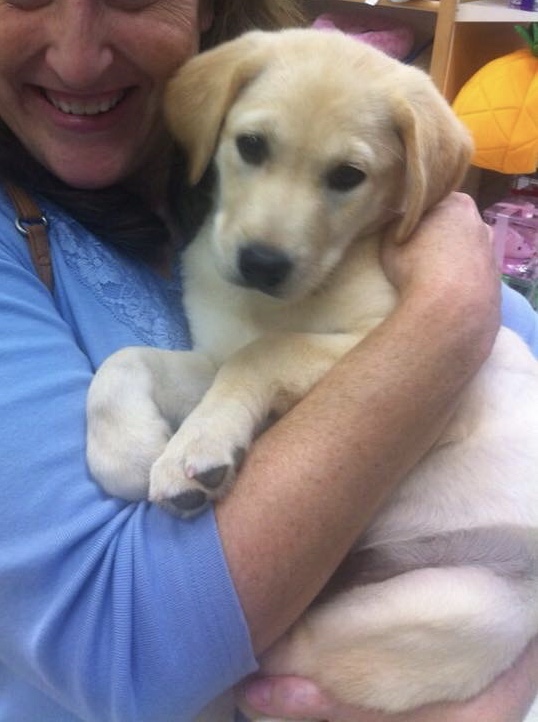
For those of you who know me, you know I recently lost Honey, my beloved dog. Honey was my soul animal, my constant light, my precious girl. I am having trouble accepting that I won’t see her again. The world feels so different without her presence in it. And those eyes. What I would give to look in those eyes again!
Loss is hard. Whether it is of a spouse, a child, a friend, or a pet. We carry a hole with us where that loved one was. But when we sit and consider that relationship and dwell on the things about it for which we are grateful, the loss hurts a bit less.
Smiles replace tears. Warm memories flood our senses. Laughter surprises us. We remember ways we’ve grown or blossomed because of that relationship. Gratitude replaces hurt or anger or grief.
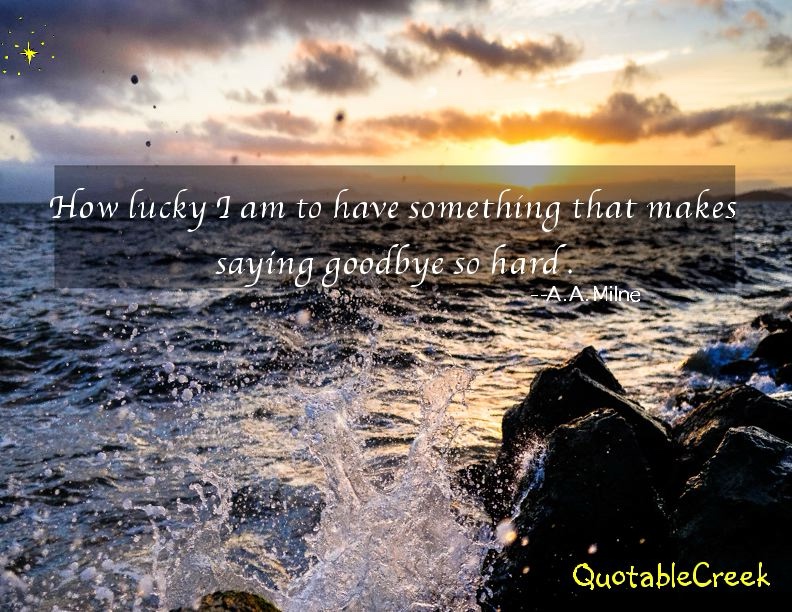
We remember that, yes, we had to say goodbye, but how lucky we were to say hello.
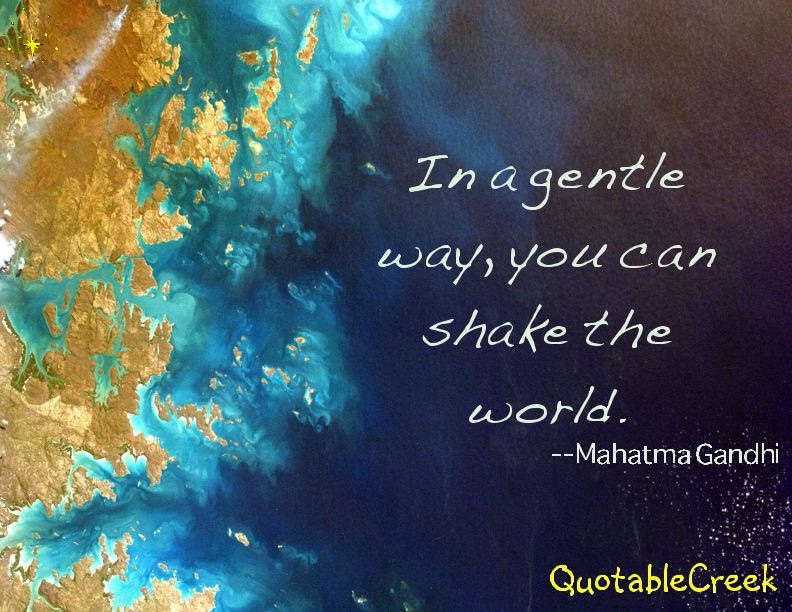
It’s okay to be heartbroken for more than one group of people at the same time. When it comes to showing compassion, we don’t have to pick sides. Sometimes, often really, maybe even always, there is hurt and anguish everywhere, and we can mourn the lot of it.
Beware people who tell you not to be concerned for this group or that group and the hurt they feel.
Beware those who try to dehumanize others.
Beware those who lump you in as the ‘enemy’ for working to assure people are treated humanely.
Beware people who draw lines between us and them.
Beware those who try to limit you to a label or single identity.
Our hearts are big enough to embrace it all. What we must save is love.
When we find ourselves in challenging times and are unsure which way to turn, let these words help guide you.
Do justice. Peace, justice, love are things we do and bring about, not things we wait for. With our best discernment, we offer ourselves to the world, hoping to make a difference. Kind words, loving hearts, calm demeanors, patience, forbearance, and forgiveness. The way of the One we follow. A servant’s heart but a leader’s strength.
Love mercy. Oh, how the world loves vengeance, cancelling, grudges, getting even, punishment. To love mercy is a kinder, gentler path, one that believes in the redeem-ability of every last one of us. One that doesn’t insist on being avenged or having the last word. One that delights in forgiveness and healing.
Walk humbly. No matter how hard we try to do or be right, we may be wrong. The other guy might be right. And, get this, God loves the other guy as much as God love you.
I was scrolling on what used to be called Twitter and read the following post.
This really struck me. What am I doing with the power, life, opportunities, strengths, etc., that I actually have? Not the ones I dream of having, or used to have, or might someday have, or ones I admire in someone else. Mine. Right here, right now.
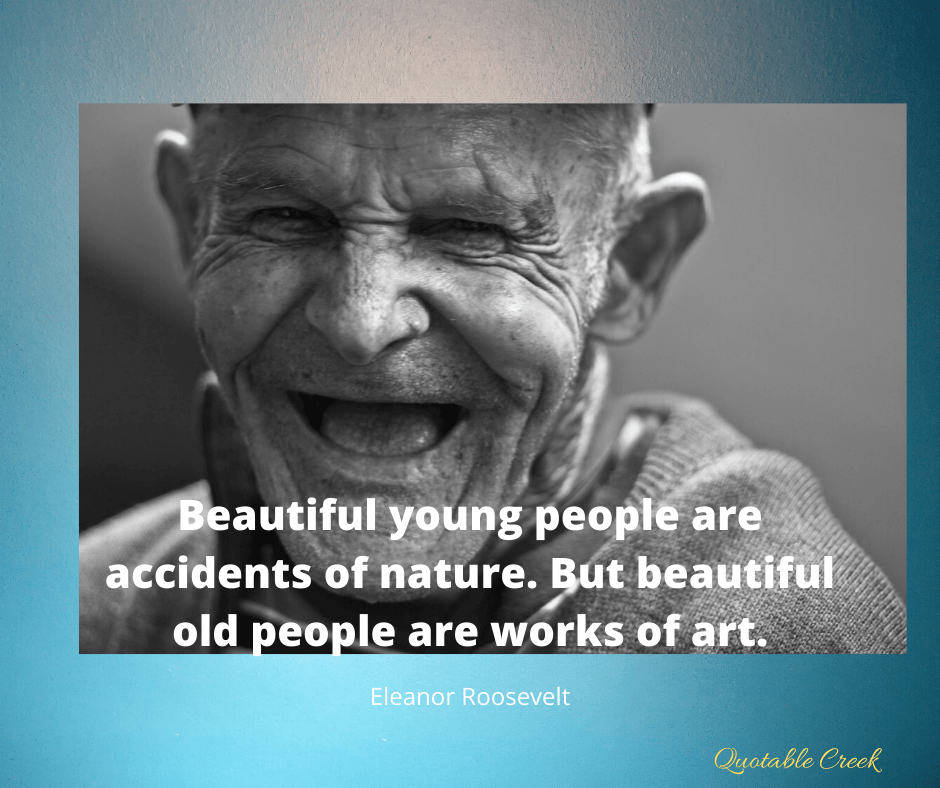
There is a certain tipping point where life becomes weighted with loss. Things shift from everything out ahead to having a full past. In many ways, it is challenging, sad, and frustrating. But in some, it can be liberating.
Consider these words from Anne Lamott:
“So many indignities are involved in aging, and yet so many graces, too. The perfectionism that had run me ragged and has kept me scared and wired my whole life has abated. The idea of perfectionism at 60 is comical when, like me, you’ve worn non-matching black flats out on stage. In my experience, most of us age away from brain and ambition toward heart and soul, and we bathe in relief that things are not worse. When I was younger, I was fixated on looking good and impressing people and being so big in the world. By 60, I didn’t care nearly as much what people thought of me, mostly.”
“I do live in my heart more, which is hard in its own ways, but the blessing is that the yammer in my head is quieter, the endless questioning: What am I supposed to be doing? Is this the right thing? What do you think of that? What does he think of that?”
“A lot of us thought when we were younger that we might want to stretch ourselves into other areas, master new realms. Now, I know better. I’m happy with the little nesty areas that are mine. For some reason, I love my softer, welcoming tummy. I laugh gently more often at darling confused me’s spaced-outed ness, although I’m often glad no one was around to witness my lapses.”
I do ‘feel I live in my heart more’ as she notes. And that grief is keen and biting. Almost as if my mind is at war with itself, one half realizing that death is a natural part of life, inevitable. While the other half refuses to accept the new reality. And yet, ultimately, it is our impermanence that gives our lives luster and meaning. And acceptance, if it should come, may not bring comfort, but peace.
If you look for thorns, you’ll see thorns. If you look for love, you’ll see it all around you. And if you look for opportunities to make a difference, to shower people with love, and to take a stand for all that is good and right in the world, those opportunities will be there.
“In one of John Muir Laws’s books, I read something profound that changed the way my brain thinks. “As you draw the bird,” he writes, “try to feel the life within it.” So now I look at the bird before me and imagine how it senses the world, how it feels breathing cold air, how it feels to have its feathers ruffling in the wind, how it feels to always have an eye out for possible food and possible predators. The bird sees me and is a nanosecond from flying off, but it stays. Why? By imagining the life within, the bird I am drawing is alive, no longer a shape and its parts, but a thinking, sentient being, always on the brink of doing something. By feeling the life within, I am always conscious that all creatures have personalities, and so do trees and clouds and streams. To feel the life within, I now imagine myself as the bird that is looking at me. I imagine its wariness, the many ways it has almost died in its short life. I worry over its comfort and safety, and whether I will see my little companion the next day, the next year. To feel the life within is to also feel grief in the goneness of a single creature or an entire species. Imagination is where compassion grows. Let us join with children to imagine and wonder, to use curiosity as the guide to miracles in plain sight. Let us enter with them into wild wonder so that we become guardians together of all that is living and all that must be saved.”
From Orion Magazine, “The Life Within”.
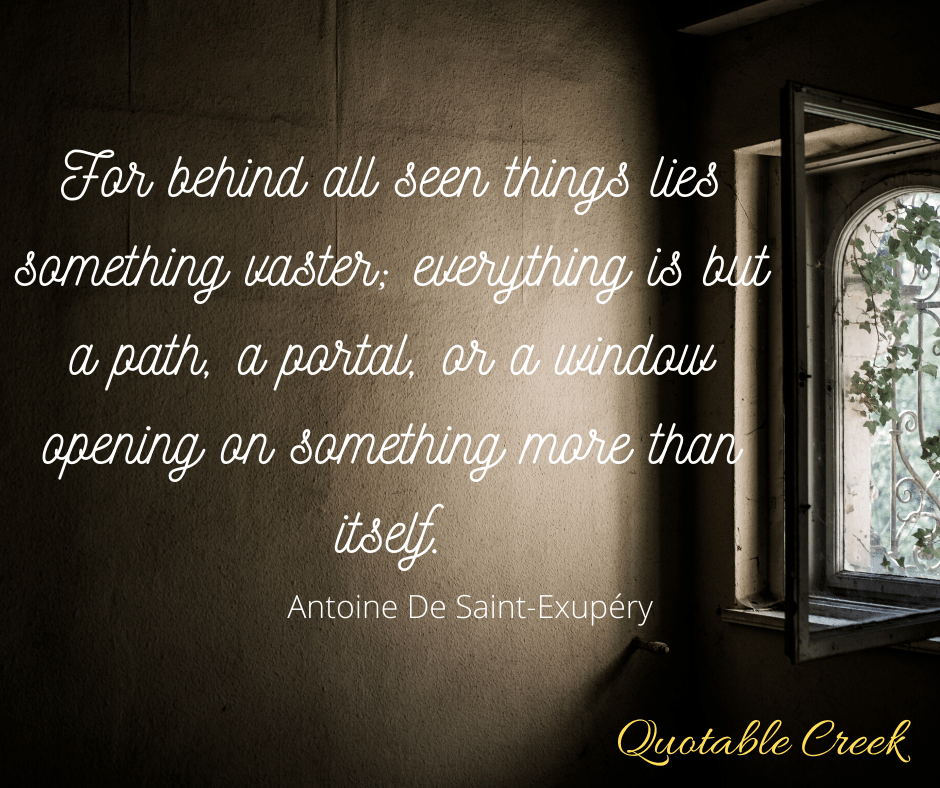
I wonder if we can look at each other that way, as something vaster, as thinking sentient beings with worlds of experience, some harsh. Would that help us to treat each other better? In her book, Dead Man Walking, Sister Helen Prejean describes just this sort of thing as she works with a death row inmate, a man who admittedly committed a heinous act, seeing not just the man but also, though covered with tattoos and bathed in bravado, the little wounded child within. That empathy allowed her to see past the crimes to the human and to feel compassion for him.
Perhaps today we can look with new eyes to see each other as a composite of good and bad, but each fully human and fully deserving of respect and compassion. To paraphrase Amy Tan above, when we consider the person, can we try to picture the life within, the challenges and struggles, hopes and triumphs? Can we become, together, ‘guardians of all that is living and must be saved’ in a place where ‘compassion grows’?
I learned a new word recently, or perhaps, more accurately, a new application of a word I had thought of as a verb.
Glimmer.
It’s the opposite of a trigger. A trigger may set off negative reactions or memories in your brain and cause you stress, but a glimmer is a moment in time that brings you joy, happiness, peace, or gratitude. A glimpse of something deep and profound perhaps, an opening of the curtain or peek behind the veil.
For me, glimmers include the crunch of autumn leaves, toddler laughs, cloudy days, pausing and noticing the intricacies of city planning. The list goes on and on, but the important thing is we can train ourselves to look for glimmers, not to let them pass unnoticed.
And they will be everywhere. Reminding you that you are part of something bigger and mysterious.
I’ve been watching Lessons in Chemistry, based on a wonderful book. One part stood out for me last night. A dog character, Six Thirty, remembers why his person, Calvin, said he loves running. Calvin said even when it is hard or you don’t think you can go on anymore, you just keep putting one foot in front of the other.
“One foot. One foot. And then sure enough, you’ll be home.”.
Isn’t that profound? In this life, we keep putting one foot in front of the other, until we’re home.
Slow and steady wins the race. We get discouraged and stop, or chase after another enticing goal, or turn back. But, if we stay true, we will make progress. One foot, one foot.
Remember the tortoise and the hare? They had a rematch recently:
Sometimes turning off the news is the best form of mental health protection.
But then we remember. In times of darkness, there are always those working to light a path, helping, fighting for the common good, making progress.
And maybe we, too, can help.
Maybe not in large, brokering peace kind of ways. But in small ways that, combined together with the small ways of many, many others, may help to right a wrong or turn a tide.
I think of Horton Hears a Who by Dr. Seuss, everyone shouting and banging on pots to be heard, but it is the final Yopp of a child that turns the tide, saving their world.