The importance of self reflection.

We’ve always done it this way. Have you heard this? Said it? Maybe it’s time to look at ‘it’ with fresh eyes.

The same is true for the way we act, think, believe. Take a look. Is there anything there that is worth a reconsideration?

As we age, it’s easy to fall into ruts, easy to believe our way is the right way, easy to assume any problems are the other person’s fault.

Self-reflection, hard, soul-deep reflection, the kind of reflection that might be filled with regret and tears and epiphanies and apologies, is a good tune-up for our inner selves. Without it, there will be no progress.

Difficult people.

Do you  have any difficult people in your life? Chances are you can’t force them to be less toxic, but there are steps you can take to be less bothered by the encounter. In this article by Christine Carter, she suggests, among other things, that showing mercy to this difficult person will rebound to you:

Anne Lamott defines mercy as radical kindness bolstered by forgiveness, and it allows us to alter a communication dynamic, even when we are interacting with someone mired in anger or fear or jealousy. We do this by offering them a gift from our heart. You probably won’t be able to get rid of your negative thoughts about them, and you won’t be able to change them, but you can make an effort to be a loving person. Can you buy them a cup of coffee? Can you hold space for their suffering? Can you send a loving-kindness meditation their way?

Forgiveness takes this kindness to a whole new level. I used to think I couldn’t really forgive someone who’d hurt me until they’d asked for forgiveness, preferably in the form of a moving and remorseful apology letter.

But I’ve learned that to heal ourselves we must forgive whether or not we’re asked for forgiveness, and whether or not the person is still hurting us. When we do, we feel happier and more peaceful. This means that you might need to forgive the other person at the end of every day—or, on bad days, every hour. Forgiveness is an ongoing practice, not a one-time deal.

When we find ways to show mercy to even the person who has cost us sleep and love and even our well-being, something miraculous happens. “When we manage a flash of mercy for someone we don’t like, especially a truly awful person, including ourselves,” Anne Lamott writes, “we experience a great spiritual moment, a new point of view that can make us gasp.”

Here’s the real miracle: Our mercy boomerangs back to us. When we show radical kindness, forgiveness, and acceptance—and when we tell the truth in even the most difficult relationship—we start to show ourselves those things. We realize that we can love and forgive and accept even the most terrible aspects of our own being, even if it is only for a moment. We start to show ourselvesthe truth, and this makes us feel free.

Perhaps you can show that difficult person mercy today.

Looking closely.

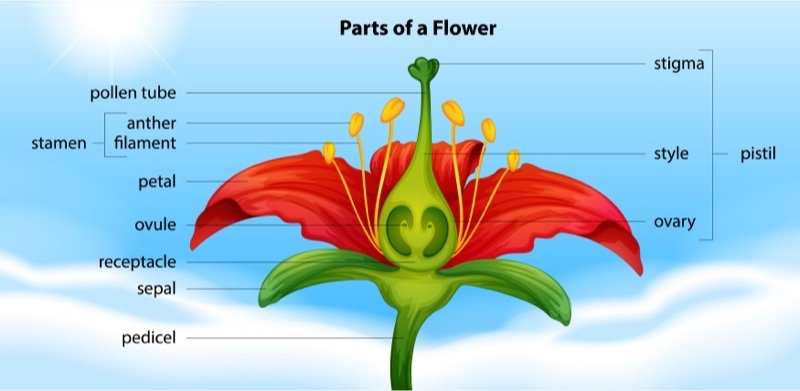
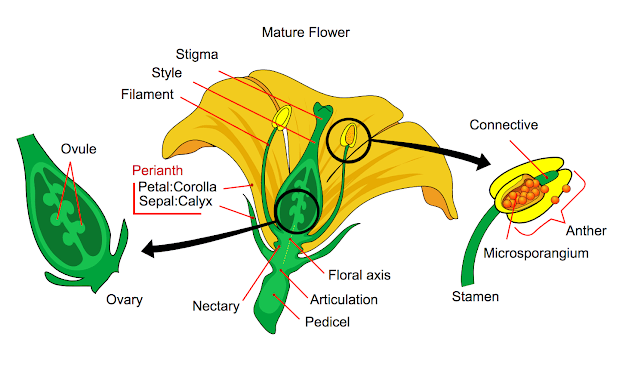
One of the lessons from my elementary school days that still stands out in memory was flower dissection day. I was astonished with the intricacy in a flower. Where before I saw just a flower, now I saw intricate systems for reproduction, male and female organs, color and smell to attract pollinators, a whole interconnection of systems. And this was just what I could see with my naked eye. Later I would discover the microscopic diversity and complexity of plant life. But then as a little 8 year old girl, I was gobsmacked with the complexity of it all.

Isn’t it all miraculous?

These days I need to stop and remember to let my much older self still stand in awe of the complexities of life. The interconnectedness of creation in all its abundance, from the dung beetle pushing its treasured clomp up a hill backwards with its hind feet, to the elements swirling together in a once in a generation storm.

Standing in awe requires both decentering ourselves and paying attention, absorbing both the tiniest details and the grand ones, and realizing our small place in the midst of it all. And even we humans are an amazing complexity of systems and organisms functioning together to keep us alive, made up of around 30 trillion human cells, and 39 trillion non-human microbial cells living on and in us. Our own body is essentially made up of many separate ecosystems. It is staggering.

I love being gobsmacked.

Rain

We can’t choose everything in life, but we can choose what kind of person we want to be.

As we deal with storms across the country and unprecedented blizzard watches here in Southern California, consider the importance of rain. Rain can be like encouragement, bringing nourishment and rebirth to dry parched land. It can promote an abundance of life and energy.

But, in excess, rain can cause flooding and landslides. It can sweep people away into rushing water and leave the landscape devastated.

Our words have the same power. We can be supportive and encouraging, fostering life and vitality in those we engage with. Or we can be harsh and critical, pessimistic and judgmental. Our words can both heal and wound. Our choice.

We can choose to be encouraging and supportive, rather than bleak and pessimistic.

We can avoid being the person who rains on someone else’s parade.

With whatever I have for as long as I can

With the news this week that former President Jimmy Carter has entered home hospice care, many people have been sharing stories about his accomplishments in office—his efforts for peace, his push for environmental stewardship, and his efforts toward energy independence, among others.

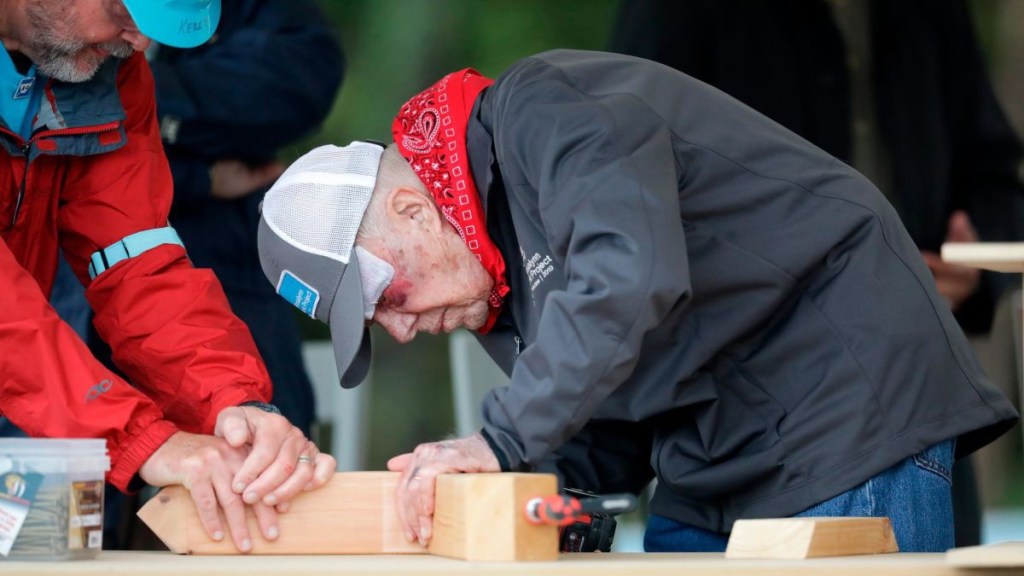
But his most striking accomplishments perhaps are what he has done since he lost his re-election bid. Rather than retreat to Georgia and exit the public arena, he began building houses for the poor, and working for democracy—a principle he firmly believed in—around the world, and standing up for women’s rights, even when that stand conflicted with his religion, and working to eradicate disease and so on. He has never stopped showing up to make a difference.

In a world that has grown more cynical and jaded since his entry into the public spotlight, he continues to show us what it means to walk the walk, quietly, humbly, and without fanfare. Here, surely, is a good and faithful servant of God.

Melting pot or mosaic?

When I was a girl, text books used the term ‘melting pot’ to describe America as if everyone were thrown into one big pot and all the differences were boiled out, with America becoming just one big homogenous pot of glop. But better metaphors have popped up in the years since. Such as a salad bowl:

We don’t need a melting pot in this country, folks. We need a salad bowl. In a salad bowl, you put in the different things. You want the vegetables – the lettuce, the cucumbers, the onions, the green peppers – to maintain their identity. You appreciate differences.

Jane Elliot

But perhaps my favorite is Jimmy Carter’s:

We become not a melting pot but a beautiful mosaic. Different people, different beliefs, different yearnings, different hopes, different dreams.

Jimmy Carter

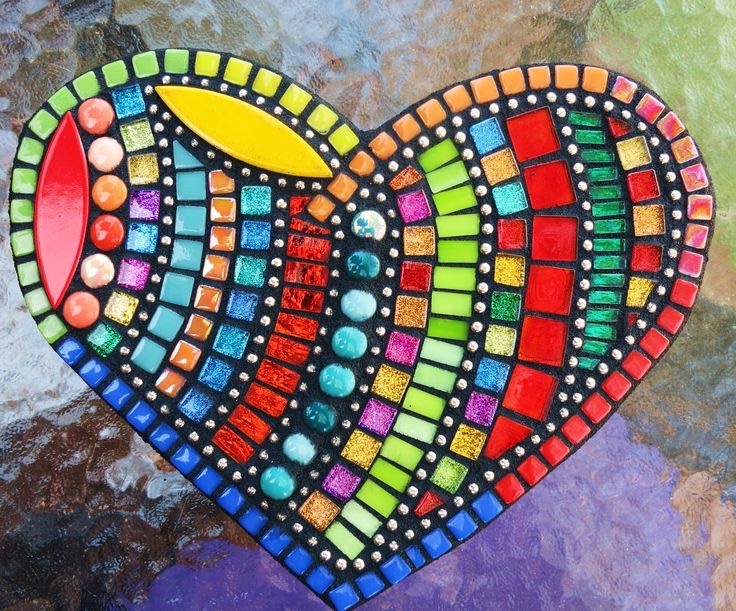
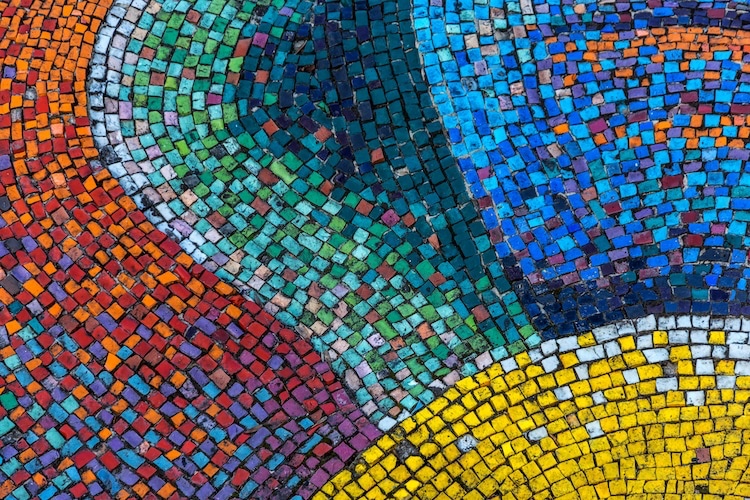
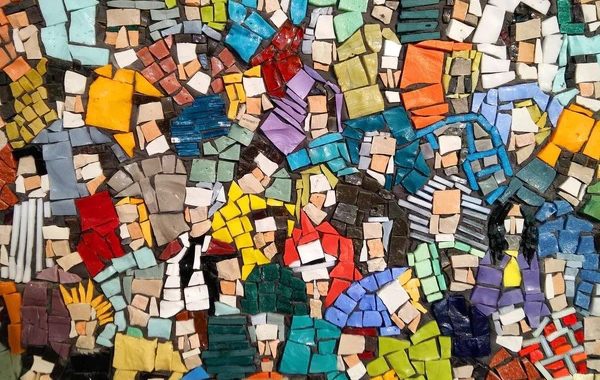
I love the idea of a mosaic to define America—beauty in all the bits and pieces, each a small distinct individual unit but also a necessary part of a larger picture.

No matter how you describe it, America at its best, living up to its ideals, is stronger because of its diversity, the unique perspectives, the mix of voices, backgrounds, cultures, and traditions.

The benefit of the doubt

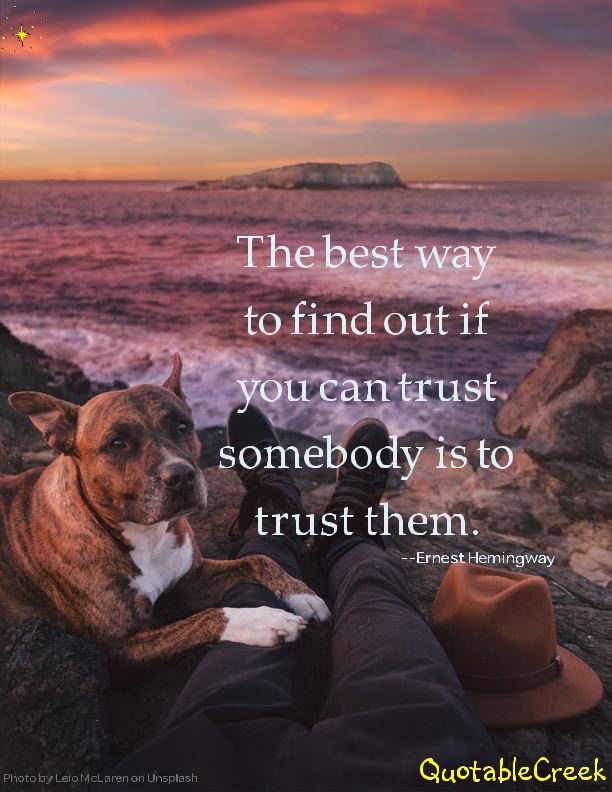
How often do we give others the benefit of the doubt? Do we assume the innocent explanation or conclude the worst?  Are we patient, or do we pounce at the very first mistake someone makes in trying to get their thoughts out? Do we search for the best in others, or do we protect ourselves in advance about the damage we fear may be inevitable by opening our hearts to trusting someone again?

Wouldn’t it be lovely to live in a world where everyone gave everyone else the benefit of the doubt? Where perceived offenses weren’t allowed to fester and grow? Where there was trust?

Consider this beautiful poem on friendship by Dinah Maria Craik. Isn’t this how we would like to make each other feel?

Friendship

by Dinah Maria Craik

Oh, the comfort —

the inexpressible comfort of feeling safe with a person —

having neither to weigh thoughts nor measure words,

but pouring them all right out,

just as they are,

chaff and grain together;

certain that a faithful hand will take and sift them,

keep what is worth keeping,

and then with the breath of kindness blow the rest away.

There is love

Sometimes we just need to get out of the way. What if we think of ourselves as vessels to collect love and then pour it out–not just on ourselves and those close to us, but on everyone and everything? What would our days look like if every encounter with someone else was an opportunity to be loving and thoughtful? What would our world look like if we used our time and energy to love it? What would our relationships look like if we laid down all our weapons–anger, resentment, hurt, selfishness–and just took the time to love each other, as if our very lives depended on it? They just may.

Praying our way into gratitude.

There are as many ways to pray as there are people praying. But what is it, exactly? Maybe it’s easier to answer what it isn’t: a flamboyant show, a chance to pose and preen publicly, a subterfuge, a droning recitation of memorized but not considered words.

What prayer actually is, though, is more complicated: a bridge between ourselves and the mysterious, a chance to become small, and yet fully individual, in a vastness, an experience of awe. Mary Oliver’s definition above in her poem Praying is lovely: a doorway into thanks. Consider the whole poem:

Praying

It doesn’t have to be

The blue iris, it could be

Weeds in a vacant lot, or a few

Small stones; just

Pay attention, then patch

A few words together and don’t try

To make them elaborate,

This isn’t a contest but the doorway

Into thanks, and a silence in

Which another voice may speak.

Pay attention; see the beauty around you; give thanks. Rinse and repeat.

Being a role model

Rob Kenney has a YouTube channel Dad, How Do I? where he teaches his nearly 3 million viewers how to do stuff. He got the idea for his channel wondering about the kids growing up without dads and wanting to help fill that space for them, teaching them how to tie their tie, do their taxes, check their oil, plant a tree, and so on. He tells them he’s proud of them.

https://youtube.com/@DadhowdoI

What a sweet idea. And resource! But, more importantly, how wonderful it is to see someone consciously being a positive role model, using his know-how to help others, and trying to fill a void.

The truth is we all have the potential to be role models. Whether it’s how we behave under pressure, handle a crowded line, or talk with someone who disagrees, our actions matter. People will see us and think about whether they want to follow our example. We have a responsibility to be a good one.