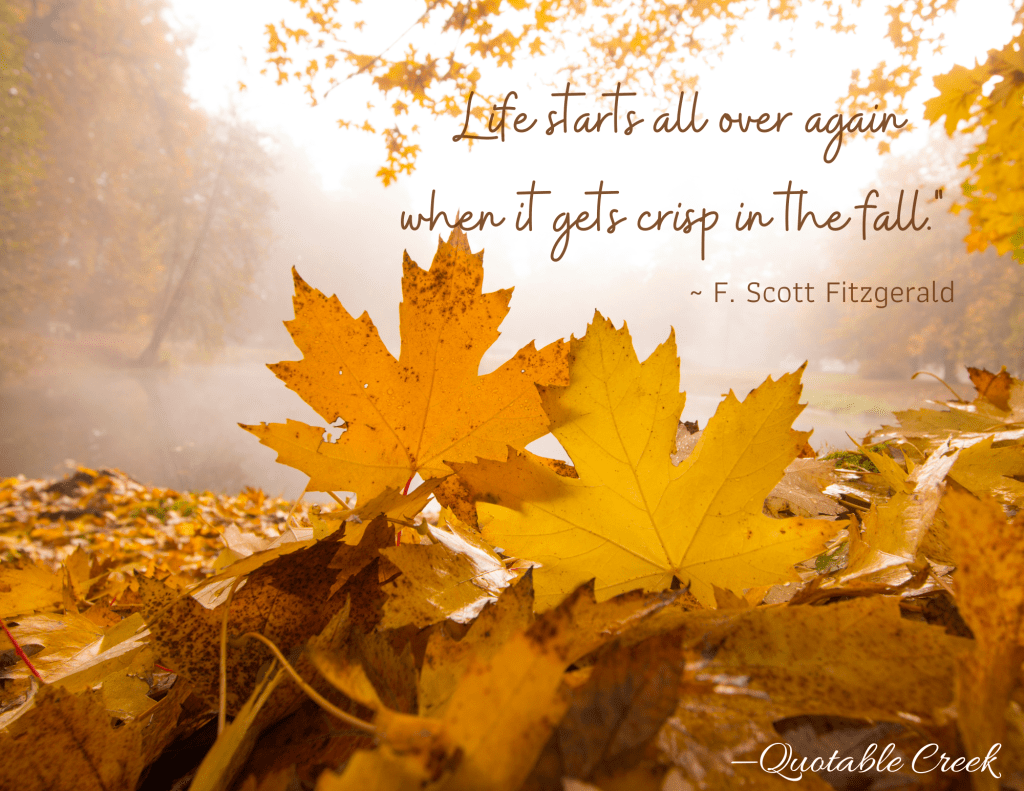
There is something glorious about a crisp October day. The crunch of leaves, the astonishing colors, the bite of a cold breeze. Something is changing, as old as time. Resting in order to be reborn again. Renewal is coming. But, for now, the dropping of leaves. The advancing cold of winter. A time to rest.
Enjoy this Mary Oliver poem on this last day of October.
“In one of John Muir Laws’s books, I read something profound that changed the way my brain thinks. “As you draw the bird,” he writes, “try to feel the life within it.” So now I look at the bird before me and imagine how it senses the world, how it feels breathing cold air, how it feels to have its feathers ruffling in the wind, how it feels to always have an eye out for possible food and possible predators. The bird sees me and is a nanosecond from flying off, but it stays. Why? By imagining the life within, the bird I am drawing is alive, no longer a shape and its parts, but a thinking, sentient being, always on the brink of doing something. By feeling the life within, I am always conscious that all creatures have personalities, and so do trees and clouds and streams. To feel the life within, I now imagine myself as the bird that is looking at me. I imagine its wariness, the many ways it has almost died in its short life. I worry over its comfort and safety, and whether I will see my little companion the next day, the next year. To feel the life within is to also feel grief in the goneness of a single creature or an entire species. Imagination is where compassion grows. Let us join with children to imagine and wonder, to use curiosity as the guide to miracles in plain sight. Let us enter with them into wild wonder so that we become guardians together of all that is living and all that must be saved.”
From Orion Magazine, “The Life Within”.
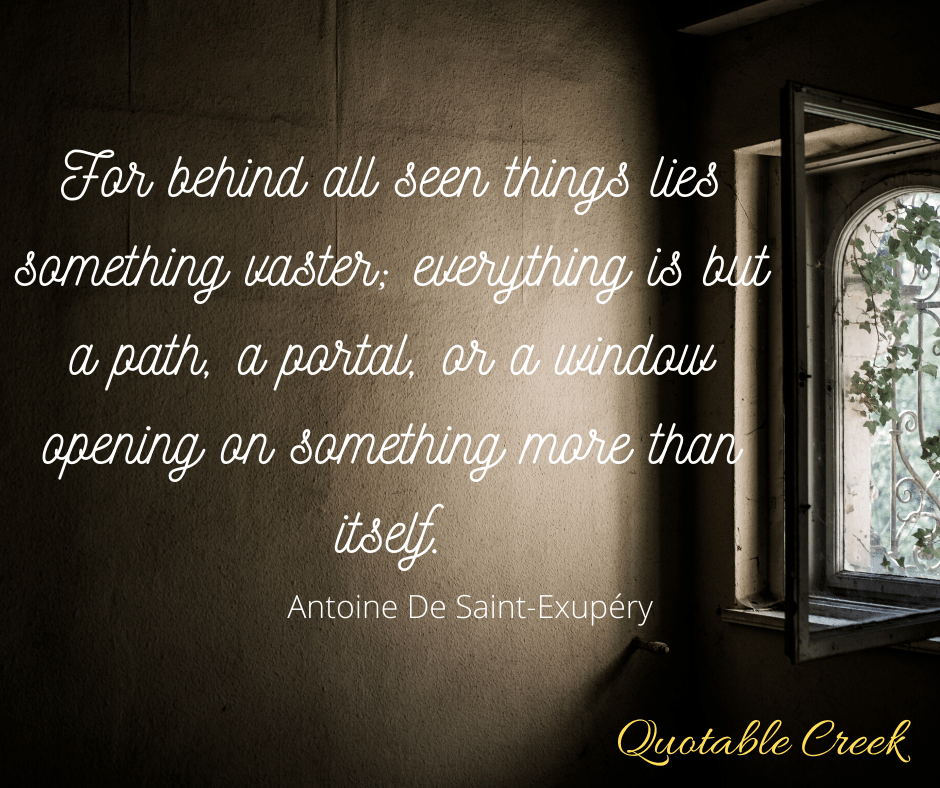
I wonder if we can look at each other that way, as something vaster, as thinking sentient beings with worlds of experience, some harsh. Would that help us to treat each other better? In her book, Dead Man Walking, Sister Helen Prejean describes just this sort of thing as she works with a death row inmate, a man who admittedly committed a heinous act, seeing not just the man but also, though covered with tattoos and bathed in bravado, the little wounded child within. That empathy allowed her to see past the crimes to the human and to feel compassion for him.
Perhaps today we can look with new eyes to see each other as a composite of good and bad, but each fully human and fully deserving of respect and compassion. To paraphrase Amy Tan above, when we consider the person, can we try to picture the life within, the challenges and struggles, hopes and triumphs? Can we become, together, ‘guardians of all that is living and must be saved’ in a place where ‘compassion grows’?
I learned a new word recently, or perhaps, more accurately, a new application of a word I had thought of as a verb.
Glimmer.
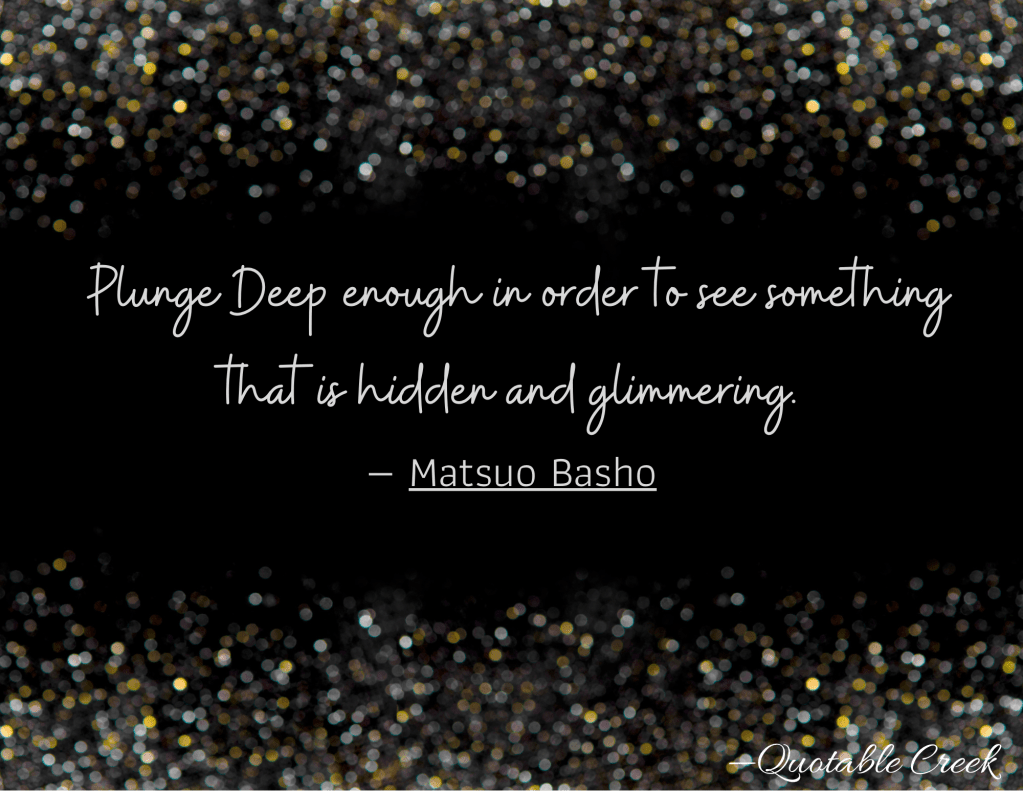
It’s the opposite of a trigger. A trigger may set off negative reactions or memories in your brain and cause you stress, but a glimmer is a moment in time that brings you joy, happiness, peace, or gratitude. A glimpse of something deep and profound perhaps, an opening of the curtain or peek behind the veil.
For me, glimmers include the crunch of autumn leaves, toddler laughs, cloudy days, pausing and noticing the intricacies of city planning. The list goes on and on, but the important thing is we can train ourselves to look for glimmers, not to let them pass unnoticed.
And they will be everywhere. Reminding you that you are part of something bigger and mysterious.
I’ve been watching Lessons in Chemistry, based on a wonderful book. One part stood out for me last night. A dog character, Six Thirty, remembers why his person, Calvin, said he loves running. Calvin said even when it is hard or you don’t think you can go on anymore, you just keep putting one foot in front of the other.
“One foot. One foot. And then sure enough, you’ll be home.”.
Isn’t that profound? In this life, we keep putting one foot in front of the other, until we’re home.
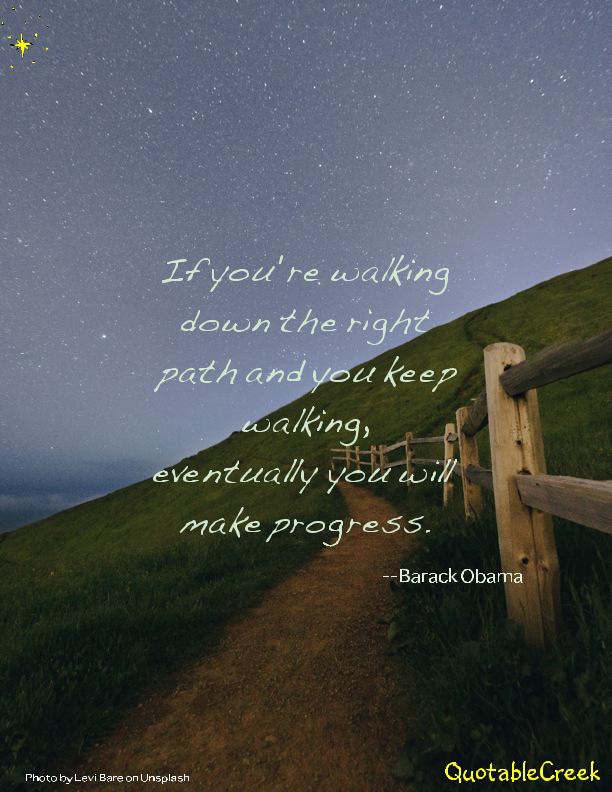
Slow and steady wins the race. We get discouraged and stop, or chase after another enticing goal, or turn back. But, if we stay true, we will make progress. One foot, one foot.
Remember the tortoise and the hare? They had a rematch recently:
Sometimes turning off the news is the best form of mental health protection.
But then we remember. In times of darkness, there are always those working to light a path, helping, fighting for the common good, making progress.
And maybe we, too, can help.
Maybe not in large, brokering peace kind of ways. But in small ways that, combined together with the small ways of many, many others, may help to right a wrong or turn a tide.
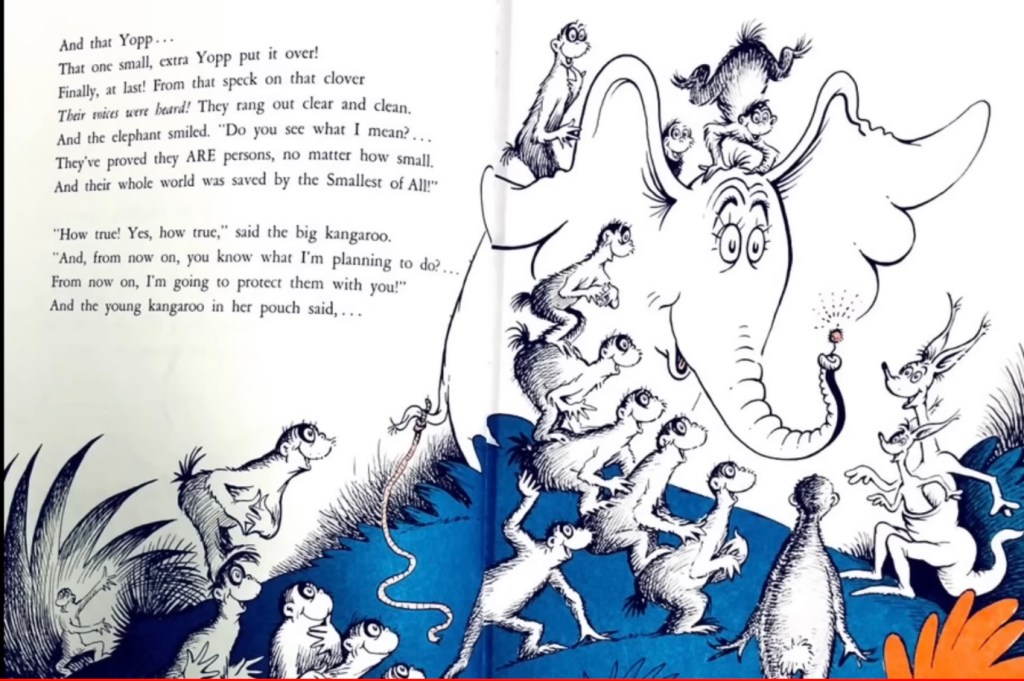
I think of Horton Hears a Who by Dr. Seuss, everyone shouting and banging on pots to be heard, but it is the final Yopp of a child that turns the tide, saving their world.
Hindsight often can give context and meaning to our struggles, perhaps no more than when we realize that our lowest times have helped someone else hold on. Some comfort, that.
And maybe, even when we don’t have the benefit of that hindsight, we can believe there is purpose and meaning in our difficulties even if we never do know it. Isn’t that the foundation of faith, that things will work together for good in a big picture way if not perhaps in the personal way? And isn’t that what can give us courage and strength to do our best, to hold on, and to persevere?
As Rainer Maria Rilke said:
Among lonely people there is not a single one who can be sure that in his suffering he might not yet console someone else and that the gestures of his most personal helplessness, like so many cues and signals, might not serve as signs guiding the way in the realm of the unfathomable.
The Poet’s Guide to Life: The Wisdom of Rilke by Rainer Maria Rilke.
The world is a complicated, interconnected place, and we are all in it together.
We tend to think of peace as the absence of violence as quiet is the absence of noise, but is it more? Perhaps peace is active. It exists in the kind word offered, the refusal to meet hate with hate, the comfort of following higher principles, the strength of the outstretched hand. It is so easy to lose, to slip into mirroring the hate and violence we see around us, to sit silent in front of a bully, to trade barbs, to slide down. Peace is active. We maintain it in our hearts and mind. We breathe deeply to draw us back to that peaceful place. We remember truth, honor, decency, compassion. We breathe in all that is good, we exhale the bad.
Author Shauna Niequist talks about the anxiety we are all experiencing now and suggests breath prayer:
“Christians have been practicing breath prayer since at least the sixth century & there are lots of ways to do it. One way that’s been helping me lately: choose one word to pray as you inhale–what you’re asking God to bring into your life/body/spirit/world, and one word to exhale–what you’re asking God to carry for you, so that you can release it as you breathe out.
Inhale healing/exhale fear.
Inhale peace/exhale anxiety.
Inhale hope/exhale despair.
Inhale hope/exhale chaos.”
As you move forward into your day, remember to take deep breaths, center yourself, and carry on.
How do we read the news and not get overwhelmed or angry, disconnected or depressed? How do we keep showing up with compassion and grace in a world where there is so much hate? How do we keep ourselves on the right path through the midst of it all? How do we continue to show up from a place of compassion, forgiveness, and grace? how do we keep our hearts from growing hard?
In this thoughtful letter, Rabbi Yael Levy shares his insights on how to pray with the news:
The 17th of the Hebrew month Tammuz initiates a three-week period of mourning that leads to Tisha b’Av, which is the day that marks the destruction of the Temples in Jerusalem in 586 BCE and 70 CE.
Tradition teaches that the Temple was destroyed because hatred became the operating principle in the community. The scorn, contempt and disdain that characterized daily interactions caused the Divine Presence to flee and leave the Temple vulnerable to attack.
These next three weeks ask us to reflect on the hatred that we allow to take root in our hearts. The wisdom of the tradition acknowledges that hatred can sometimes feel energizing and “so right,” but allowing it to fill our bodies and guide our actions leads to destruction.
Many years ago I was taught the practice of praying with the news. I have shared it over the years and always find myself returning to it during this season.
In this practice, each time we read or listen to a news report that enrages us, we turn our attention to those harmed by what is happening and pray for their healing and well-being. Doing so encourages us to acknowledge feelings of anger, grief and despair, and at the same time it turns our attention toward connection and compassion. Praying with the news can help us learn to bear witness to devastation and mayhem, while keeping our hearts soft, our minds calm, and our actions clear.
I am struggling mightily with this practice these days in the wake of continued violence and oppression in this country and throughout the world. Hatred can sometimes feel like such a welcome harbor. Not only does it feel so right, it can also act as a shield, creating the illusion that I don’t have to acknowledge the grief and heartbreak I am experiencing.
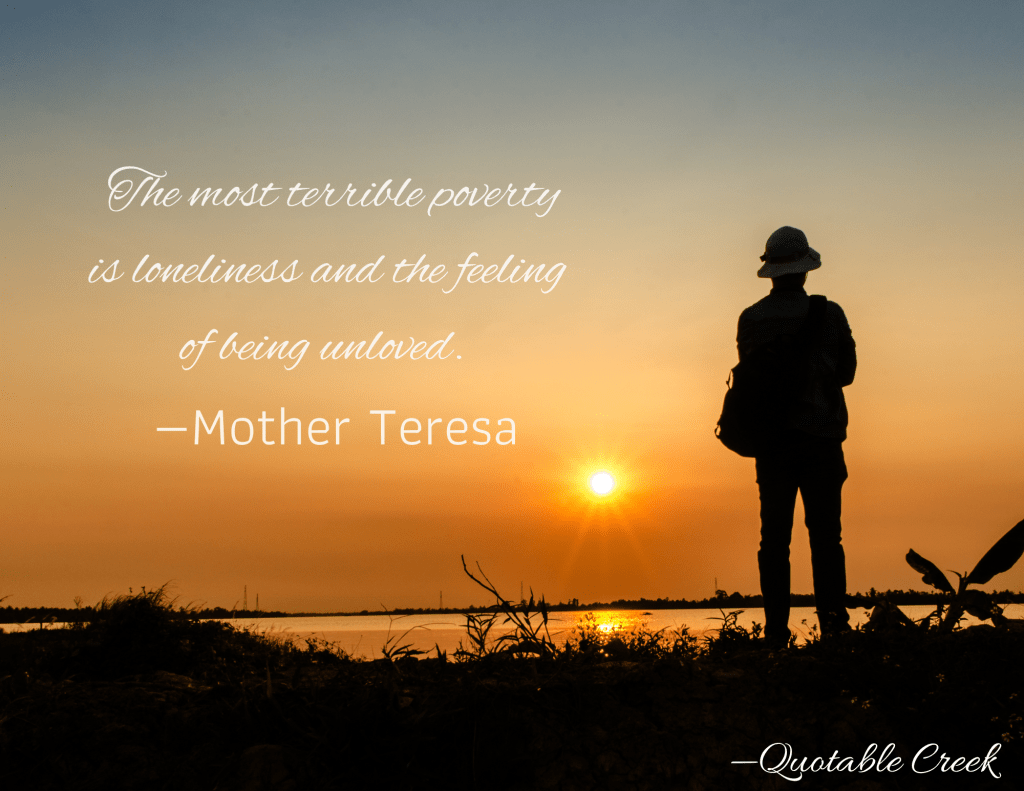
I need practices to help quiet the rage and fear, to loosen the constriction of hatred and to help me be with overwhelming grief. I need practices to help me return to compassion, love, joy and possibility. I find praying with the news both painful and helpful. It keeps me connected, allows sorrow, and grounds me in care and love.
What can take us out of our gloom and melancholy? Sometimes the veil is pulled back and we can glimpse a larger picture, a connection between all things, an appreciation for the here and now, and we are grateful.
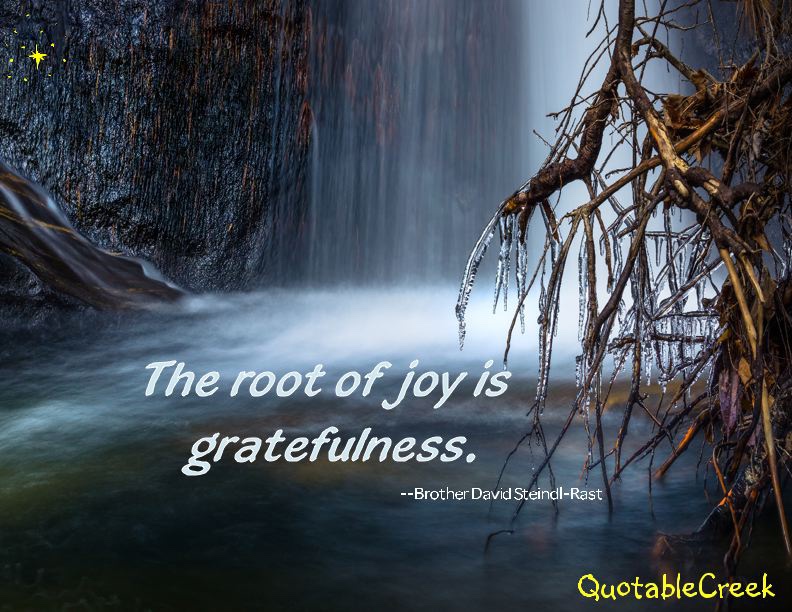
Brother David Steindl-Rast explains how these jolts into a different reality can change a day, and, perhaps, even a world:
My vision of the world? My hope for the future? This topic sounds a bit big. Allow me to start small—say, with crows. They are my special friends. Just as I am writing these lines, one of them, the shy one among my three regular guests, is gobbling up the Kitty Fritters I put out for them. This brings to mind a short poem by Robert Frost that might provide a stepping-stone for our deliberations about world-vision and hope for the future—if any.
The way a crow Shook down on me The dust of snow From a hemlock tree Has given my heart A change of mood And saved some part Of a day I had rued.
Surely you will remember a similar experience of your own: some quirky little incident made you smile, changed your mood, and suddenly the world looked brighter. If this ever happened to you, the key for understanding a causal chain of great consequence is in your hand: any change in attitude changes the way one sees the world, and this in turn changes the way one acts. When Robert Frost claims that the crow’s little trick “saved” part of a day he had rued, or of which he repented, he means this in the full sense of a redeeming change of heart. When he got home, I’m sure he greeted Mrs. Frost in a better mood than he would have been able to do without the crow’s nudge. And there is no telling what this did to her—and to the way she treated the dog afterwards, or talked more kindly to her neighbor.
He continues to suggest five small, easily adopted ways to bring this gratitude into your life and, consequently, into the world:
1. Say one word today that will give a fearful person courage.
All gratitude expresses trust. Suspicion will not even recognize a gift as gift: who can prove that it isn’t a lure, a bribe, a trap? Gratefulness has the courage to trust and so overcomes fear. The very air has been electrified by fearfulness these days, a fearfulness fostered and manipulated by politicians and the media. There lies our greatest danger: fear perpetuates violence. Mobilize the courage of your heart. Say one word today that will give a fearful person courage.
2. Make a firm resolution never to repeat stories and rumors that spread fear.
Because gratitude expresses courage, it spreads calm. Calm of this kind is quite compatible with deep emotions. In fact, mass hysteria fostered by the media betrays a morbid curiosity rather than deep feeling—superficial agitation rather than a deep current of compassion. The truly compassionate ones are calm and strong. Make a firm resolution never to repeat stories and rumors that spread fear. From the stillness of your heart’s core reach out. Be calm and spread calm.
3. Make contact with people whom you normally ignore
When you are grateful, your heart is open—open towards others, open for surprise. When disasters hit we often see remarkable examples of this openness: strangers helping strangers sometimes in heroic ways. Others turn away, isolate themselves, dare even less than at other times to look at each other. Violence begins with isolation. Break this pattern. Make contact with people whom you normally ignore—eye-contact at least—with the cashier at the supermarket, someone on the elevator, a beggar. Look a stranger in the eyes today and realize that there are no strangers.
4. Give someone an unexpected smile today
You can feel either grateful or alienated, but never both at the same time. Gratefulness drives out alienation; there is not room for both in the same heart. When you are grateful you know that you belong to a network of give-and-take and you say “yes” to that belonging. This “yes” is the essence of love. You need no words to express it; a smile will do to put your “yes” into action. Don’t let it matter to you whether or not the other one smiles back. Give someone an unexpected smile today and so contribute your share to peace on earth.
5. Listen to the news today and put at least one item to the test of Common Sense.
What your gratefulness does for yourself is as important as what it does for others. Gratefulness boosts your sense of belonging; your sense of belonging in turn boosts your Common Sense—not the conventional mind set which we often confuse with it. The common sense that springs from gratefulness is incompatible with a set mind. It is just another name for thinking wedded to cosmic intelligence. Your “yes” to belonging attunes you to the common concerns shared by all human beings—all beings for that matter. In a world we hold in common, nothing else makes sense but Common Sense. We have only one enemy: Our common enemy is violence. Common Sense tells us: we can stop violence only by stopping to act violently; war is no way to peace. Listen to the news today and put at least one item to the test of Common Sense.
The five steps I am suggesting here are small, but they work. It helps that they are small: anyone can take them. Imagine a country whose citizens—maybe even its leaders—are brave, calm, and open towards each other; a country whose people realize that all human beings belong together as one family and must act accordingly; a country guided by Common Sense. To the extent to which we show ourselves not hateful but grateful this becomes reality.
Who would have thought that a prankish crow shaking down snow from a hemlock tree could inspire this vision of a sane world? Well, if we leave it to the crows, there is still hope.
Small steps; big pay-off. And, to remember, keep your eyes open for the birds. They are there, singing songs of hope.
What is the formula for a happy life? What are the variables? How do things like gratitude and expectations factor in?
In his essay, The Structure of Gratitude, David Brooks says:
I’m sometimes grumpier when I stay at a nice hotel. I have certain expectations about the service that’s going to be provided. I get impatient if I have to crawl around looking for a power outlet, if the shower controls are unfathomable, if the place considers itself too fancy to put a coffee machine in each room. I’m sometimes happier at a budget motel, where my expectations are lower, and where a functioning iron is a bonus and the waffle maker in the breakfast area is a treat.
Included in, The Way of Gratitude, Readings for a Joyful Life.
He concludes that “Gratitude happens when some kindness exceeds expectations, when it is undeserved.” So, maybe as a formula it would look like “If kindness>expectations= gratitude.” So are our expectations the linchpin variable. To be happy and grateful, we should keep our expectations low? Or is there more to it?
He notes that there are some people who are ‘dispositionally’ grateful:
These people may have big ambitions, but they have preserved small anticipations. As most people get on in life and earn more status, they often get used to more respect and nicer treatment. But people with dispositional gratitude take nothing for granted. They take a beginner’s thrill at a word of praise, at another’s good performance or at each sunny day. These people are present-minded and hyper-responsive. This kind of dispositional gratitude is worth dissecting because it induces a mentality that stands in counterbalance to the mainstream threads of our culture. We live in a capitalist meritocracy. This meritocracy encourages people to be self-sufficient–masters of their own fate. But people with dispositional gratitude are hyperaware of their continual dependence on others. They treasure the way they have been fashioned by parents, friends and ancestors who were in some ways their superiors. They’re glad the ideal of individual autonomy is an illusion.
Included in, The Way of Gratitude, Readings for a Joyful Life
What a powerful way to look at things. In a very real sense, people with dispositional gratitude are able to see behind the veil into a truer, richer reality, full of wonder and generosity beyond anything any one of us deserves or merits. They are witnesses to the abundance we all share but few notice. Any one of us is capable of dropping our expectations and stepping into a magical world full of abundance if only we have the eyes to see.





 QuotableCreek.com