They will know us by our love.
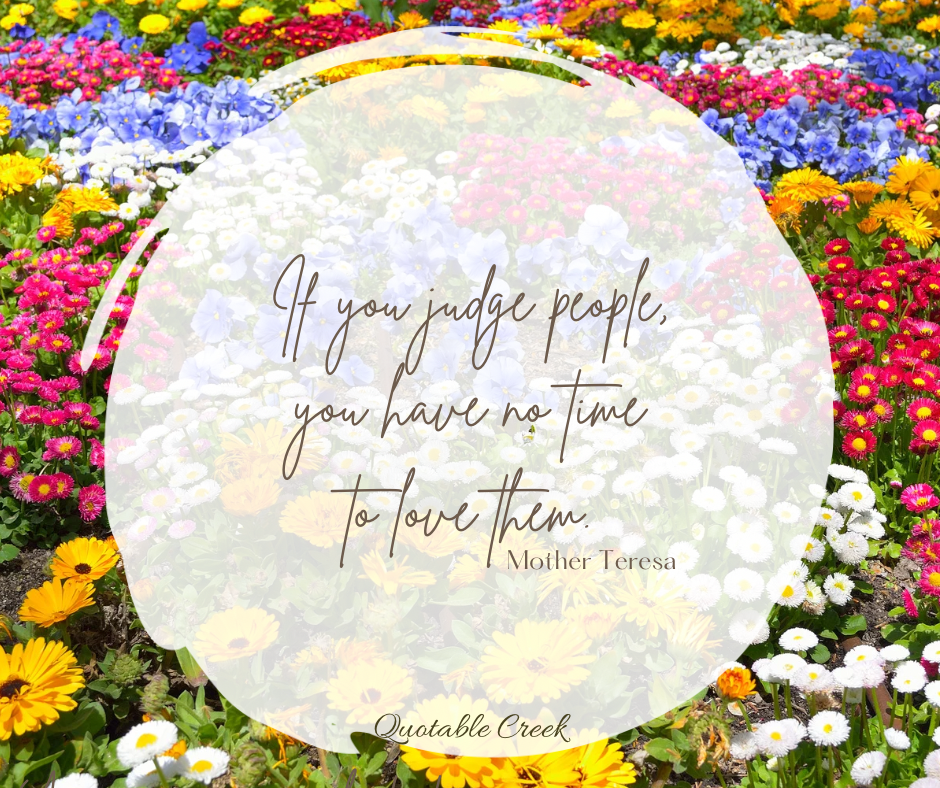
How much time do we spend deciding who’s in and who’s out, who’s worthy of our time and attention and who deserves disdain, who’s righteous and who’s a sinner? How do these exercises in circling some people in or out affect our own spirits?

Do we rise and fall in our own estimation by comparison with whom we have excluded from worthiness?

What if life just wasn’t that complex? What if Jesus was telling the truth when he said the greatest law was to love, not just God, but also our neighbor as ourself? And that when we ask who is our neighbor, it includes everyone? What if the Golden Rule, treating others how we would like to be treated, a rule found in most religions of the world, was really a good blueprint for how to live and treat people?

How would that ‘What if’ analysis affect our day-to-day interactions, our social justice system, our philanthropy, our lives?

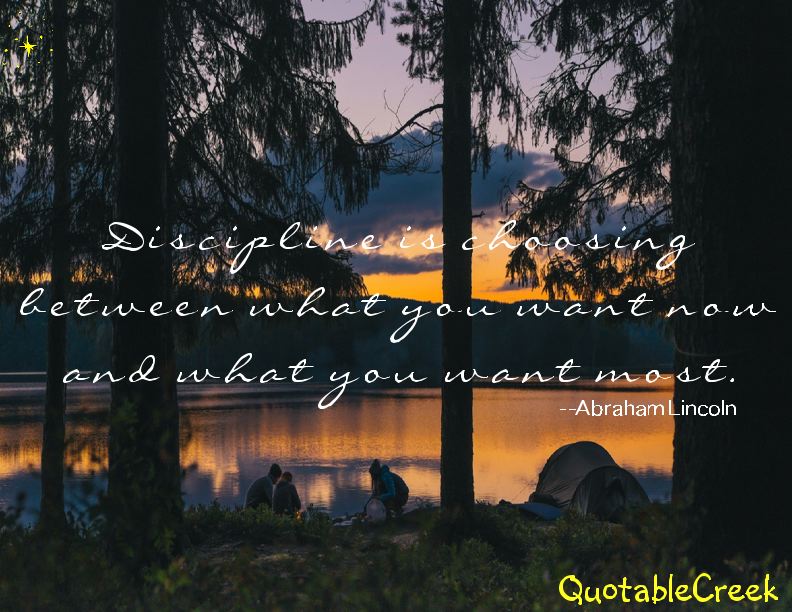
Abraham Lincoln had little patience for the practice of religion that didn’t result in kinder more compassionate people. He said, “I care not for a man’s religion whose dog and cat are not the better for it.”

If your religion isn’t making you kinder and more accepting, a more loving and open person, what is it accomplishing? Is it just a thought exercise in deciding who to circle in or out?
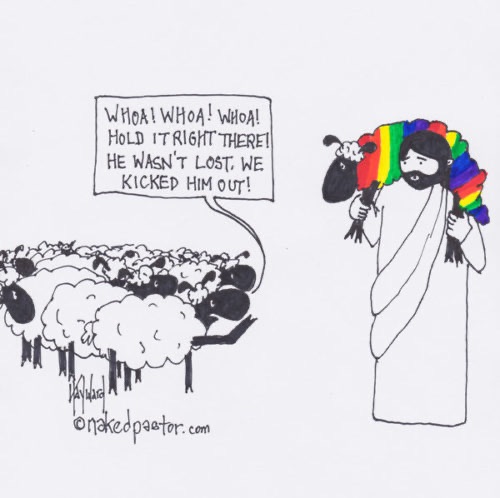
Will people know what you believe by the loving, compassionate way you treat people?

Or not?
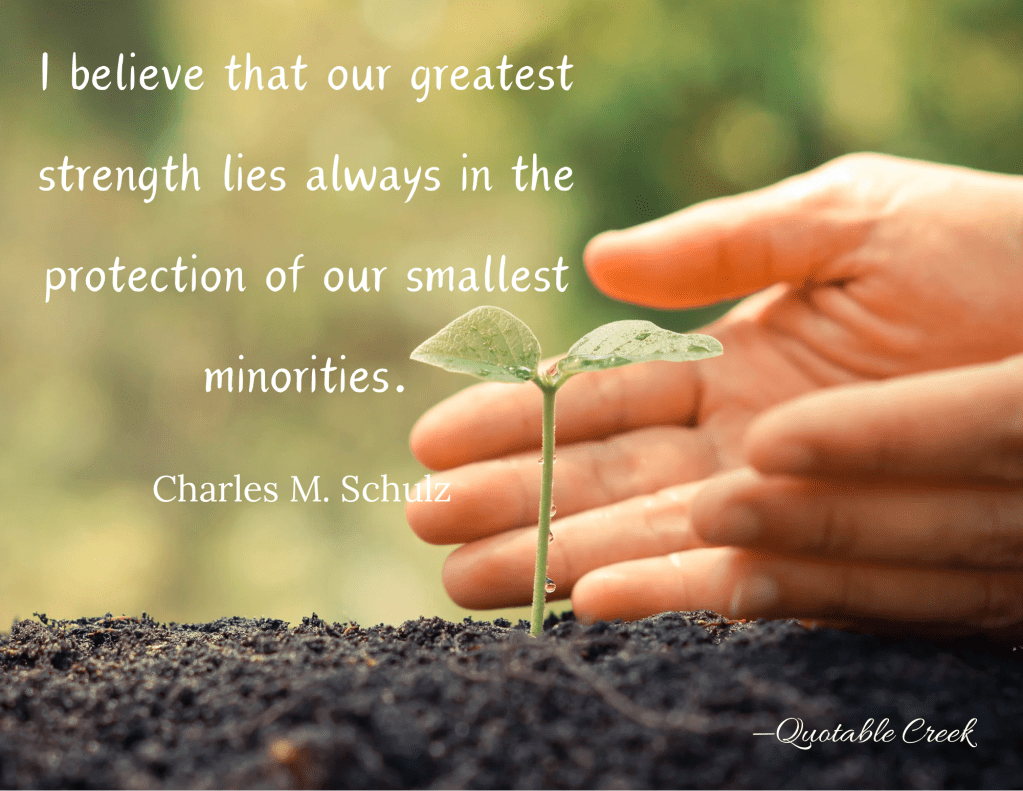
Our greatest strength.

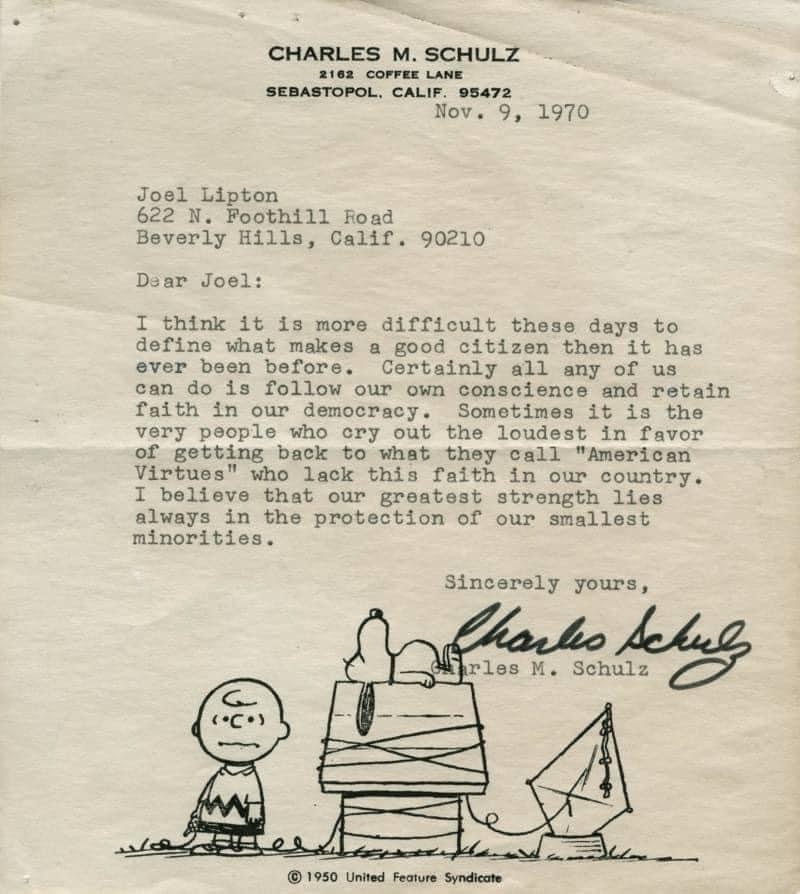
Imagine writing to one of your literary heroes and getting a serious letter back. Over 50 years ago, then fifth grader Joel Lipton wrote to Charles Schulz, the creator of the comic strip Peanuts, to ask him what made a good citizen.

And Schulz wrote back:

In 1970, students in a fifth-grade class at Hawthorne School in Beverly Hills were assigned to write a letter to someone they admired, asking them “What makes a good citizen?”

Joel Lipton, 10 years old at the time, wrote to Peanuts cartoonist Charles Schulz.

Fast-forward to this past February, when Lipton and his wife were cleaning out their closet. “And she pulled out a box and started going through some photos,” Lipton says today. “And between some old photos was this letter. I said, ‘Oh, wow, there’s the Charles Schulz letter!’”

Lipton remembers getting a response from the famed cartoonist, typed on official stationery from his Sebastopol studio, and hanging it on his bedroom wall with thumbtacks. But he was amazed when he re-read Schulz’s letter almost 50 years later, and realized how prescient it was.

https://www.kqed.org/arts/13852729/charles-schulzs-letter-about-democracy-discovered-50-years-later

Schulz’s words are no less powerful today as we come together to vote for our future in America, a country defined not by homogeneity of race or religion, but by common principles. Principles of equal justice under the law, of democracy, and of a government of the people, by the people, and for the people.

What do you want most?

discipline

For Lincoln, it wasn’t a choice between peace and war. It was a choice between war and a divided nation. Peace would not have solved the larger issue of whether slavery should be tolerated. If he had framed the issue as a choice between peace and war, the country might look quite different now. To make a difficult decision, you have to consider what you want most, the ultimate goal, and then consider what is necessary to get there. It may be a long road to reach that goal, but if you settle along the way, you may not ever get there.


SaveSave

Befriend away.

eaglefriend

It’s not particularly challenging to love people who look, act, and think just like us. The more we insulate ourselves within that group, the more we think in terms of us and them, in and out. We ‘other’ people. We see only the things we think divide us and gloss over all the commonalities.

What if we were to take a different approach?

What if we were to struggle to see from a different perspective? What if we were to build on common ground that exists between all people? What if we were to delight in our differences? What if we were to reach out our hands in kindness?

What then?