Time after time

I’m always a bit confounded by stories of time travel, easily lost in the logical fallacies and conundrums. But when you strip the mechanics away and just enter into a state of suspended disbelief that it might be possible, time travel stories are remarkably profound. To have a character with full knowledge of the present time be able to walk around and marvel at a prior time uncovers interesting juxtapositions, exposes similarities and differences, and allows you to evaluate your own time period afresh.

I just finished Time and Again by Jack Finney, which offers a time travel vehicle that allows his character to step back into a time before many of our modern problems—world wars, pollution, climate change—and enjoy a less jaundiced perspective. More important, though, the time travel opens his eyes to the humanity and complexity of the people, long dead now, walking around living and breathing in that present:

“In some ways, the sight of that ordinary man whom I never saw again is the most intensely felt experience of my life. There he sat, staring absently out the window, in an odd high-crowned black derby hat, a worn black short-length overcoat, his green-and-white striped shirt collarless and fastened at the neck with a brass stud; a man of about sixty, clean-shaven.

I know it sounds absurd, but the color of the man’s face, just across the tiny aisle, was fascinating: this was no motionless brown-and-white face in an ancient photograph. As I watched, the pink tongue touched the chapped lips, the eyes blinked, and just beyond him the background of brick and stone house slid past. I can see it yet, the face against the slow-moving background, and hear the unending hard rattle of the iron-tires wheels on packed snow and bare cobbles. It was the kind of face I’d studied in the old sepia photographs, but his hair, under the curling hat brim, was black streaked with gray; his eyes were sharp blue; his ears, nose, and freshly shaved chin were red from the winter chill; his lined forehead pale white. There was nothing remarkable about him; he looked tired, looked sad, looked bored. But he was alive and seemed healthy enough, still full-strength and vigorous, perhaps with years yet to live-and I turned to Kate, my mouth nearly touching her ear, to murmur, ‘When he was a boy, Andrew Jackson was president. He can remember a United States that was -Jesus- still mostly unexplored wilderness.’ There he sat, a living breathing man with those memories in his head, and I sat staring at the slight rising and falling of his chest in wonder.”

The premise for time travel in this book, for what it’s worth, is that the times are all existing at once, in the way a river exists even though, when you’re in it, you can’t see up past the bends ahead, or back to the parts you’ve already traveled. You merely step into a prior time period once you strip from your mind all the things tethering you to the present. Or, using a different metaphor, time is like transparencies in a book, each laid over the same foundational picture, but each distinct as well. You simply turn to the right page and step in.

The transparency metaphor reminds me of the art of Charles Peterson, the opaque areas reflect action of the present, but the wisps reflect prior generation that lived their lives fully in that spot in the past.
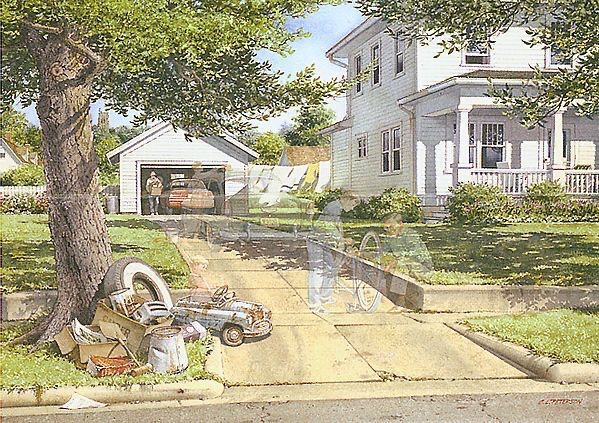
In many ways, we are time travel machines in our own right. We can look at history and reflect how we might have behaved in the same time and place had we those choices and circumstance. We can step out of our own present day group think now and consider how things may hold up with a longer view from the future looking back.

What is happening right now in front of us, that future generations might look back on fondly, or with horror? How can we bring those insights to bear to inform how we act right now?

Hold on.

Is your life all ups, no downs? Do you ever feel a need to make it look like it is? Maybe to pretend the rough stuff doesn’t exist or put on a big smile to cover a broken heart? Do you ever feel like there must be something wrong with your faith if your life is going badly?

Truth is, bad things happen. To the best, most faithful of people. Life’s struggles can feel overwhelming. You can get to the point where you simply cannot see how someone could think and feel the way they do. You can lose hope.

At times like these you need to breathe deep and get yourself to a quiet place. And it sure would do no harm, and maybe a whole lot of good, to read a poem like this:

The Peace of Wild Things

by Wendell Barry

When despair for the world grows in me

and I wake in the night at the least sound

in fear of what my life and my children’s lives may be,

I go and lie down where the wood drake

rests in his beauty on the water, and the great heron feeds. 

I come into the peace of wild things who do not tax their lives with forethought of grief. 

I come into the presence of still water.

And I feel above me the day-blind stars waiting with their light. 

For a time I rest in the grace of the world, and am free.

And the good news is, you can read this poem, and your soul will calm without even being in that place where the wood drake rests in his beauty on the water. The words of a good poem are like magic. They can heal you and still the churning waters of your soul. And they can help you remember the ‘day-blind stars waiting with their light’, because, yes, we cannot see the stars in the daytime, but they are there. Shining.

May you rest in the grace of the world and find peace.

Empathy for the win.

Nothing is more important than empathy
for another human being’s suffering.
Not a career.
Not wealth.
Not intelligence.
Certainly not status.
We have to feel for one another
if we’re going to survive
with dignity.

~Audrey Hepburn

Studies show empathy, the ability to put yourself in another person’s shoes and consider their point of view, might be on the decline in the United States. With a lack of empathy comes the possibility of othering, cruelty, and self-absorption.

What can we do to increase our empathy for others?

Consider this novel idea: empathy walks. Literally mirroring someone’s walk, not in a stalkery or critical way, but as a silent practice in visualizing what it must be like to be that person. Consider this example:

It all started on one of my regular walks into town. I was head-down, in a hurry, when I noticed an older woman ahead of me. She was walking slowly—agonizingly slowly, if I’m being honest—and my first instinct was annoyance. But then I thought about the old acting school exercise. What if, instead of speeding up to dodge her, I matched her pace? So, I slowed down, mimicking her small, deliberate steps, the way she slightly leaned to one side, her arms swaying as if carrying invisible weights.

And then it hit me: empathy. Not the mushy, Hallmark-card kind, but a physical understanding of what it might feel like to be her. As I moved like her, my irritation evaporated. I didn’t just see her; I felt her. I thought about the phrase “walk a mile in someone else’s shoes,” and realized it’s not the shoes that matter; it’s the walk….

So, the next time you’re out walking, try it. Pick someone ahead of you and mimic their stride. Notice where they’re tight, where they’re loose, how they carry themselves. Let their tension teach you about your own. Let their walk reshape yours. And maybe, just maybe, you’ll feel a little less separate and a little more connected—to them, to yourself, and to this messy, beautiful, shared experience we call being human.

The Value of an Empathy Walk by Maggie Rowe

We are all different, with different joys and burdens, challenges and delights. We each bring a different package of strengths and weaknesses to any situation. As we begin to appreciate the different points of views and perspectives of those around us, our empathy grows, and with that, our own world expands.

Love is nearby.

Sometimes a good walk can change your perspective. Consider these words from Anne Lamott:

My husband said something a few years ago that I often quote: 80% of everything that is true and beautiful can be experienced in any ten minute walk. Even in the darkest and most devastating times, love is nearby if you know what to look for. It does not always appear at first to be lovely, but instead may take the form of a hot mess or a snoring old dog. Or someone you have sworn to never, ever forgive (for a possibly very good reason, if you ask me). But mixed in will also be familiar signs of love: wings, good-hearted people, cats (when they are in the right mood), a spray of wild flowers, a cup of tea. What are we even talking about when we talk of love? What is it?

On a ten minute walk anywhere…, love abounds and abides, flirts and weeps with us. It is there for the asking, which is the easy part. Our lives’ toughest work is in the receiving. Love presents most obviously in babies and kids being cuddled, yet also as patience with annoying humans we live or work with or are. We feel love upon seeing our favorite neighbors and first responders, we see it in fund-raising efforts, peace marches, kindergarten classrooms, gardens. When flowers don’t stir feeling of love in me, something is gumming up the works.

What at first unlovely things do you see around you that are really love? What evidence of love do you see on your walk? In your day? In your home?

Love is everywhere. We just sometimes need to make sure to notice.

Breathe in this new day.

Apparently, chaos is on the agenda. With breakneck speed, legal norms are being tossed aside, and guardrails appear missing. It’s hard not to be overwhelmed with concerns about our future.

What to do?

When we lose our way or feel overwhelmed, we can return to nature and be renewed. Hear the birds singing. Feel the cool breeze. See the long grass ripple in a gentle wind like ocean waves. Breathe in the sweet earthy fragrance of the morning. Feel small and surrounded by an amazing, complicated system that has been pulsating with life for millions of years. That awe is good for us:

It has long been established that a healthy diet and lots of sleep and exercise bolster the body’s defenses against physical and mental illnesses. But the new study, whose findings were recently published in the journal Emotion, is one of the first to look at the role of positive emotions in that arsenal.

That awe, wonder, and beauty promote healthier levels of cytokines suggests that the things we do to experience these emotions—a walk in nature, losing oneself in music, beholding art—has a direct influence upon health and life expectancy,” says UC Berkeley psychologist Dacher Keltner, a coauthor of the study.

Breathe in the day, full of life and possibility. Breathe out the stress, the worry, the defeat.

In.

Out.

In.

Out.

In.

And for a more guided practice consider adding these words to your breath, suggested by my former pastor John Foster:

Be still my soul and steadfast.

No one knows what tomorrow will bring, and that can be frightening. We are in a volatile time. It helps to keep our attention on the present and what we can do here and now.

The great poets help calm our souls. Take comfort today from these tender words from Mary Oliver:

Be still, my soul, and steadfast.
Earth and heaven both are still watching
though time is draining from the clock
and your walk, that was confident and quick,
has become slow.

So, be slow if you must, but let
the heart still play its true part.
Love still as once you loved, deeply
and without patience. Let God and the world
know you are grateful. That the gift has been given.


+ Mary Oliver

We do not know what tomorrow brings, but we will approach it with full souls, grateful and loving, ready to meet the day with a steadfast heart.

Listening to our souls.

Are these the times that try people’s souls? What does it mean to have your soul tried anyway?

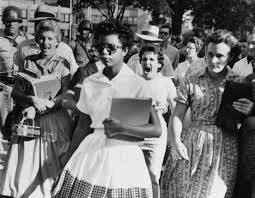
I’ve been thinking about this picture:

Those faces, contorted in rage, caught for history. This picture, reflecting a military presence during school desegregation, anticipating, presumably, a violent reaction from the mob, freezes a moment in history. I wonder how those women feel looking back on it. Would they be ashamed to have been part of a mob hurling epithets at this young woman? Would they feel contrition?

That period in history was certainly turbulent. Fraught with animosity directed at those seeking an education, because of the color of their skins, the women in the crowd wear their anger and hate openly in their faces.

We too are in turbulent times. Whole industries are churning out content intended to divide us, to make us hate others like the women in this picture? We are fed misinformation and disinformation designed to further these divides. Presumably the motive for this hate industry is profit, but at what expense? Will this hate-filled rhetoric cost souls?

It will certainly try them, and it is our job to protect our souls. To listen deep to the wisdom that seeks love and peace, harmony and cooperation. To deplug from the constant rhetoric of othering and hate.

It’s a loud angry world. Hush and listen to the harmony of your soul.

Enjoy the journey.

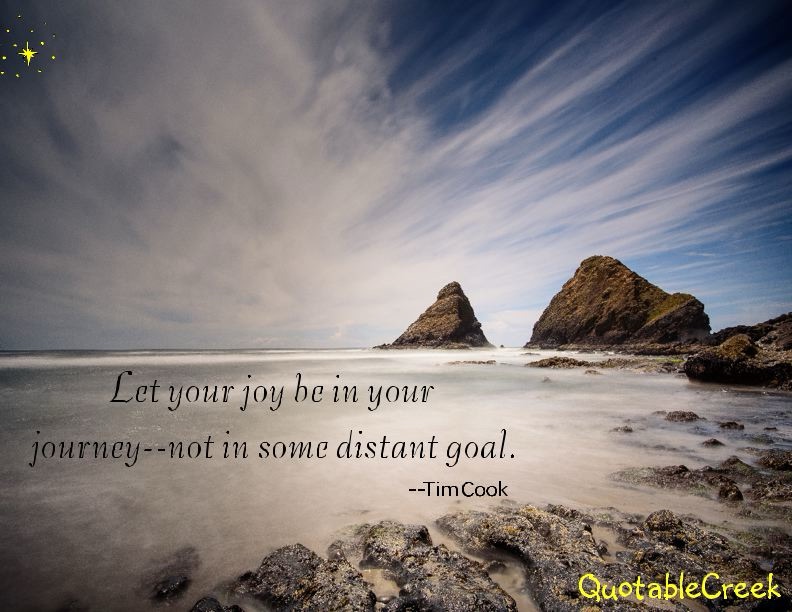
Sometimes our eyes and hearts are focussed so far in the distance, that we fail to see what is right in front of us. The people we spend our days with, the beauty surrounding us, the opportunities we have to make a difference. When we zoom in to the detail, the richness of the particular moment can be astounding and surprising. What a beautiful, remarkable world we live in. So full of complexity. Each person we see is as full of contradictions and surprises as we are ourselves. Each living or created thing we see is so full of detail.

Long-term goals are great, but what a shame if we don’t appreciate each step along the way. We may work side by side with someone but barely know their name let alone what their hopes and dreams are. We may be so busy moving forward that we are blind to the heartache of even the people we live with. It is easy to speed through life with eyes averted like people descending in an elevator focussed only on the floor numbers.

Today take time today to enjoy the journey, the mysteries unfolding all around you, the people who share your path, and all the beautiful and startling things right here, right now.

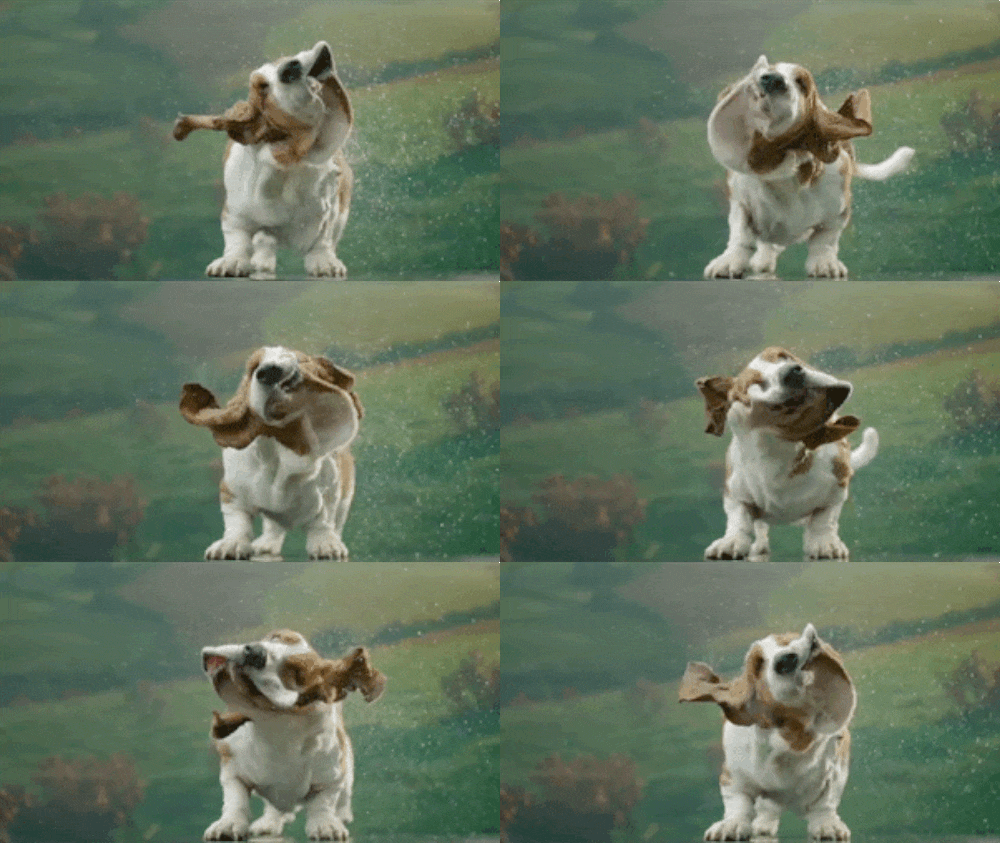
Like, for example, who can not stop and be amazed at this little beagle shaking its jowls, its great ears flopping to the beat, its sturdy paws holding on in front but shifting with its wagging tail in back, the gorgeous landscape behind it? What a fascinating little miracle, right here. Just this.

Little miracle of the day.

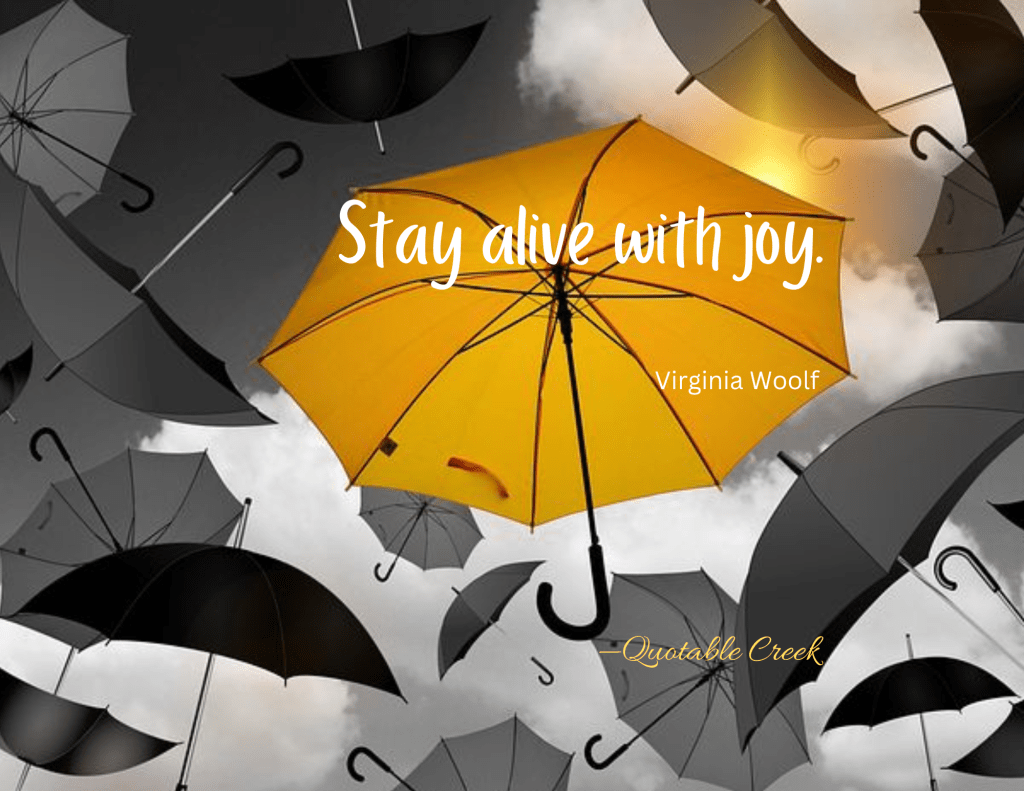
Staying alive with joy.

How do we make sure we aren’t just staying alive but staying vibrant? Making our moments count? Making an impact and difference in the lives of those we care about? Making our lives matter?

Consider Virginia Woolf’s words:

Whatever happens, stay alive. Don’t die before you’re dead. Don’t lose yourself, don’t lose hope, don’t lose direction.

Stay alive, with yourself, with every cell of your body, with every fiber of your skin.

Stay alive, learn, study, think, read, build, invent, create, speak, write, dream, design.

Stay alive, stay alive inside you, stay alive also, outside, fill yourself with colors of the world, fill yourself with hope, with Wow Scenery.

Stay alive with joy.

There is only one thing you should not waste in life, and that’s life itself.

How do we become hard-hearted as we age, focused so much on ourselves and our own needs? How do we deaden ourselves to community and lives being lived around us, turning inward and reclusive, dying really to the fabric of life?

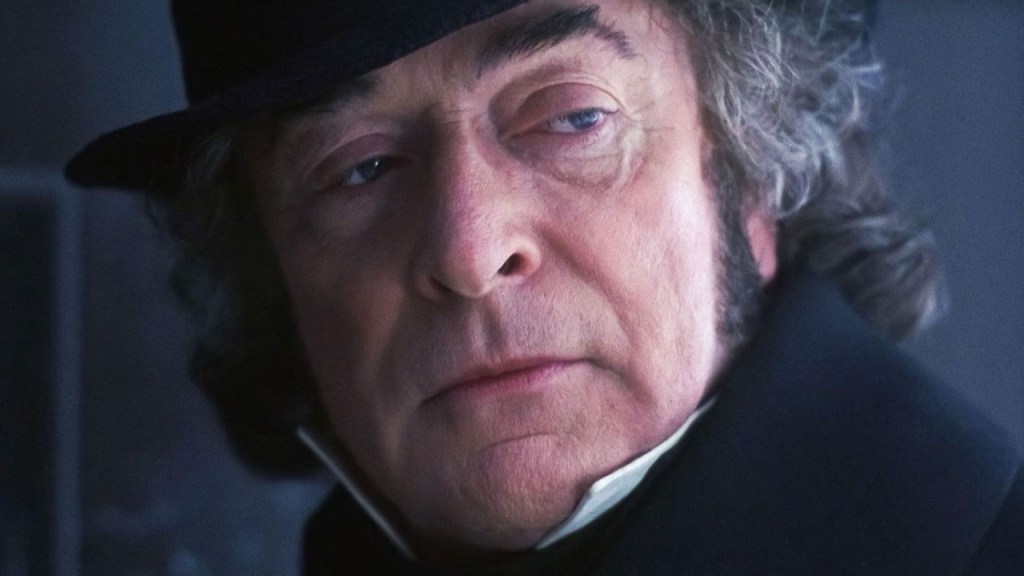
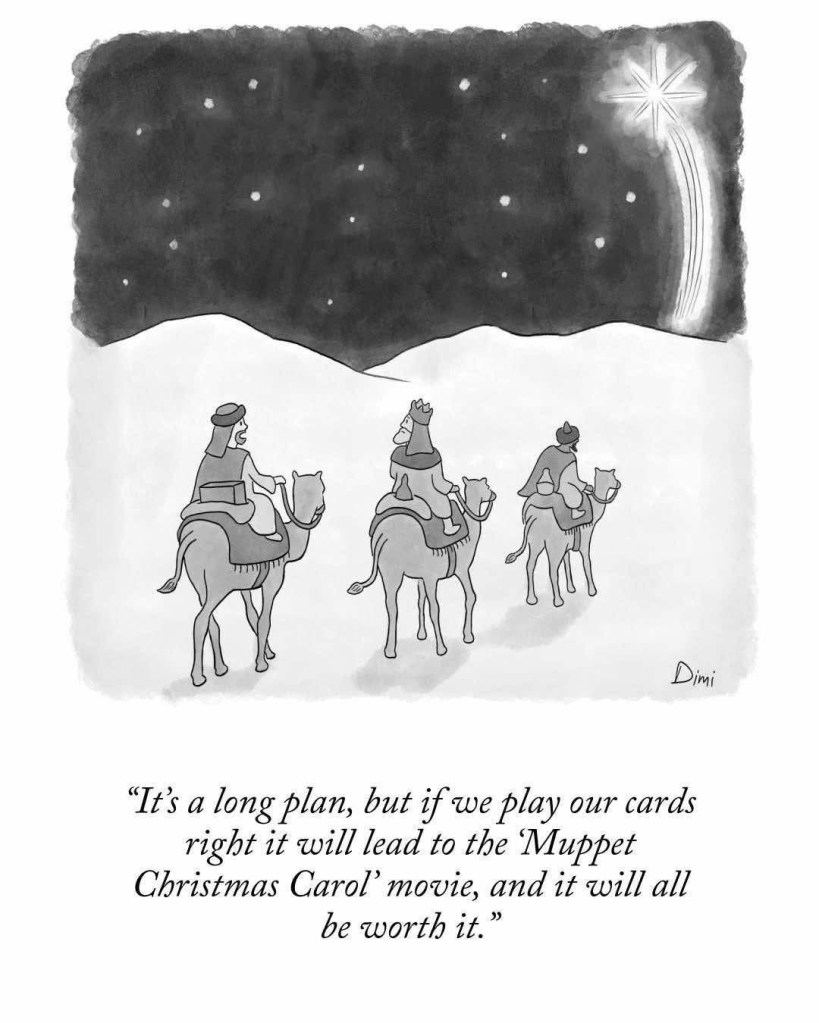
I just watched the muppet version of Christmas Carol which did a great job of capturing Charles Dickens’s classic story about the transformation of Ebenezer Scrooge, first his turning in, the selfishness, the greed, the callousness to those around him, his miserliness in spirit and deed.

But then, with the spirits’ intervention, Scrooge has an epiphany and realization that life is a looking out, a contributing, a generosity and an overflowing of joy. His life becomes filled with vibrancy and exuberance and a realization of the difference he can make in the here and now. At that moment, he becomes part of something larger than himself, alive with possibility and connection.

Each of us faces Scrooge’s dilemma. We may not be miserable misers, but perhaps we have turned in to focus on ourselves. Perhaps we’ve become callous to the suffering around us and blind to the good we can do. Perhaps we’ve lost the joy.

Scrooge’s story reminds us all that it isn’t too late to turn over a new leaf, to reach out to those around us, to wear our love and concern on our sleeves, to care. And by spreading joy, we find ourselves drenched in it as well.