How hard it is to lose someone you love. There is so much that seems unseen or unfelt without being shared together. So many visceral, tangible reminders of your loss are everywhere. Sounds, smells, songs, times of day, stories, jokes, and so on. Everywhere you look. There’s no escaping the weight of the loss really.
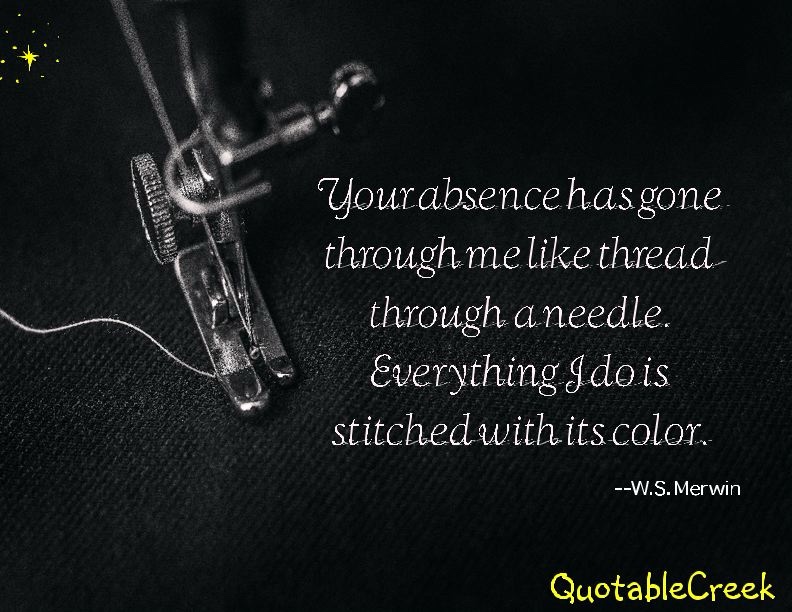
The only thing that makes it bearable is to consider it not loss, but a gift. Moments shared colored your life and made it brighter and more nuanced. The threads of memories you shared become woven together with threads from all the people you’ve loved and become the tapestry that is your life. And that ever-presence becomes not a stab, but a comfort.
e.e. cummings captured it well:
i carry your heart with me(i carry it in
my heart)i am never without it(anywhere
i go you go,my dear;and whatever is done
by only me is your doing,my darling)
i fear
no fate(for you are my fate,my sweet)i want
no world(for beautiful you are my world,my true)
and it’s you are whatever a moon has always meant
and whatever a sun will always sing is you
here is the deepest secret nobody knows
(here is the root of the root and the bud of the bud
and the sky of the sky of a tree called life;which grows
higher than soul can hope or mind can hide)
and this is the wonder that’s keeping the stars apart
i carry your heart(i carry it in my heart)
To all those we have loved and miss dearly, let us look back fondly, grateful for all the colors they brought into the tapestry of our lives, and repeat together:
The days before Christmas can be frantic. We sometimes find our tempers short, our tongues loose, and our wits frayed. We think of Christmas as something in the future, speeding toward us, that we need to hurry around and prepare for so that we can enjoy His coming. But a birthday, like Christmas, is a celebration of something that has already happened. And, in the case of Christmas, it is a celebration of a whole new world order that is here. We are His now, not just at Christmas. We need to shine with His love now and everyday. Particularly when the world is harried. We need to reflect the joy and peace that comes with knowing that love conquers all.
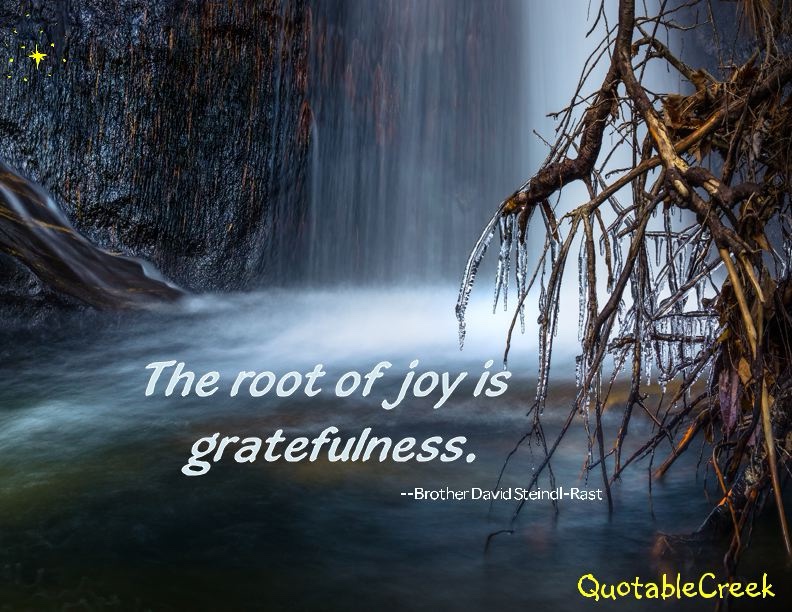
In honor of the holiday, what is a way we can open to gratitude? Sometimes the veil is pulled back, and we can glimpse a larger picture, a connection between all things, an appreciation for the here and now, and we are grateful.
Brother David Steindl-Rast explains how these jolts into a different reality can change a day, and, perhaps, even a world:
My vision of the world? My hope for the future? This topic sounds a bit big. Allow me to start small—say, with crows. They are my special friends. Just as I am writing these lines, one of them, the shy one among my three regular guests, is gobbling up the Kitty Fritters I put out for them. This brings to mind a short poem by Robert Frost that might provide a stepping-stone for our deliberations about world-vision and hope for the future—if any.
The way a crow Shook down on me The dust of snow From a hemlock tree Has given my heart A change of mood And saved some part Of a day I had rued.
Surely you will remember a similar experience of your own: some quirky little incident made you smile, changed your mood, and suddenly the world looked brighter. If this ever happened to you, the key for understanding a causal chain of great consequence is in your hand: any change in attitude changes the way one sees the world, and this in turn changes the way one acts. When Robert Frost claims that the crow’s little trick “saved” part of a day he had rued, or of which he repented, he means this in the full sense of a redeeming change of heart. When he got home, I’m sure he greeted Mrs. Frost in a better mood than he would have been able to do without the crow’s nudge. And there is no telling what this did to her—and to the way she treated the dog afterwards, or talked more kindly to her neighbor.
He continues to suggest five small, easily adopted ways to bring this gratitude into your life and, consequently, into the world:
1. Say one word today that will give a fearful person courage.
All gratitude expresses trust. Suspicion will not even recognize a gift as gift: who can prove that it isn’t a lure, a bribe, a trap? Gratefulness has the courage to trust and so overcomes fear. The very air has been electrified by fearfulness these days, a fearfulness fostered and manipulated by politicians and the media. There lies our greatest danger: fear perpetuates violence. Mobilize the courage of your heart. Say one word today that will give a fearful person courage.
2. Make a firm resolution never to repeat stories and rumors that spread fear.
Because gratitude expresses courage, it spreads calm. Calm of this kind is quite compatible with deep emotions. In fact, mass hysteria fostered by the media betrays a morbid curiosity rather than deep feeling—superficial agitation rather than a deep current of compassion. The truly compassionate ones are calm and strong. Make a firm resolution never to repeat stories and rumors that spread fear. From the stillness of your heart’s core reach out. Be calm and spread calm.
3. Make contact with people whom you normally ignore
When you are grateful, your heart is open—open towards others, open for surprise. When disasters hit we often see remarkable examples of this openness: strangers helping strangers sometimes in heroic ways. Others turn away, isolate themselves, dare even less than at other times to look at each other. Violence begins with isolation. Break this pattern. Make contact with people whom you normally ignore—eye-contact at least—with the cashier at the supermarket, someone on the elevator, a beggar. Look a stranger in the eyes today and realize that there are no strangers.
4. Give someone an unexpected smile today
You can feel either grateful or alienated, but never both at the same time. Gratefulness drives out alienation; there is not room for both in the same heart. When you are grateful you know that you belong to a network of give-and-take and you say “yes” to that belonging. This “yes” is the essence of love. You need no words to express it; a smile will do to put your “yes” into action. Don’t let it matter to you whether or not the other one smiles back. Give someone an unexpected smile today and so contribute your share to peace on earth.
5. Listen to the news today and put at least one item to the test of Common Sense.
What your gratefulness does for yourself is as important as what it does for others. Gratefulness boosts your sense of belonging; your sense of belonging in turn boosts your Common Sense—not the conventional mind set which we often confuse with it. The common sense that springs from gratefulness is incompatible with a set mind. It is just another name for thinking wedded to cosmic intelligence. Your “yes” to belonging attunes you to the common concerns shared by all human beings—all beings for that matter. In a world we hold in common, nothing else makes sense but Common Sense. We have only one enemy: Our common enemy is violence. Common Sense tells us: we can stop violence only by stopping to act violently; war is no way to peace. Listen to the news today and put at least one item to the test of Common Sense.
The five steps I am suggesting here are small, but they work. It helps that they are small: anyone can take them. Imagine a country whose citizens—maybe even its leaders—are brave, calm, and open towards each other; a country whose people realize that all human beings belong together as one family and must act accordingly; a country guided by Common Sense. To the extent to which we show ourselves not hateful but grateful this becomes reality.
Who would have thought that a prankish crow shaking down snow from a hemlock tree could inspire this vision of a sane world? Well, if we leave it to the crows, there is still hope.
Small steps; big pay-off. And, to remember, keep your eyes open for the birds. They are there, singing songs of hope.
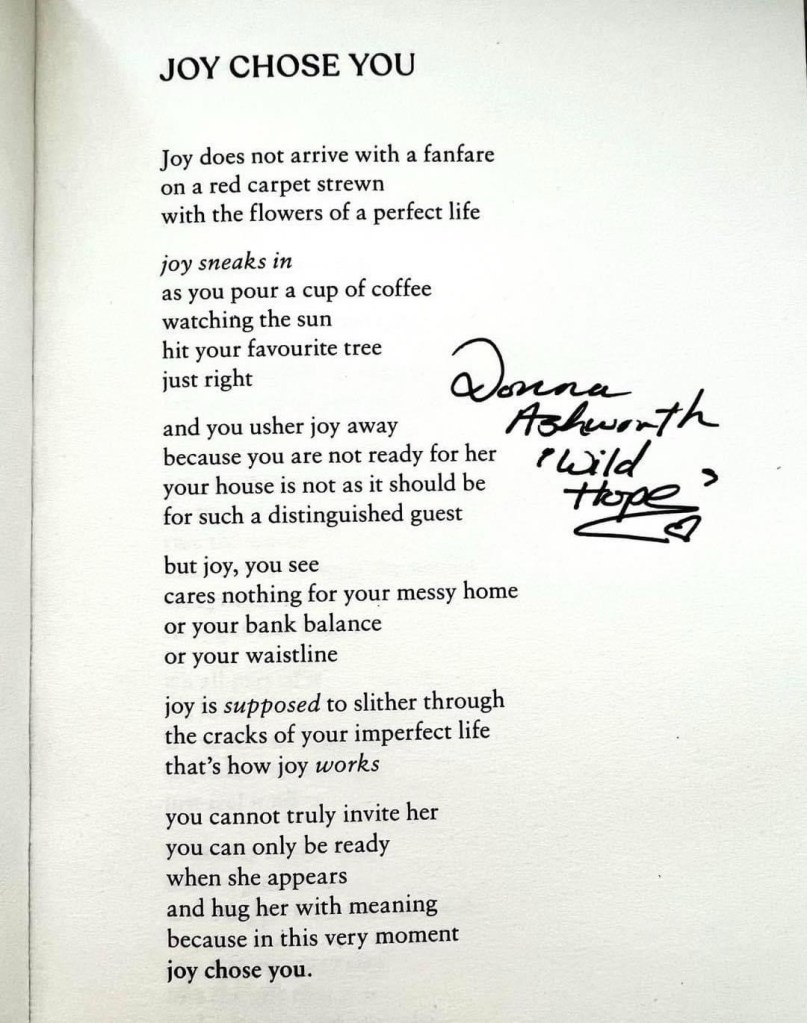
Today, may you find joy in all the little moments. In the solitude and in the bustle. In the labor and in the rest. May that joy bring you peace and connection on this imperfect day in your imperfect life. May joy choose you.
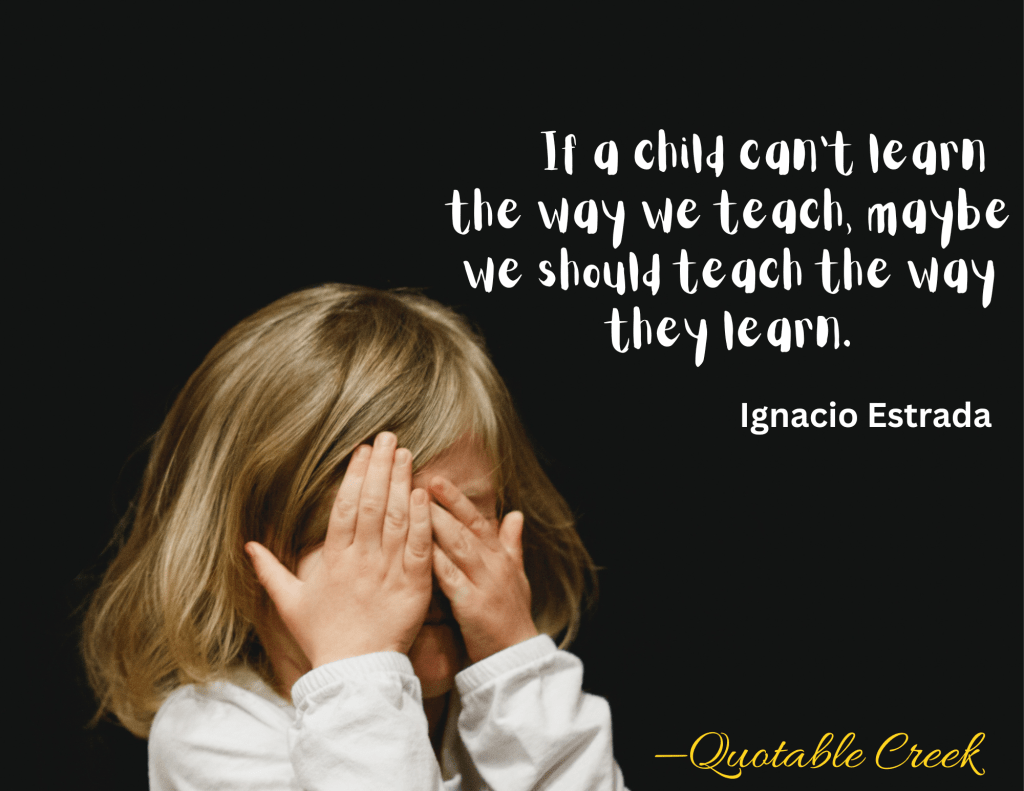
One of the most joyful things about teaching is finding the method that leads to a particular child learning where perhaps they struggled before. Finding the right key for the lock. Teaching, in this way, is one of the most creative and challenging jobs because each child is unique. Not every child can simply sit at a desk and listen to their teacher drone on and somehow absorb and master the material. In fact, a student who would prefer this lecture method is rare.
A vibrant classroom is filled with hands-on, group work, mentoring, art, music, activities, and so on. There are so many ways to teach and pair the right method with the right child. This is why a good teacher will always feel they learn as much as they teach. Of course, implicit in this challenge is having as the goal, helping the child learn. When obedience and regiment replaces learning as the goal, and the teaching method is rigid and unyielding, often students will struggle and fall through the gaps.
Teachers need to always keep their eye on the ball. The bottom line, the mission, is helping children learn.
There are so many areas where the same analysis applies. Where perhaps we fail to keep our eye on the right ball.
My pastor posted the following:
The method v. The mission. There are many ‘This is the way we’ve always done it’ or ‘Technology isn’t our thing’ or ‘Let’s just keep to ourselves’ sentiments behind each failing church. And misplaced beliefs that perhaps there’s just no space for church anymore in today’s world.
And yet.
In both teaching and ministry, there remains the mission. To help children learn. To help God’s people. And these needs in the world are growing, not shrinking.
So then the question becomes, and really always has been, how can we adapt our methods to fulfill our mission?
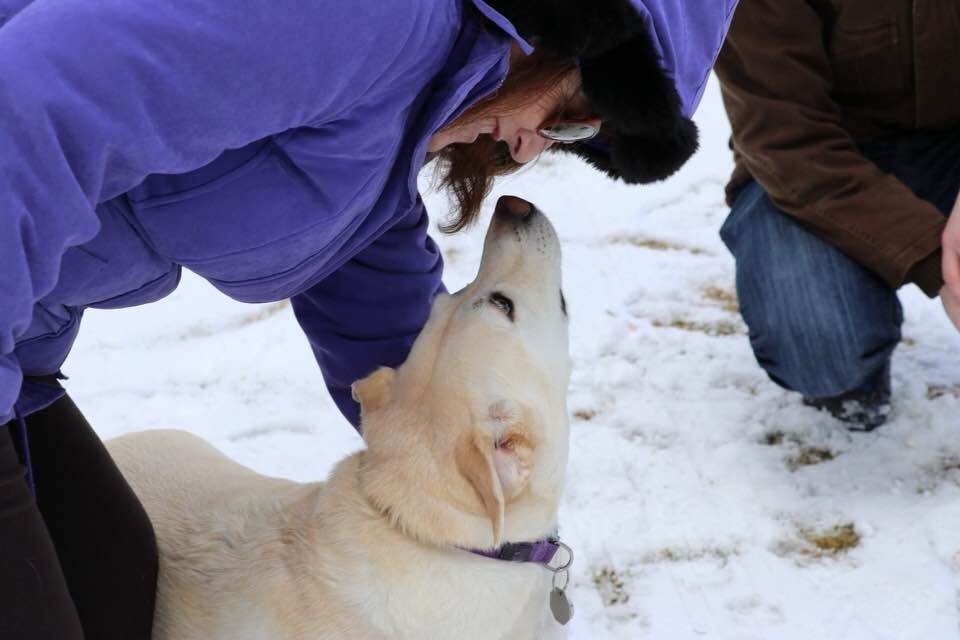
For those of you who know me, you know I recently lost Honey, my beloved dog. Honey was my soul animal, my constant light, my precious girl. I am having trouble accepting that I won’t see her again. The world feels so different without her presence in it. And those eyes. What I would give to look in those eyes again!
Loss is hard. Whether it is of a spouse, a child, a friend, or a pet. We carry a hole with us where that loved one was. But when we sit and consider that relationship and dwell on the things about it for which we are grateful, the loss hurts a bit less.
Smiles replace tears. Warm memories flood our senses. Laughter surprises us. We remember ways we’ve grown or blossomed because of that relationship. Gratitude replaces hurt or anger or grief.
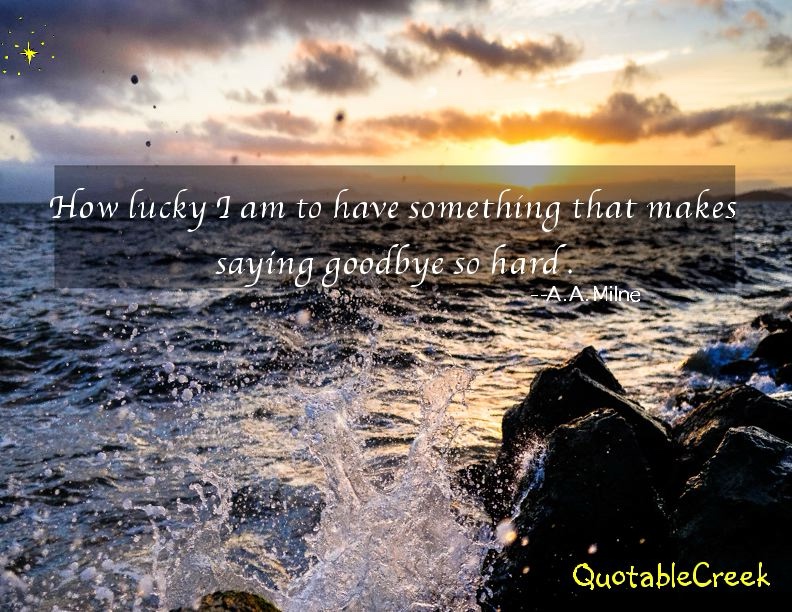
We remember that, yes, we had to say goodbye, but how lucky we were to say hello.
In his letter to the early church at Corinth, Paul sets out how love shows up in the world in his effort to help them get along. It is a frequent text for weddings:
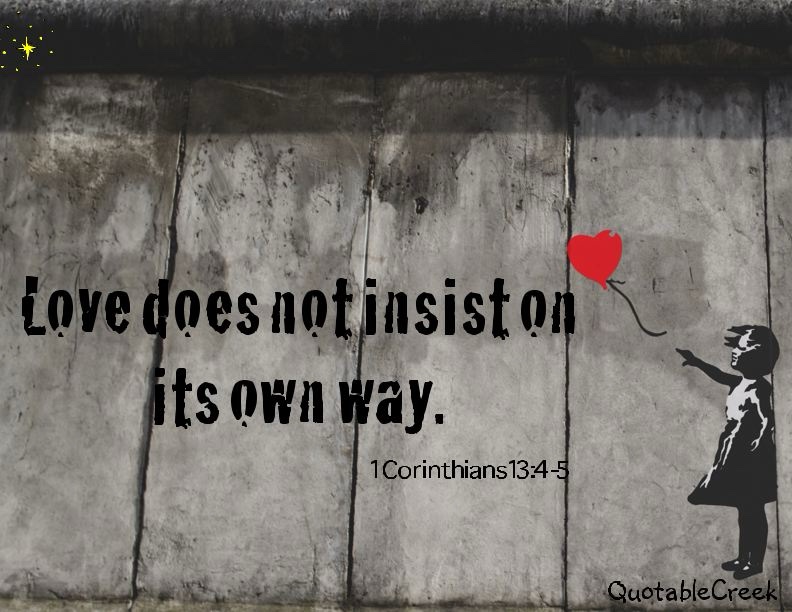
“Love is patient and kind; love does not envy or boast; it is not arrogantor rude. It does not insist on its own way; it is not irritable or resentful…” 1 Corinthians 13:4-5.
To those about to marry, an interesting exercise is to substitute the name of your beloved each time the word ‘Love’ appears. And an even more interesting exercise, for all of us, is to substitute our own names instead of the word ‘love’:
I am patient and kind; I do not envy or boast; I am not arrogant or rude. I do not insist on my own way; I am not irritable or resentful….
How did you do? For many of us, this simple recitation shows us the exact ways and times we are being less than loving and calls us to consider those actions. Must we insist on our own way? How do we know what is right? Isn’t it possible that someone else may be right, too? Are we becoming impatient with others? Can we take a minute to rein ourselves in, breathe deeply, and begin again? Are we holding grudges? Can we let the past go and try to make our present the best possible? And so on.
These checks we can do to measure our progress and monitor our moods against the ideal of love can be very helpful to keep us on track showing up in this world as close to lovingly as we can get.
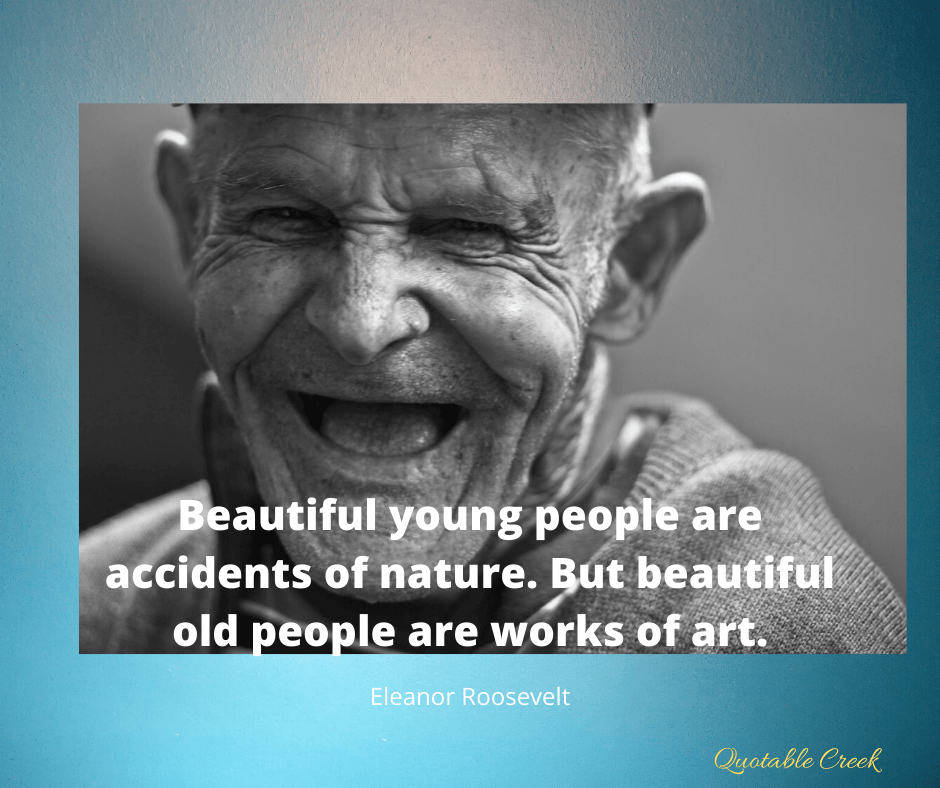
There is a certain tipping point where life becomes weighted with loss. Things shift from everything out ahead to having a full past. In many ways, it is challenging, sad, and frustrating. But in some, it can be liberating.
Consider these words from Anne Lamott:
“So many indignities are involved in aging, and yet so many graces, too. The perfectionism that had run me ragged and has kept me scared and wired my whole life has abated. The idea of perfectionism at 60 is comical when, like me, you’ve worn non-matching black flats out on stage. In my experience, most of us age away from brain and ambition toward heart and soul, and we bathe in relief that things are not worse. When I was younger, I was fixated on looking good and impressing people and being so big in the world. By 60, I didn’t care nearly as much what people thought of me, mostly.”
“I do live in my heart more, which is hard in its own ways, but the blessing is that the yammer in my head is quieter, the endless questioning: What am I supposed to be doing? Is this the right thing? What do you think of that? What does he think of that?”
“A lot of us thought when we were younger that we might want to stretch ourselves into other areas, master new realms. Now, I know better. I’m happy with the little nesty areas that are mine. For some reason, I love my softer, welcoming tummy. I laugh gently more often at darling confused me’s spaced-outed ness, although I’m often glad no one was around to witness my lapses.”
I do ‘feel I live in my heart more’ as she notes. And that grief is keen and biting. Almost as if my mind is at war with itself, one half realizing that death is a natural part of life, inevitable. While the other half refuses to accept the new reality. And yet, ultimately, it is our impermanence that gives our lives luster and meaning. And acceptance, if it should come, may not bring comfort, but peace.
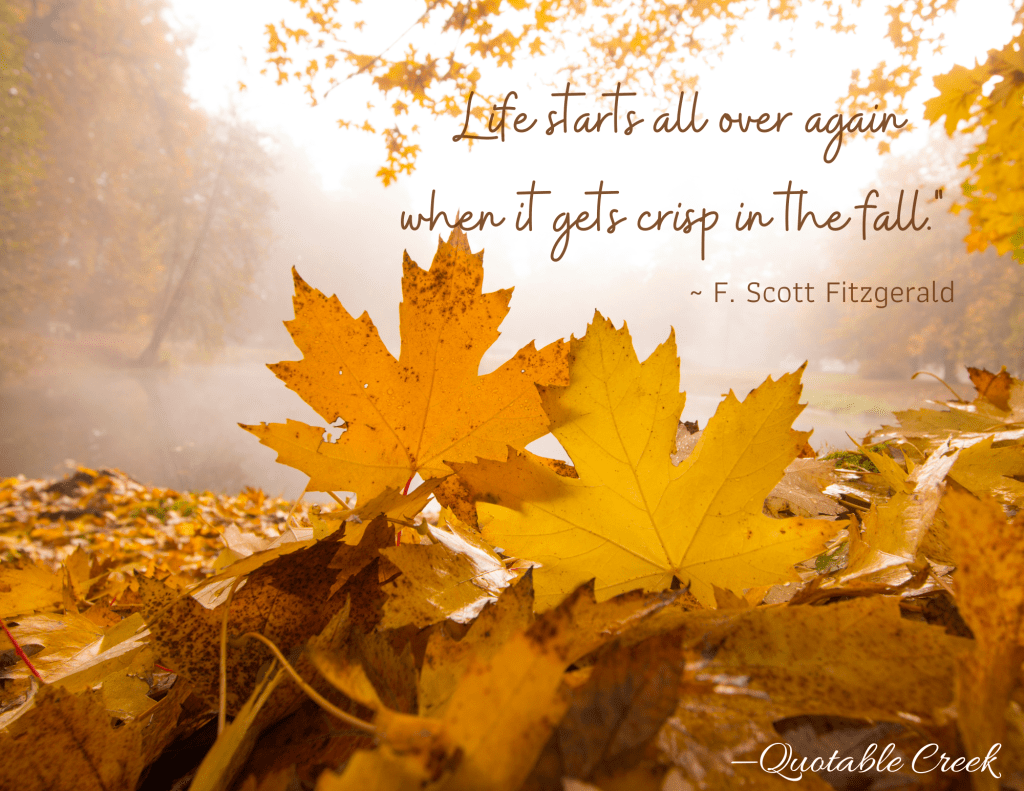
There is something glorious about a crisp October day. The crunch of leaves, the astonishing colors, the bite of a cold breeze. Something is changing, as old as time. Resting in order to be reborn again. Renewal is coming. But, for now, the dropping of leaves. The advancing cold of winter. A time to rest.
Enjoy this Mary Oliver poem on this last day of October.
“In one of John Muir Laws’s books, I read something profound that changed the way my brain thinks. “As you draw the bird,” he writes, “try to feel the life within it.” So now I look at the bird before me and imagine how it senses the world, how it feels breathing cold air, how it feels to have its feathers ruffling in the wind, how it feels to always have an eye out for possible food and possible predators. The bird sees me and is a nanosecond from flying off, but it stays. Why? By imagining the life within, the bird I am drawing is alive, no longer a shape and its parts, but a thinking, sentient being, always on the brink of doing something. By feeling the life within, I am always conscious that all creatures have personalities, and so do trees and clouds and streams. To feel the life within, I now imagine myself as the bird that is looking at me. I imagine its wariness, the many ways it has almost died in its short life. I worry over its comfort and safety, and whether I will see my little companion the next day, the next year. To feel the life within is to also feel grief in the goneness of a single creature or an entire species. Imagination is where compassion grows. Let us join with children to imagine and wonder, to use curiosity as the guide to miracles in plain sight. Let us enter with them into wild wonder so that we become guardians together of all that is living and all that must be saved.”
From Orion Magazine, “The Life Within”.
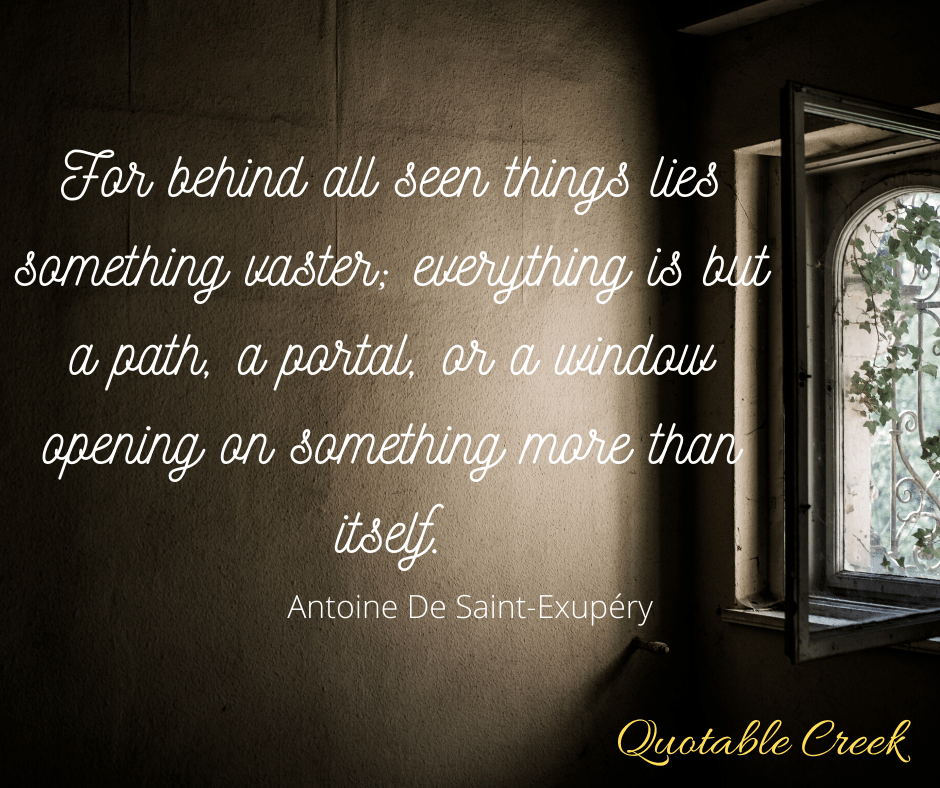
I wonder if we can look at each other that way, as something vaster, as thinking sentient beings with worlds of experience, some harsh. Would that help us to treat each other better? In her book, Dead Man Walking, Sister Helen Prejean describes just this sort of thing as she works with a death row inmate, a man who admittedly committed a heinous act, seeing not just the man but also, though covered with tattoos and bathed in bravado, the little wounded child within. That empathy allowed her to see past the crimes to the human and to feel compassion for him.
Perhaps today we can look with new eyes to see each other as a composite of good and bad, but each fully human and fully deserving of respect and compassion. To paraphrase Amy Tan above, when we consider the person, can we try to picture the life within, the challenges and struggles, hopes and triumphs? Can we become, together, ‘guardians of all that is living and must be saved’ in a place where ‘compassion grows’?




 QuotableCreek.com