Spring has sprung, and nothing beats a morning walk for plugging into springtime energy. Birds twittering, gentle breezes, heady fragrances. And that good vibe can carry you through a mundane day.
Consider this from Mary Oliver
How lovely to think of a morning walk as a gateway into gratitude, and that all of creation is whistling, slapping, stamping, shining, humming, and turning right there with you. In gratitude.
What are your touching, kissing words of gratitude?
We are all masterpieces, really. Works of art of exquisite complexity and beauty. Marvels. But we forget and get sidetracked by external things—success, age, worldliness. But it’s worth remembering.
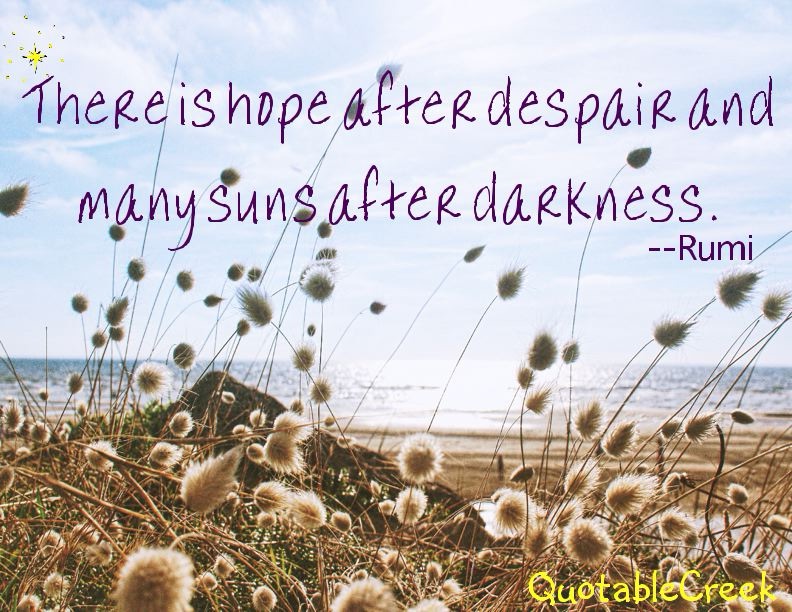
There are things in this life that break us. Usually they involve some sort of loss—of health, of life, of relationship, of stuff. Despair is a crippler. You can’t breathe; you can’t think; you can’t see a way out. The world becomes very small until it feels like you are living in a tiny bubble apart from everything and everyone, floating along fragile in your pain. At times like these, you have to force yourself to hope and to push through. Start with your breath. In and out, in and out, until it is smooth and full, rather than broken with the catch in your throat from the threatening cry. Keep at that, smooth and full, smooth and full, smooth and full until you can open your eyes and start noticing beauty, maybe, at first, in the tiniest of things. A drop of dew on the grass, the feel of breeze on your skin, laughter of a child, the bud of a flower, birds in flight. Keep at it. No one said it would be easy. Keep at it. Smooth and full, smooth and full, smooth and full.
It’s too easy to forget that we are of this earth. Our agendas and business suits disguise us. Our tasks distract us.
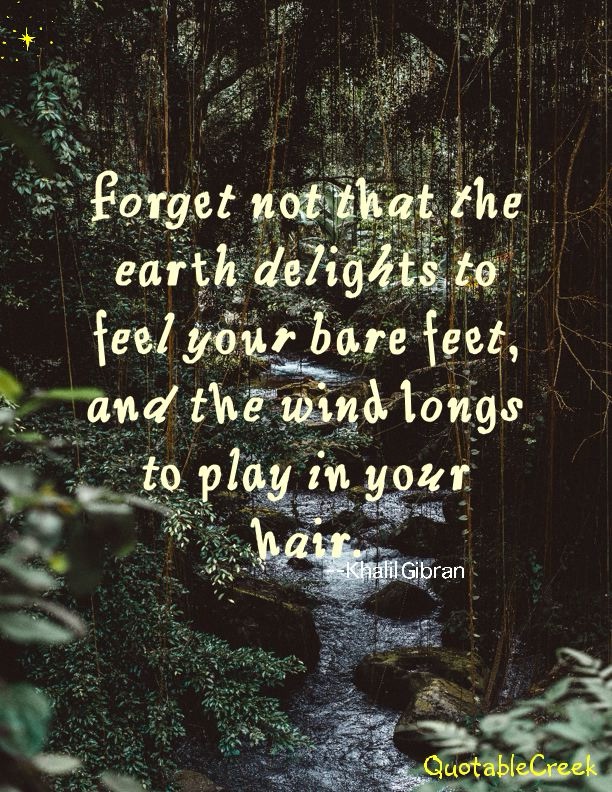
But we are sensuous beings, of the earth and for the earth. We, like the tree frog, are part of creation. How lovely it is to remember that, to appreciate our moment of life in the grand scheme of things, to feel the wind in our hair and the grass under our feet. To drink deep of this moment when we are here.
Sometimes our eyes and hearts are focussed so far in the distance, that we fail to see what is right in front of us. The people we spend our days with, the beauty surrounding us, the opportunities we have to make a difference. When we zoom in to the detail, the richness of the particular moment can be astounding and surprising. What a beautiful, remarkable world we live in. So full of complexity. Each person we see is as full of contradictions and surprises as we are ourselves. Each living or created thing we see is so full of detail.
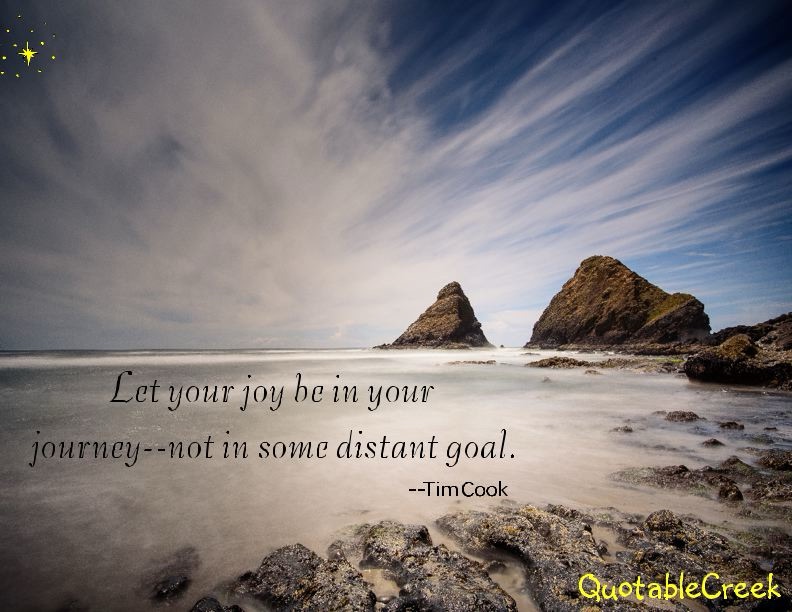
Long-term goals are great, but what a shame if we don’t appreciate each step along the way. We may work side by side with someone but barely know their name let alone what their hopes and dreams are. We may be so busy moving forward that we are blind to the heartache of even the people we live with. It is easy to speed through life with eyes averted like people descending in an elevator focussed only on the floor numbers.
Today take time today to enjoy the journey, the mysteries unfolding all around you, the people who share your path, and all the beautiful and startling things right here, right now.
Like, for example, who can not stop and be amazed at this little beagle shaking its jowls, its great ears flopping to the beat, its sturdy paws holding on in front but shifting with its wagging tail in back, the gorgeous landscape behind it? What a fascinating little miracle, right here. Just this.
I am a huge fan of birdsong. It is so joyful. Listening to a little bird, so unassuming, singing with all it has to welcome the day reminds us of what it is like to be alive—vibrant and grateful, blessed with a day ahead to sing our song however that might manifest itself in each individual life. Open. Ready. Eager even.
And yet life can bring us low. Consider Shakespeare’s 29th Sonnet below. He certainly gets what it is like to feel outcast and alone, bemoaning our fate, jealous of others’ future and friends, their talents and possibilities, when we feel we have none.
And yet,
There is, or maybe was, someone who brightened our spirits. Someone who loved us and, like the simple lark singing its joyful song, that love can change an outlook in a blink. And next to that love, all the treasure of kings is paltry.
For a perfect, tear-jerking read of this Sonnet, take a listen to Judi Dench in the clip below. and take a minute, sometime today, to listen to a bird singing its heart out and remember those you love and those who love you.
When, in disgrace with fortune and men’s eyes,
I all alone beweep my outcast state,
And trouble deaf heaven with my bootless cries,
And look upon myself and curse my fate,
Wishing me like to one more rich in hope,
Featured like him, like him with friends possessed,
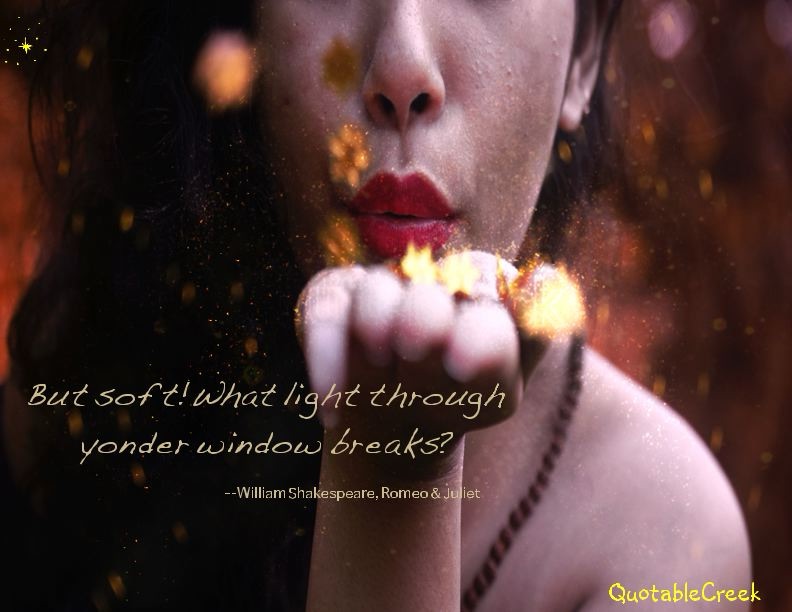
Are there any more beautiful words in English literature than these: “But soft! What light through yonder window breaks?”
These are Romeo’s words when he gazes at Juliet above on the balcony, but what if we were to bring these words into our everyday encounters?
But soft! Listen to the hush here, the rapt attention, all of his focus on her, just her. What if we were to whisper these words to ourselves before we talk with someone? But soft! The world fades, the focus sharpens, all of our attention is on that person. But soft! reminds us not just to be calm and attentive, but also to be gentle and reverent. Wouldn’t any conversation shift if it were preceded by such a lovely call to silence? Wouldn’t But soft! be a perfect pairing of words to bring back into common usage?
“What light through yonder window breaks?” Again, what if we were to look at each other this way? As light, as beings capable of making the world a brighter place. Even those with much of darkness about them have an inner light, a spark of good. What if we were to ignore the dark and focus on the light in each other? What a compliment it is to be called a light! Wouldn’t someone noticing our light make each of us want to shine ever more brightly? And wouldn’t that, accordingly, make the world an ever brighter place?
I’m listening, world. What do you have to teach me? Where should my attention be, to understand and, finally, get it, the great purpose and plan of it all?
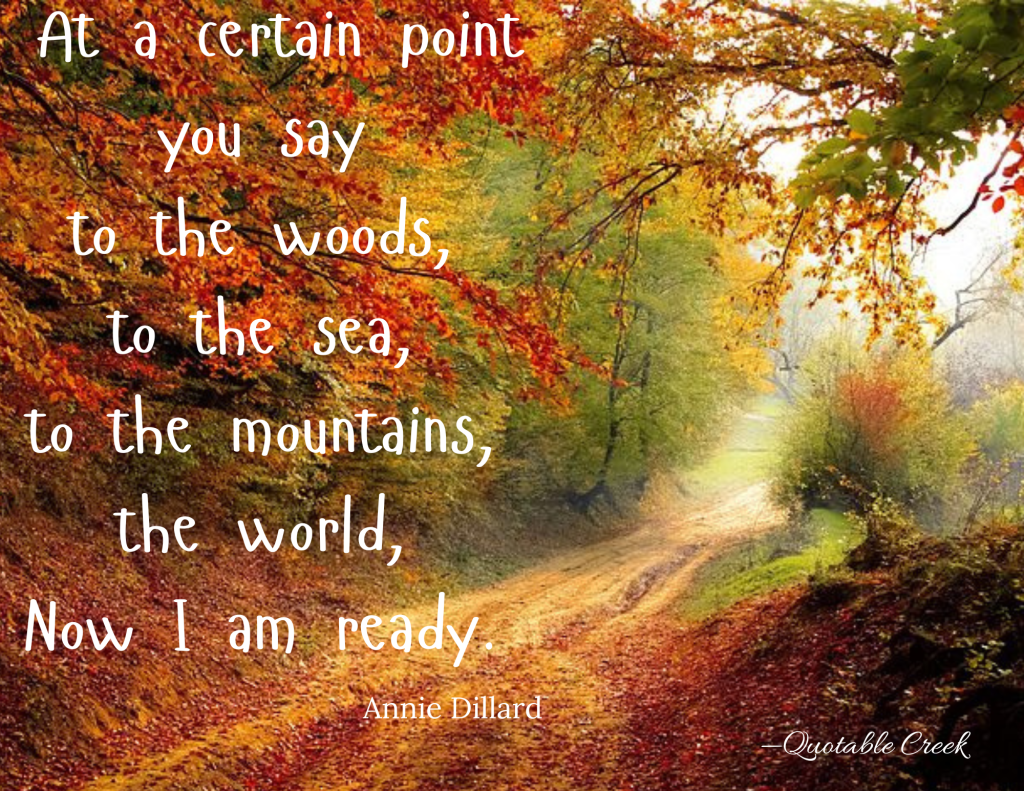
Annie Dillard, in Teaching a Stone to Talk writes:
At a certain point, you say to the woods, to the sea, to the mountains, the world, Now I am ready. Now I will stop and be wholly attentive. You empty yourself and wait, listening. After a time you hear it: there is nothing there. There is nothing but those things only, those created objects, discrete, growing or holding, or swaying, being rained on or raining, held, flooding or ebbing, standing, or spread. You feel the world’s word as a tension, a hum, a single chorused note everywhere the same. This is it: this hum is the silence. Nature does utter a peep – just this one. The birds and insects, the meadows and swamps and rivers and stones and mountains and clouds: they all do it; they all don’t do it. There is a vibrancy to the silence, a suppression, as if someone were gagging the world. But you wait, you give your life’s length to listening, and nothing happens. The ice rolls up, the ice rolls back, and still that single note obtains. The tension, or lack of it, is intolerable. The silence is not actually suppression: instead, it is all there is.
And later:
The silence is all there is. It is the alpha and the omega. It is God’s brooding over the face of the waters; it is the blended note of ten thousand things, the whine of wings. You take a step in the right direction to pray into this silence, and even to address the prayer to ‘World.’ Distinctions blur. Quit your tents. Pray without ceasing.
Perhaps the aha moment isn’t in understanding as much as in being, a part within a vast whole, caught up in the mystery and the magnitude.
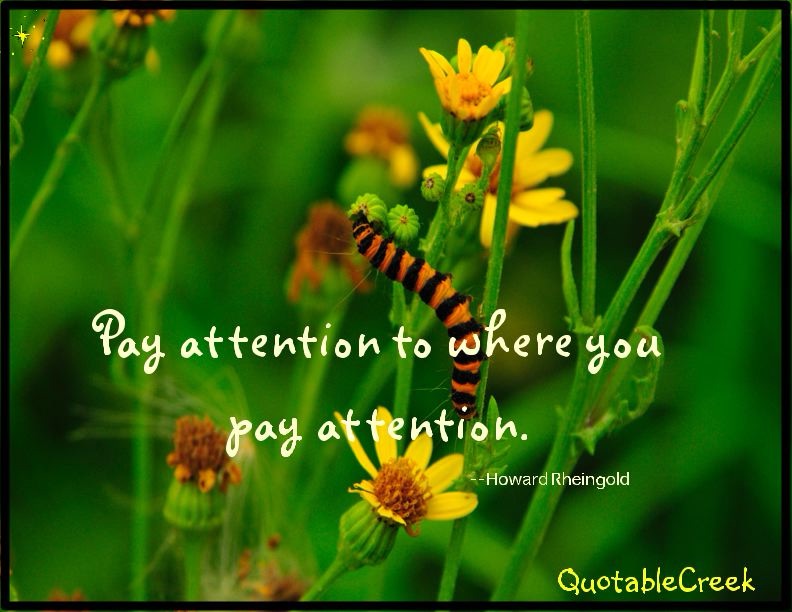
Have you ever wondered why everything is so beautiful? Have you stood rapt in the brilliant colors of a sunset, or listening to birdsong in the morning, or watching the way a caterpillar humps along with all its little feet working together? Perhaps there are logical, book smart reasons, like flowers are beautiful to attract bees, or animals are beautiful to attract mates or to warn predators they’re toxic, or some such thing, but don’t those answers beg the question really? Why is beauty? Could the answer be that it is to inspire awe in us? And our job is to notice.
A master violinist can play Bach on a precious instrument, and most people will just walk by:
We are living in a place filled with beauty if we only stop to notice. For inspiration, consider Mary Oliver’s poem, The Summer Day:
The Summer Day
Who made the world?
Who made the swan, and the black bear?
Who made the grasshopper?
This grasshopper, I mean-
the one who has flung herself out of the grass,
the one who is eating sugar out of my hand,
who is moving her jaws back and forth instead of up and down-
who is gazing around with her enormous and complicated eyes.
Now she lifts her pale forearms and thoroughly washes her face.
Now she snaps her wings open, and floats away.
I don't know exactly what a prayer is.
I do know how to pay attention, how to fall down
into the grass, how to kneel down in the grass,
how to be idle and blessed, how to stroll through the fields,
which is what I have been doing all day.
Tell me, what else should I have done?
Doesn't everything die at last, and too soon?
Tell me, what is it you plan to do
with your one wild and precious life?
What a gift we have been given to have the chance to notice the beauty all around us today!





 QuotableCreek.com