Faith is not a contest.

Faith is not a contest. It’s not praying louder or more eloquently for all to see. It’s not giving or fasting for show.

It’s an internal, deeply personal thing between you and God. It’s a dark of the night hope, and a bright green day joy. It the bulb pushing its way stubbornly through the soil with the promise of spring. It’s holding on to the values you know to be right even in the face of temptation, or expedience, or doubt.

Lent is a time for us to dig deep into our souls, to reconnect with God and each other, to remind ourselves of who and whose we are, and then live out that truth.

Rain

We can’t choose everything in life, but we can choose what kind of person we want to be.

As we deal with storms across the country and unprecedented blizzard watches here in Southern California, consider the importance of rain. Rain can be like encouragement, bringing nourishment and rebirth to dry parched land. It can promote an abundance of life and energy.

But, in excess, rain can cause flooding and landslides. It can sweep people away into rushing water and leave the landscape devastated.

Our words have the same power. We can be supportive and encouraging, fostering life and vitality in those we engage with. Or we can be harsh and critical, pessimistic and judgmental. Our words can both heal and wound. Our choice.

We can choose to be encouraging and supportive, rather than bleak and pessimistic.

We can avoid being the person who rains on someone else’s parade.

With whatever I have for as long as I can

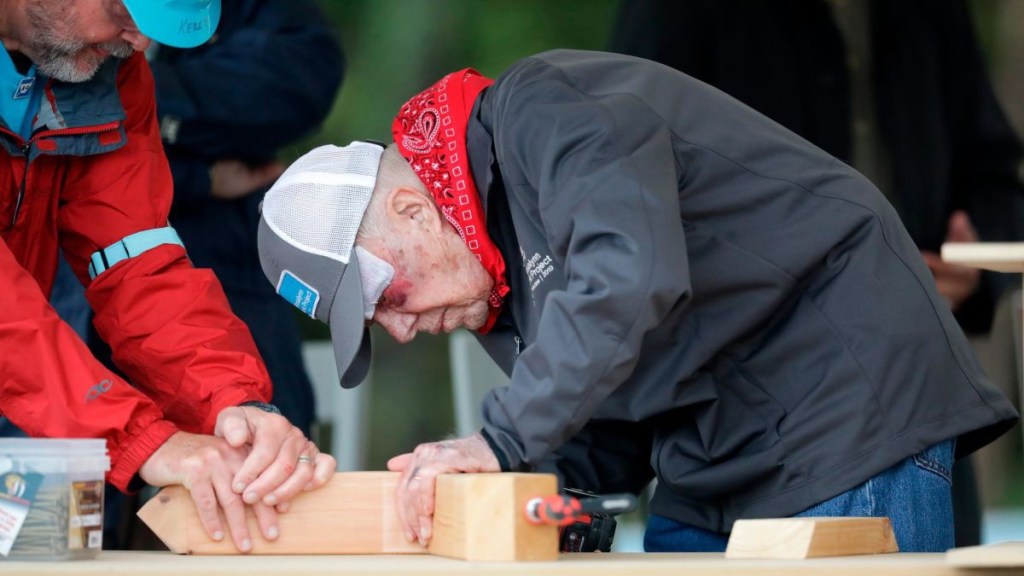
With the news this week that former President Jimmy Carter has entered home hospice care, many people have been sharing stories about his accomplishments in office—his efforts for peace, his push for environmental stewardship, and his efforts toward energy independence, among others.

But his most striking accomplishments perhaps are what he has done since he lost his re-election bid. Rather than retreat to Georgia and exit the public arena, he began building houses for the poor, and working for democracy—a principle he firmly believed in—around the world, and standing up for women’s rights, even when that stand conflicted with his religion, and working to eradicate disease and so on. He has never stopped showing up to make a difference.

In a world that has grown more cynical and jaded since his entry into the public spotlight, he continues to show us what it means to walk the walk, quietly, humbly, and without fanfare. Here, surely, is a good and faithful servant of God.

Melting pot or mosaic?

When I was a girl, text books used the term ‘melting pot’ to describe America as if everyone were thrown into one big pot and all the differences were boiled out, with America becoming just one big homogenous pot of glop. But better metaphors have popped up in the years since. Such as a salad bowl:

We don’t need a melting pot in this country, folks. We need a salad bowl. In a salad bowl, you put in the different things. You want the vegetables – the lettuce, the cucumbers, the onions, the green peppers – to maintain their identity. You appreciate differences.

Jane Elliot

But perhaps my favorite is Jimmy Carter’s:

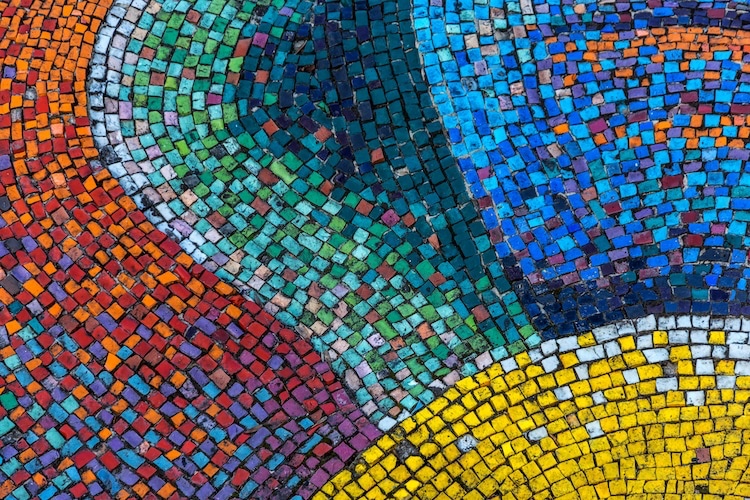
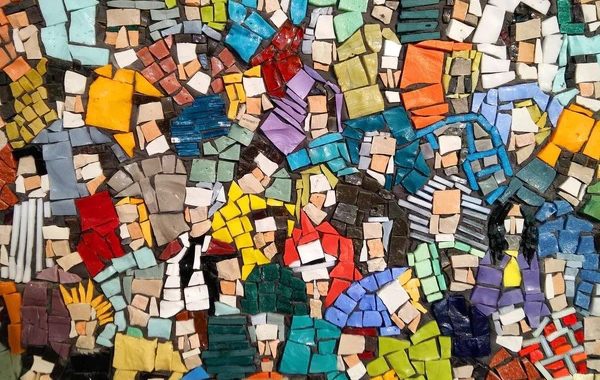
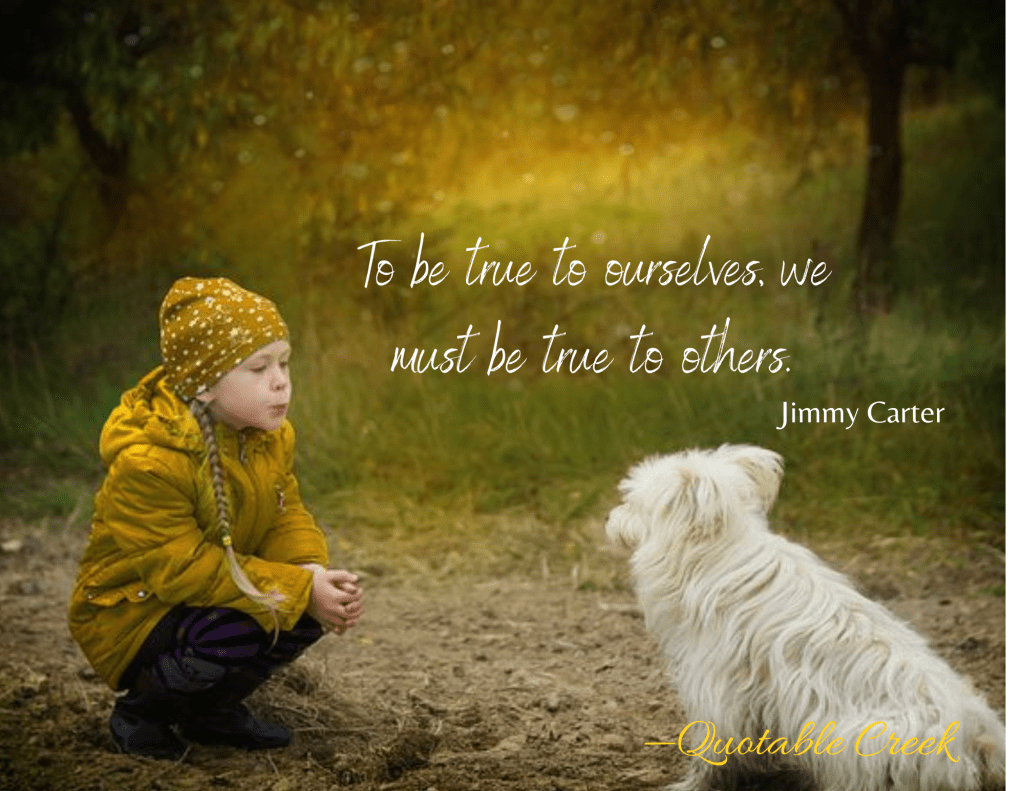
We become not a melting pot but a beautiful mosaic. Different people, different beliefs, different yearnings, different hopes, different dreams.

Jimmy Carter

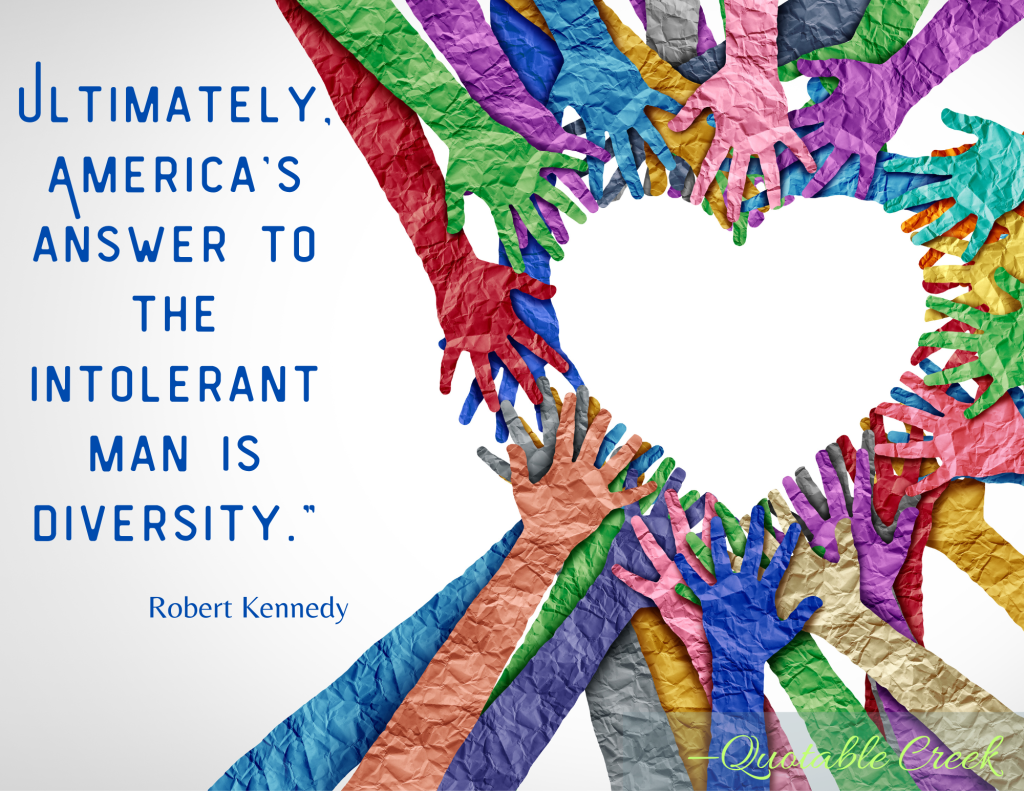
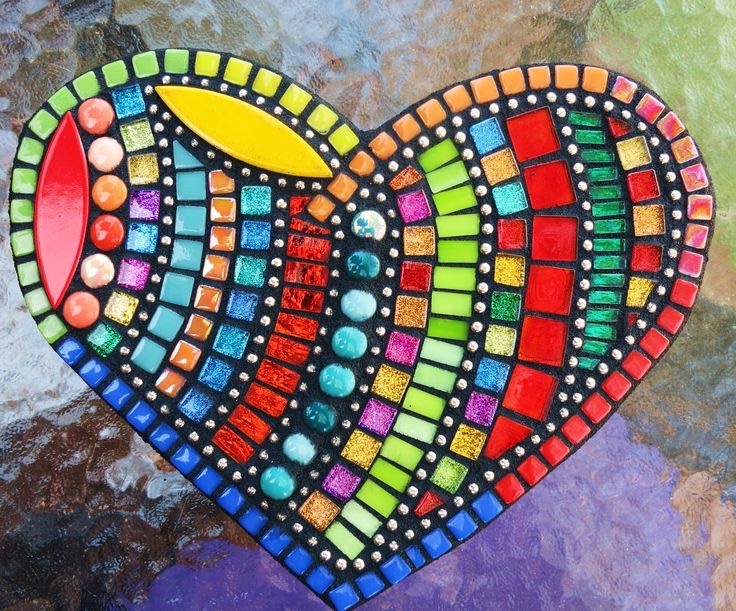
I love the idea of a mosaic to define America—beauty in all the bits and pieces, each a small distinct individual unit but also a necessary part of a larger picture.

No matter how you describe it, America at its best, living up to its ideals, is stronger because of its diversity, the unique perspectives, the mix of voices, backgrounds, cultures, and traditions.

True blue

It’s startling to hear something you’ve shared with someone in confidence being talked about elsewhere. It makes you feel so exposed, but, more important, it undermines trust in the relationship. Perhaps keeping secrets isn’t possible, and Ben Franklin was right when he said, “Three may keep a secret, if two of them are dead.”

But, just maybe, people should try harder to be worthy of trust. Brené Brown talks about the important elements of trust, to the acronym BRAVING:

Boundaries
Setting boundaries is making clear what’s okay and what’s not okay, and why

Reliability
You do what you say you’ll do. At work, this means staying aware of your competencies and limitations so you don’t overpromise and are able to deliver on commitments and balance competing priorities.

Accountability
You own your mistakes, apologize, and make amends.

Vault
You don’t share information or experiences that are not yours to share. I need to know that my confidences are kept, and that you’re not sharing with me any information about other people that should be confidential.

Integrity
Choosing courage over comfort; choosing what’s right over what’s fun, fast, or easy; and practicing your values, not just professing them.

Nonjudgment
I can ask for what I need, and you can ask for what you need. We can talk about how we feel without judgment.

Generosity
Extending the most generous interpretation to the intentions, words, and actions of others.

https://brenebrown.com/resources/the-braving-inventory/

It is important to learn which stories are yours to share, to leave the decision whether to share in the hands of the person who owns the story, and to be a safe place for your friend to come. We all need friends; let’s be good ones.

There is love

Sometimes we just need to get out of the way. What if we think of ourselves as vessels to collect love and then pour it out–not just on ourselves and those close to us, but on everyone and everything? What would our days look like if every encounter with someone else was an opportunity to be loving and thoughtful? What would our world look like if we used our time and energy to love it? What would our relationships look like if we laid down all our weapons–anger, resentment, hurt, selfishness–and just took the time to love each other, as if our very lives depended on it? They just may.

Erring in the direction of kindness

What do we regret most as we contemplate the end of our time here? Maybe the lesson from that regret can inform our present. In an outstanding commencement speech, George Saunders reflects on his own failures and encourages the graduating students to look for opportunities to be kind. He reflects on a memory haunting him from his childhood:

In seventh grade, this new kid joined our class. In the interest of confidentiality, her Convocation Speech name will be “ELLEN.” ELLEN was small, shy. She wore these blue cat’s-eye glasses that, at the time, only old ladies wore. When nervous, which was pretty much always, she had a habit of taking a strand of hair into her mouth and chewing on it.

So she came to our school and our neighborhood, and was mostly ignored, occasionally teased (“Your hair taste good?” — that sort of thing). I could see this hurt her. I still remember the way she’d look after such an insult: eyes cast down, a little gut-kicked, as if, having just been reminded of her place in things, she was trying, as much as possible, to disappear. After awhile she’d drift away, hair-strand still in her mouth. At home, I imagined, after school, her mother would say, you know: “How was your day, sweetie?” and she’d say, “Oh, fine.” And her mother would say, “Making any friends?” and she’d go, “Sure, lots.”

Sometimes I’d see her hanging around alone in her front yard, as if afraid to leave it.

And then — they moved. That was it. No tragedy, no big final hazing.

One day she was there, next day she wasn’t.

End of story.

Now, why do I regret that? Why, forty-two years later, am I still thinking about it? Relative to most of the other kids, I was actually pretty nice to her. I never said an unkind word to her. In fact, I sometimes even (mildly) defended her.

But still. It bothers me.

So here’s something I know to be true, although it’s a little corny, and I don’t quite know what to do with it:

What I regret most in my life are failures of kindness. 

Those moments when another human being was there, in front of me, suffering, and I responded . . . sensibly. Reservedly. Mildly.

We all have so many opportunities to make a difference, just by simply being kind, offering a smile, reaching out in friendship. And, when we reflect on the kindnesses that have made the difference to each of us in our own lives, we realize those little shows of kindness are what matter.

Saunders continues to remind each of us that our inner selves, our souls, shine as brightly as ever, and, even as we strive for success, to keep checking in with that inner place, and to believe it exists and greet the world from there:

Do all the other things, the ambitious things — travel, get rich, get famous, innovate, lead, fall in love, make and lose fortunes, swim naked in wild jungle rivers (after first having it tested for monkey poop) – but as you do, to the extent that you can, err in the direction of kindness. Do those things that incline you toward the big questions, and avoid the things that would reduce you and make you trivial. That luminous part of you that exists beyond personality — your soul, if you will — is as bright and shining as any that has ever been. Bright as Shakespeare’s, bright as Gandhi’s, bright as Mother Teresa’s. Clear away everything that keeps you separate from this secret luminous place. Believe it exists, come to know it better, nurture it, share its fruits tirelessly.

When you are confronted with a choice, err in the direction of kindness.

To have a friend

I’ve been blessed with good friends, some friendships going back decades. What a gift it is to travel this life in the company of people who know you, warts and all, and love you. And what a sacred thing it is to be someone’s friend, trusted with their stories, their heartaches, their joys. Friendship is the glue that holds this whole crazy thing called life together.

Writer Anaïs Nin opined that “Each friend represents a world in us, a world possibly not born until they arrive, and it is only by this meeting that a new world is born.” As Nin conveys, friendship can elicit joy, companionship, and growth—enriching our entire experience of the world.

https://www.psychologytoday.com/us/basics/friends

And, as it turns out, friendship is good for what ails us:

Strong friendships are a critical aspect of most people’s emotional well-being. Research indicates that close friendships are associated with greater happiness, self-esteem, and sense of purpose. These bonds are even associated with physical outcomes, such as lower blood pressure and a longer lifespan.

https://www.psychologytoday.com/us/basics/friends

So, today, let’s celebrate friendship!

Being a role model

Rob Kenney has a YouTube channel Dad, How Do I? where he teaches his nearly 3 million viewers how to do stuff. He got the idea for his channel wondering about the kids growing up without dads and wanting to help fill that space for them, teaching them how to tie their tie, do their taxes, check their oil, plant a tree, and so on. He tells them he’s proud of them.

https://youtube.com/@DadhowdoI

What a sweet idea. And resource! But, more importantly, how wonderful it is to see someone consciously being a positive role model, using his know-how to help others, and trying to fill a void.

The truth is we all have the potential to be role models. Whether it’s how we behave under pressure, handle a crowded line, or talk with someone who disagrees, our actions matter. People will see us and think about whether they want to follow our example. We have a responsibility to be a good one.