Comfort time.
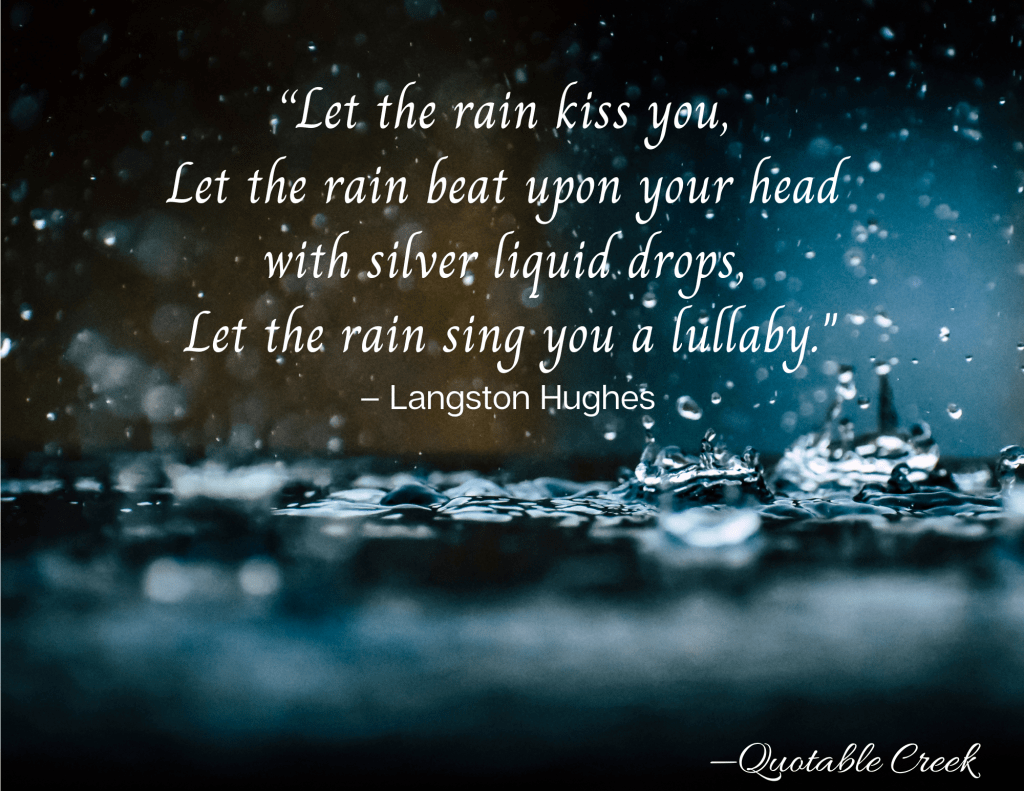
It’s raining here. Again. My drought tolerant landscape must be wondering what’s up. But I am safe, warm, and grateful. Today is a good day for comfort and the things that warm us. Enjoy this poem.
It’s raining here. Again. My drought tolerant landscape must be wondering what’s up. But I am safe, warm, and grateful. Today is a good day for comfort and the things that warm us. Enjoy this poem.
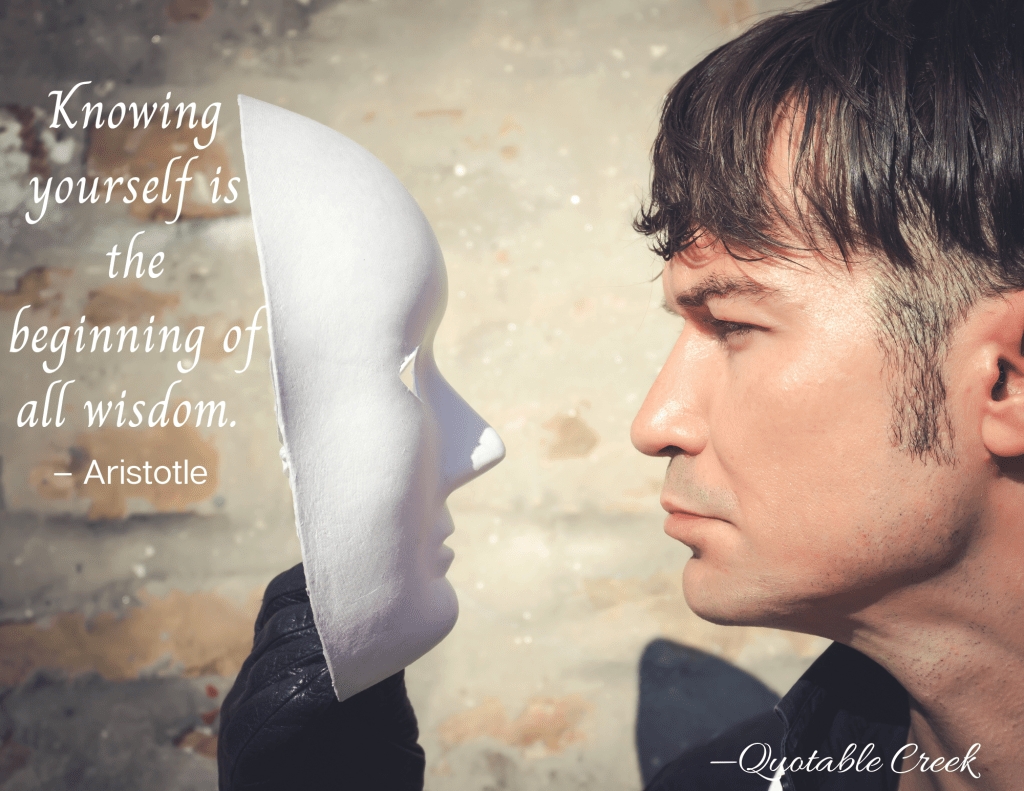
For many of us, our childhoods were pretty structured or were spent pleasing others to the point where we don’t completely know what we enjoy or what brings us pleasure. One of the joys of adulthood is laying down other’s expectations and pressures and discovering who we are deep down.
Emily says it well,
Finding yourself
is not really how it works. You aren’t a ten-dollar bill in last winter’s coat pocket.
You are also not lost. Your true self is right there, buried under cultural conditioning, other people’s opinions, and inaccurate conclusions you drew as a kid that became your beliefs about who you are. “Finding yourself” is actually returning to yourself. An unlearning, an excavation, a remembering who you were before the world got its hands on you.
Emily McDowell
Take a minute and think about what you loved as a child before ‘the world got its hands on you’. Is there a way to return to that joy in some way today?
Sometimes we see the extraordinary in the ordinary. This poem perfectly captures the blessing in such a day:
Lord, here I am.
How strange it is,
That some days feel like hurricanes
And others like glassy seas
And others like nothing much at all,
Today is a cosmic shrug.
My day planner says,
Rather conveniently,
That I will not need you,
Cry for you, reach for you.
Ordinarily, I might not think of you at all.
Except, if you don’t mind,
Let me notice you.
Show up in the small necessities
And everyday graces.
God, be bread.
Be water.
Be laundry.
Be the coffee cup in my hands
And the reason to calm down in traffic.
Be the gentler tone in my insistence today
That people pick up after themselves for once.
When I catch my own reflection
Or feel my own self-loathing
Fluttering in my stomach.
Calm my mind,
Lift my spirit,
Make this dumb, ordinary day
My prayer of thanks.
Be the reason I feel loved.
The Lives We Actually Have, by Kate Bowler and Jessica Richie
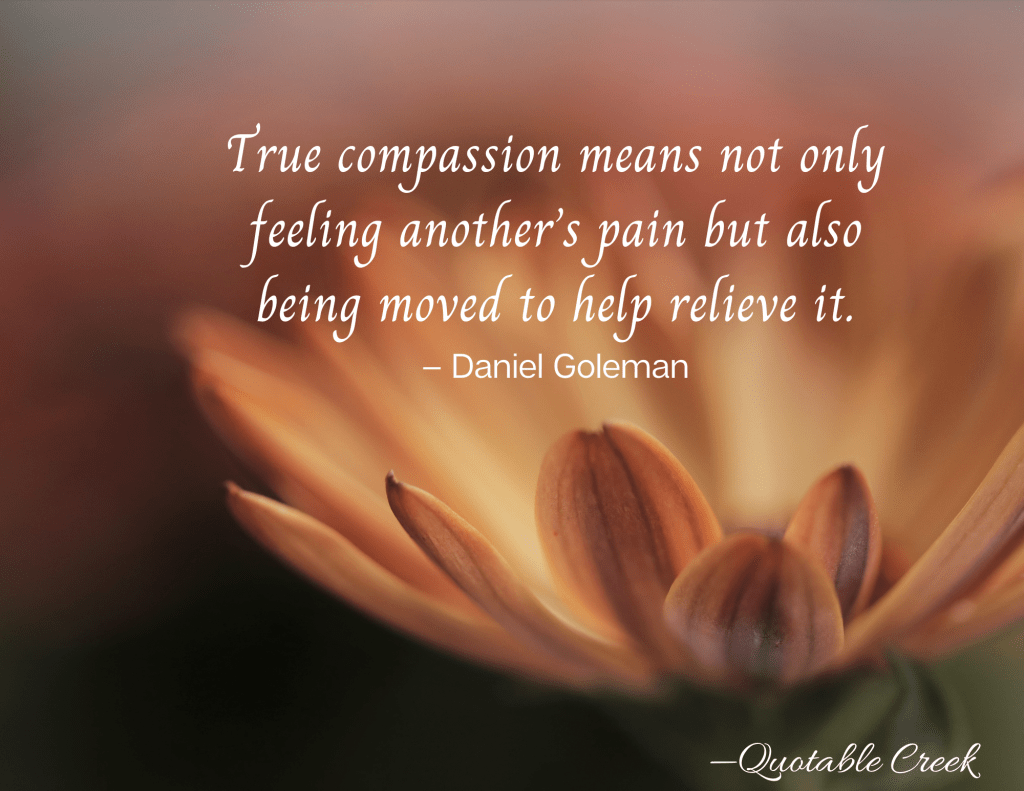
Compassion is an active, engaging emotion. It recognizes that another’s pain is as important as your own and seeks to help alleviate it. It is the emotion behind all social justice reform.
Compassion comes from empathy which is very different from sympathy. Dr. Eric Perry describes the two like this:
To better understand empathy, it is important to distinguish it from sympathy. Sympathy is the ability to understand another person’s situation from your point of view. It is a self-centered point of view that helps you understand what the other person is going through based on your own circumstances. You are able to acknowledge how the other person is feeling but, from a distance. You do not become emotionally connected to the person. For example, you are able to sympathize with someone having problems in their relationship because you have had problems in your own relationship. You do not feel what they are feeling but you have an understanding of what they are experiencing.
Empathy is a bit more complicated and abstract. In order to experience empathy, you must have the ability to identify the emotion and to place yourself in the other person’s position. The focus of empathy is self-less. You are experiencing another person’s emotional life by your ability to connect with them. In a sense, you are vicariously feeling the emotion. For example, through empathy, you are able to feel a stranger’s loss of a child, even if you are childless, by seeing the loss through their perspective. Through this connection, you are able to wear the emotional skin of another and essentially feel with them.
The inability to imagine yourself in someone else’s place in order to understand what they are feeling will result in difficulty in connecting with others.
Narcissists and sociopaths can feel sympathy. They use their knowledge of a person’s emotions, not to help them, but to manipulate and control them. But the empathetic person shares the pain of another and works to alleviate it.
The good new is that compassion is like a muscle and can be practiced and strengthened. In this fascinating article by Greater Good, they outline some steps for increasing your empathy.
They identify four goals to the practice:
- Bringing attention or awareness to recognizing that there is suffering (cognitive)
- Feeling emotionally moved by that suffering (affective)
- Wishing there to be relief from that suffering (intentional)
- A readiness to take action to relieve that suffering (motivational)
https://greatergood.berkeley.edu/article/item/six_habits_of_highly_compassionate_people
The article is well worth a few minutes to identify and exercise these compassion strengthening muscles. Flex!
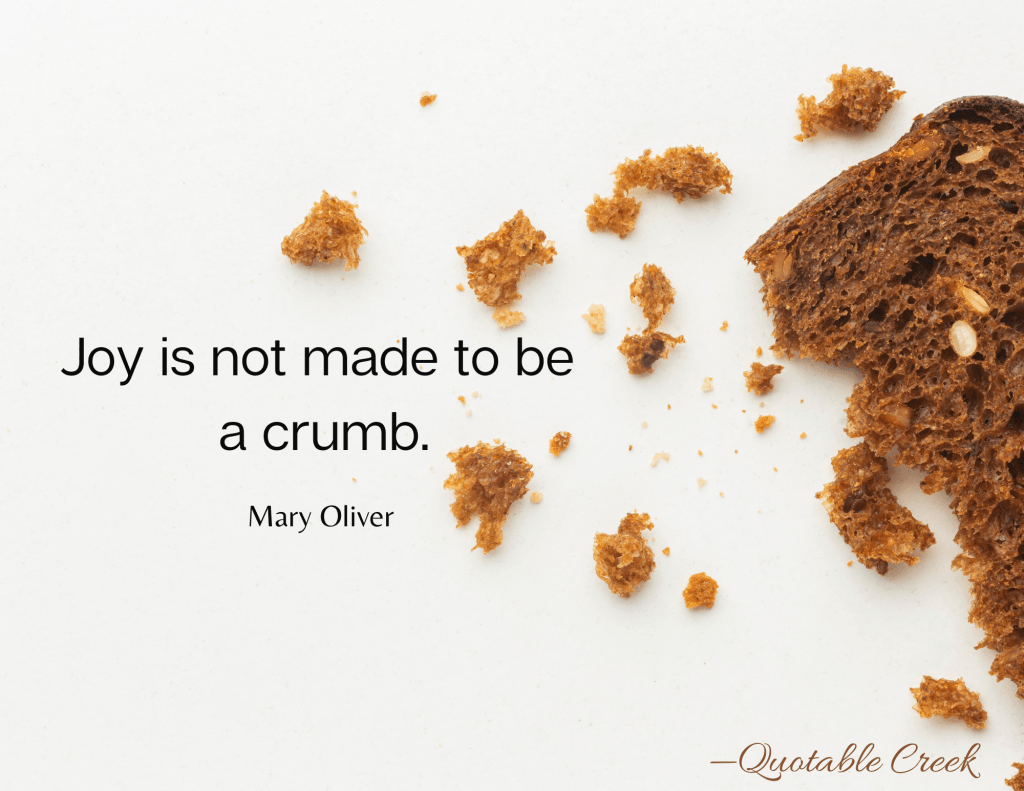
Joy is a fascinating emotion. It often springs up in us at surprising times. There is something of a wellspring vibe to it, as if it bubbles up in us with little bearing to our circumstance in life or particular experience. As C. S. Lewis notes,
“I call it Joy. ‘Animal-Land’ was not imaginative. But certain other experiences were… The first is itself the memory of a memory. As I stood beside a flowering currant bush on a summer day there suddenly arose in me without warning, and as if from a depth not of years but of centuries, the memory of that earlier morning at the Old House when my brother had brought his toy garden into the nursery. It is difficult or find words strong enough for the sensation which came over me; Milton’s ‘enormous bliss’ of Eden (giving the full, ancient meaning to ‘enormous’) comes somewhere near it. It was a sensation, of course, of desire; but desire for what?…Before I knew what I desired, the desire itself was gone, the whole glimpse… withdrawn, the world turned commonplace again, or only stirred by a longing for the longing that had just ceased… In a sense the central story of my life is about nothing else… The quality common to the three experiences… is that of an unsatisfied desire which is itself more desirable than any other satisfaction. I call it Joy, which is here a technical term and must be sharply distinguished both from Happiness and Pleasure. Joy (in my sense) has indeed one characteristic, and one only, in common with them; the fact that anyone who has experienced it will want it again… I doubt whether anyone who has tasted it would ever, if both were in his power, exchange it for all the pleasures in the world. But then Joy is never in our power and Pleasure often is.”
The Shape of My Early Life
Joy is distinct from pleasure and happiness. It is an abundance, a bliss, an immeasurable gratitude for the privilege of being. It isn’t meant to be ignored, but embraced, relished, cherished. Not as a byproduct of some other experience, but in itself.
As Mary Oliver says,
“If you suddenly and unexpectedly feel joy, don’t hesitate. Give in to it. There are plenty of lives and whole towns destroyed or about to be. We are not wise, and not very often kind. And much can never be redeemed. Still life has some possibility left. Perhaps this is its way of fighting back, that sometimes something happened better than all the riches or power in the world. It could be anything, but very likely you notice it in the instant when love begins. Anyway, that’s often the case. Anyway, whatever it is, don’t be afraid of its plenty. Joy is not made to be a crumb. (Don’t Hesitate)”
Swan, Poems and Prose Poems
If you should be lucky enough to feel joy bubbling up, savor it.
We’ve always done it this way. Have you heard this? Said it? Maybe it’s time to look at ‘it’ with fresh eyes.
The same is true for the way we act, think, believe. Take a look. Is there anything there that is worth a reconsideration?
As we age, it’s easy to fall into ruts, easy to believe our way is the right way, easy to assume any problems are the other person’s fault.
Self-reflection, hard, soul-deep reflection, the kind of reflection that might be filled with regret and tears and epiphanies and apologies, is a good tune-up for our inner selves. Without it, there will be no progress.

Do you have any difficult people in your life? Chances are you can’t force them to be less toxic, but there are steps you can take to be less bothered by the encounter. In this article by Christine Carter, she suggests, among other things, that showing mercy to this difficult person will rebound to you:
Anne Lamott defines mercy as radical kindness bolstered by forgiveness, and it allows us to alter a communication dynamic, even when we are interacting with someone mired in anger or fear or jealousy. We do this by offering them a gift from our heart. You probably won’t be able to get rid of your negative thoughts about them, and you won’t be able to change them, but you can make an effort to be a loving person. Can you buy them a cup of coffee? Can you hold space for their suffering? Can you send a loving-kindness meditation their way?
Forgiveness takes this kindness to a whole new level. I used to think I couldn’t really forgive someone who’d hurt me until they’d asked for forgiveness, preferably in the form of a moving and remorseful apology letter.
But I’ve learned that to heal ourselves we must forgive whether or not we’re asked for forgiveness, and whether or not the person is still hurting us. When we do, we feel happier and more peaceful. This means that you might need to forgive the other person at the end of every day—or, on bad days, every hour. Forgiveness is an ongoing practice, not a one-time deal.
When we find ways to show mercy to even the person who has cost us sleep and love and even our well-being, something miraculous happens. “When we manage a flash of mercy for someone we don’t like, especially a truly awful person, including ourselves,” Anne Lamott writes, “we experience a great spiritual moment, a new point of view that can make us gasp.”
Here’s the real miracle: Our mercy boomerangs back to us. When we show radical kindness, forgiveness, and acceptance—and when we tell the truth in even the most difficult relationship—we start to show ourselves those things. We realize that we can love and forgive and accept even the most terrible aspects of our own being, even if it is only for a moment. We start to show ourselvesthe truth, and this makes us feel free.
Perhaps you can show that difficult person mercy today.
Faith is not a contest. It’s not praying louder or more eloquently for all to see. It’s not giving or fasting for show.
It’s an internal, deeply personal thing between you and God. It’s a dark of the night hope, and a bright green day joy. It the bulb pushing its way stubbornly through the soil with the promise of spring. It’s holding on to the values you know to be right even in the face of temptation, or expedience, or doubt.
Lent is a time for us to dig deep into our souls, to reconnect with God and each other, to remind ourselves of who and whose we are, and then live out that truth.
We can’t choose everything in life, but we can choose what kind of person we want to be.
As we deal with storms across the country and unprecedented blizzard watches here in Southern California, consider the importance of rain. Rain can be like encouragement, bringing nourishment and rebirth to dry parched land. It can promote an abundance of life and energy.
But, in excess, rain can cause flooding and landslides. It can sweep people away into rushing water and leave the landscape devastated.
Our words have the same power. We can be supportive and encouraging, fostering life and vitality in those we engage with. Or we can be harsh and critical, pessimistic and judgmental. Our words can both heal and wound. Our choice.
We can choose to be encouraging and supportive, rather than bleak and pessimistic.
We can avoid being the person who rains on someone else’s parade.
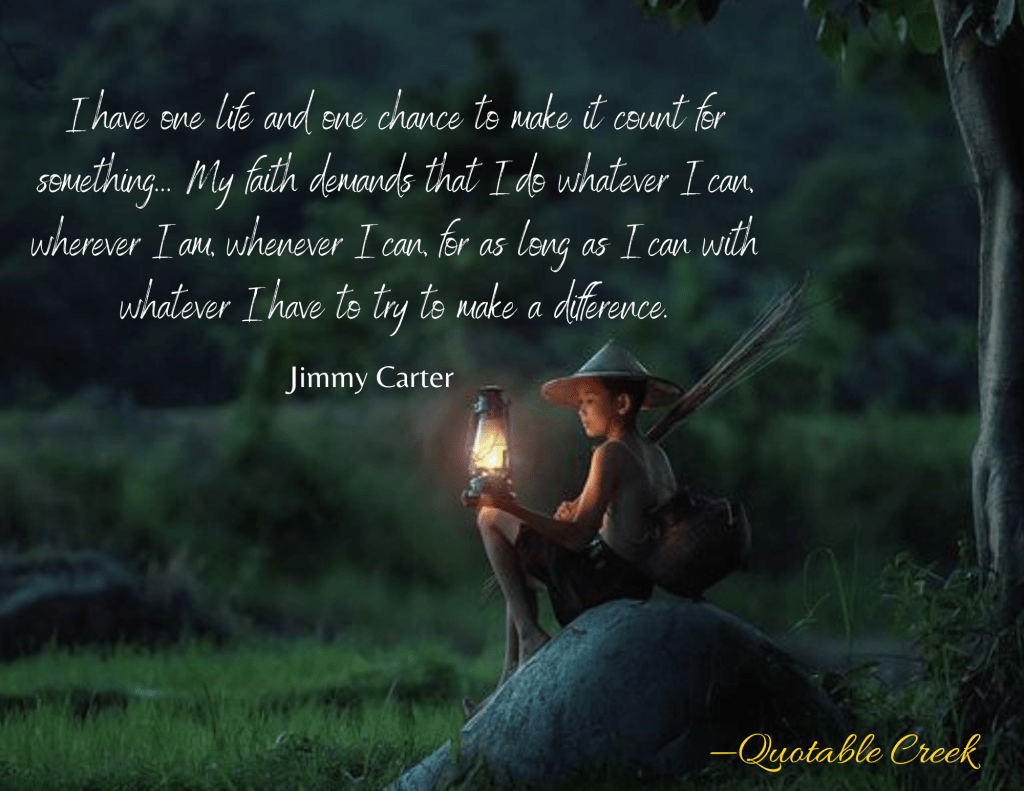
With the news this week that former President Jimmy Carter has entered home hospice care, many people have been sharing stories about his accomplishments in office—his efforts for peace, his push for environmental stewardship, and his efforts toward energy independence, among others.
But his most striking accomplishments perhaps are what he has done since he lost his re-election bid. Rather than retreat to Georgia and exit the public arena, he began building houses for the poor, and working for democracy—a principle he firmly believed in—around the world, and standing up for women’s rights, even when that stand conflicted with his religion, and working to eradicate disease and so on. He has never stopped showing up to make a difference.
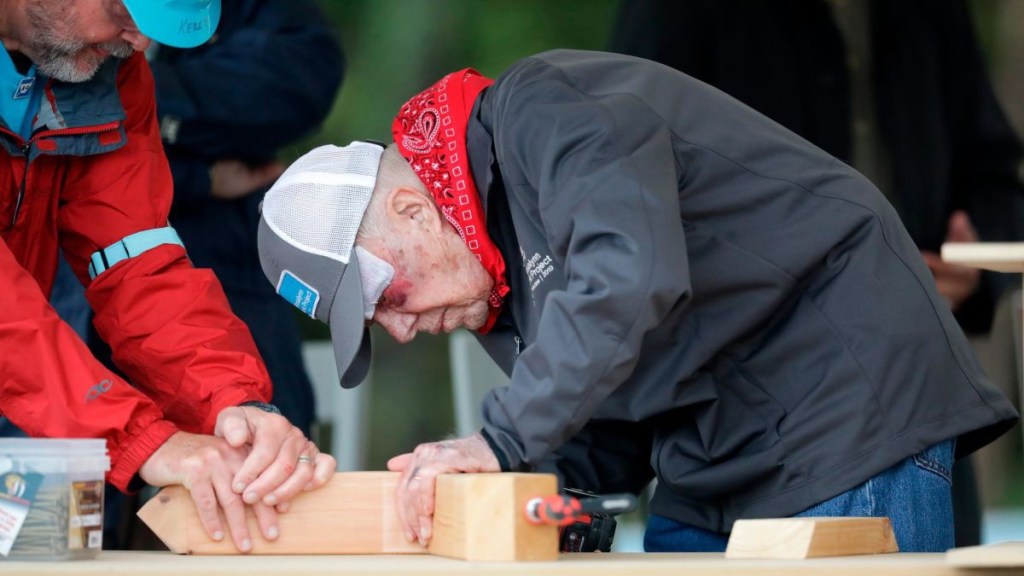
In a world that has grown more cynical and jaded since his entry into the public spotlight, he continues to show us what it means to walk the walk, quietly, humbly, and without fanfare. Here, surely, is a good and faithful servant of God.

 QuotableCreek.com