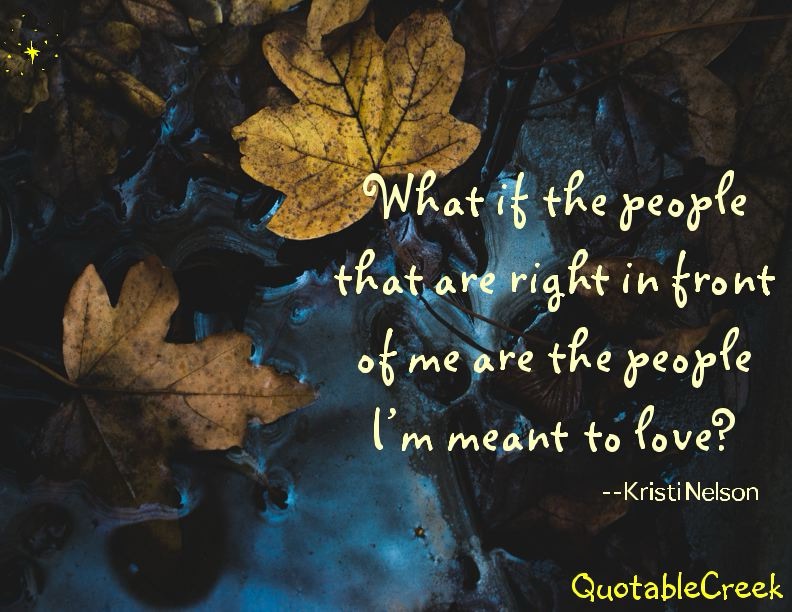
Do you have any disagreeable people in your life? People you avoid, maybe?
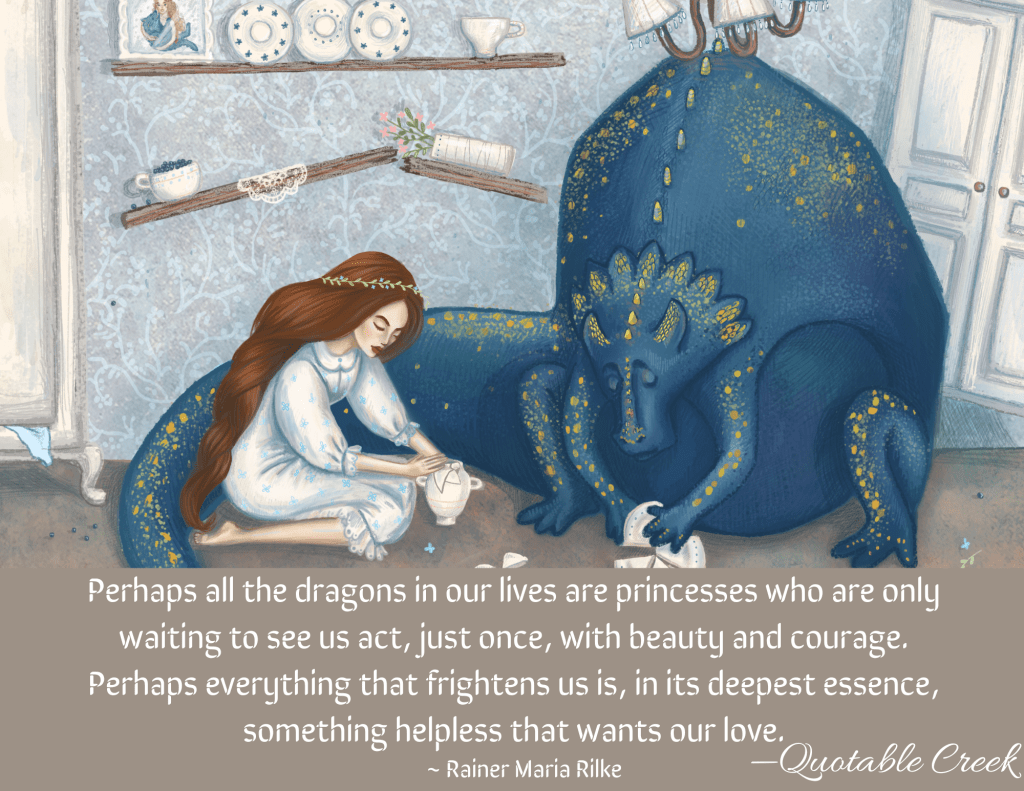
What if they are the ones who need love the most?
Most teachers will tell you that the child who acts out is the one most in need of love and attention. but those kids have learned to ask for it in all the wrong ways. And those children grow up, sometimes into disagreeable adults who still ask for love and attention in all the wrong ways. Maybe they have been disappointed so many times, they’ve learned to strike first, to reject you before you reject them.
Do you know anyone like that?
It’s no particular challenge to love the people who love us. But the ones who rile us, who ruffle our feathers, who are caustic and rude? That takes some serious patience and humility. But, perhaps, that is a place you are desperately needed.
We all hurt right now. Our whole world grieves the loss of what once was. The present turmoil and divisiveness weigh us down. Each of us is struggling.
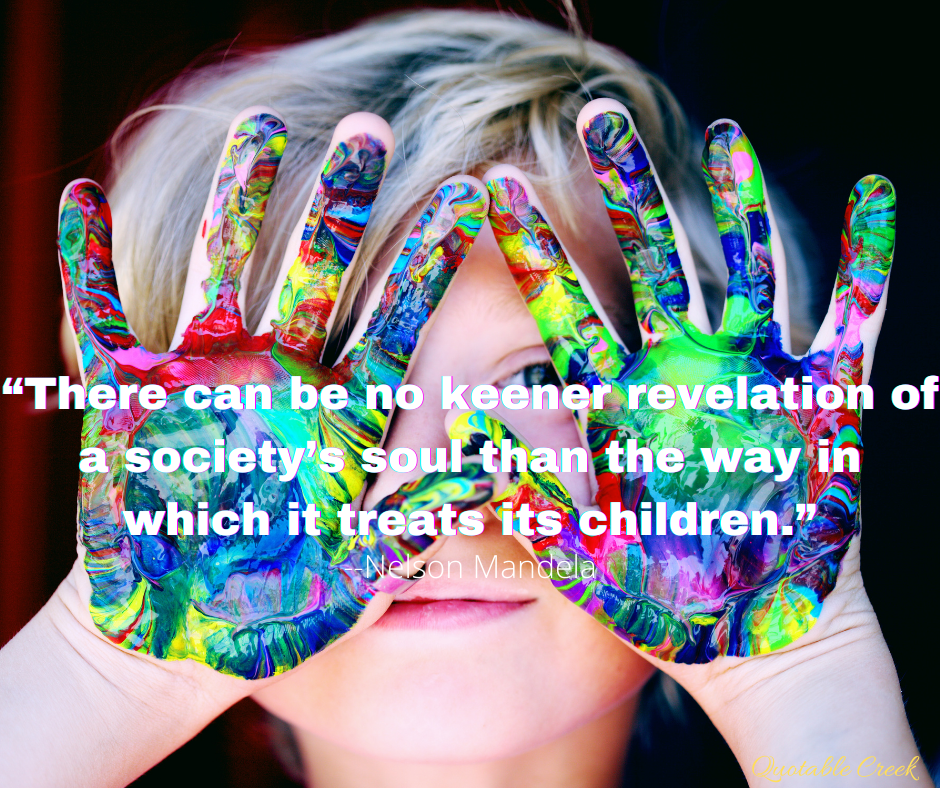
But what of the children? How are they doing? How will they remember this time?
They look to us to keep them safe, to care for them, to put their needs first. They don’t understand the greater turmoil. They see, keenly, what is right in front of them. What is that?
While we may not have a ton of control over world events, we do have control over how we treat the littlest among us. Consider the profound effect your words and actions have on children just starting to be introduced to the world. Temper your anger, your frustration, your dismay. There is no harm in having a full range of emotions, and teaching children that they, too, will be subject to sadness and disappointment, frustration and anger, bewilderment and helplessness as they age. But never let them forget that you love them and are with them and that you will stay in their corners come what may.
And yet most of us internalize myths that we are meant to live pain-free lives and that there is always more time. How much more could we accomplish if we embrace the reality instead?
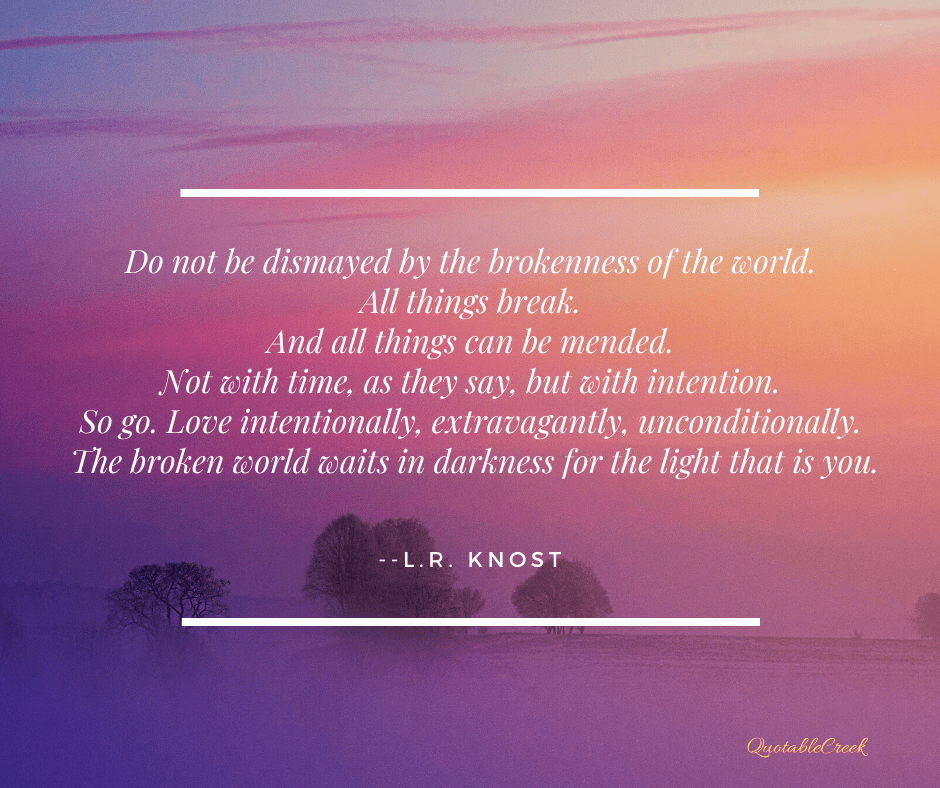
We’re breakable. But our vulnerability is our strength. And when we mend from something painful, we are likely to have tools and skills and sensitivities that may help us and make us more empathic going forward. Breaking and mending is part of growth. Part of change. Part of evolving. To be scared of breaking is to be scared of living.
Time’s short. Now is the time to reach out, apologize, help…whatever it is you’re waiting for a different day to do. There is no promised day. Things don’t just happen. Time doesn’t heal all wounds. We help heal the broken world, and our own broken selves, by continuing to love even in the darkness.
Picture a fussy baby, afraid to fall asleep, but then comforted in his mother’s arms by her lilting lullaby, her breath soft against his face, her song sweet to his ears.
Who among us can’t, at times, relate to that child? The future seems particularly uncertain. Worry disrupts sleep. Anxiety weakens our resolve.
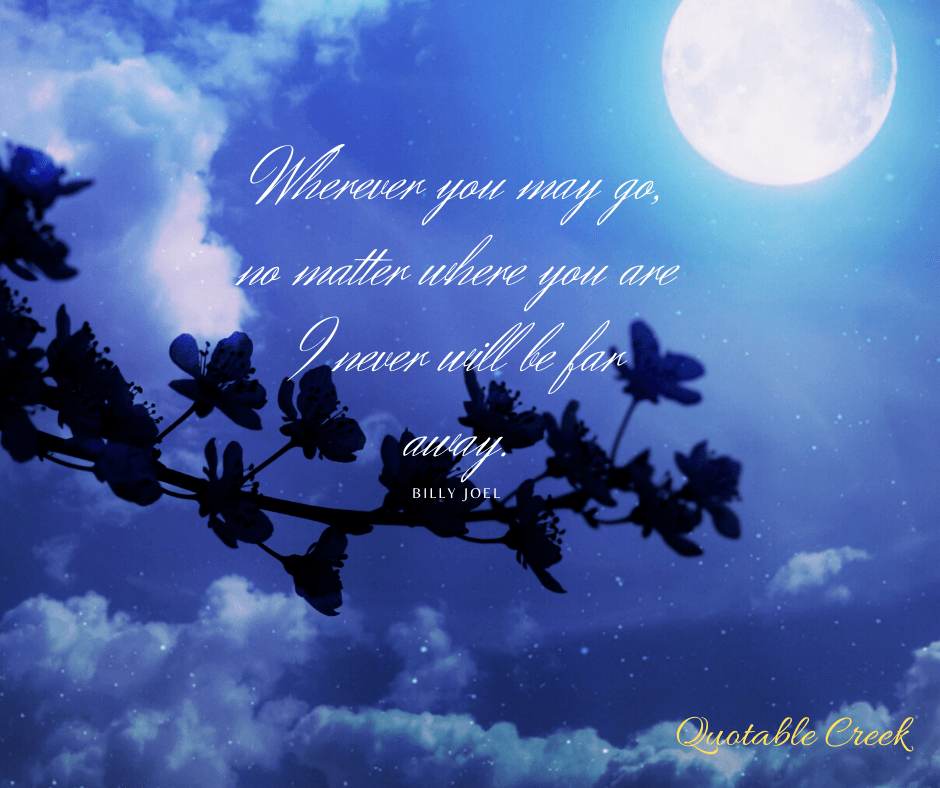
There is something about a lullaby, though, the soft tones, the repetitive melody, the gentleness of the presentation, that can help soothe and relax, comfort and reassure us. The sweet song can reach into our long past baby consciousness and help us rest.
Take a minute to enjoy this beautiful rendition of Billy Joel’s Goodnight, My Angel, by Social Dissonance with soloist Ryan Nagelmann. May it help you find peace.
Oh, child. How I wish for you to have a life without misery and heartache, a world without disillusionment and betrayal, a childhood unmarred by neglect or abuse, a journey without conflict. But, alas, that will not be. We do not live in a utopian world, but here in this world, and you will know sorrow and pain and, as much as I would love to shield and protect you from it, I cannot. There will be dark days, my love.
But you are brighter than the darkness, and, even in your misery, you will find a way to shine. And when you are at your lowest point, I will be there beside you knowing that you will rise again and that this pain will make you more compassionate and humble, more honest and fierce, more determined to make this world a more perfect place, because you, my beautiful child, are not meant to be kept down in the darkness, but to shine.
What questions do we frame for ourselves at the end of the day? What are the questions that have caused us to soul-search and perhaps take a new path? What questions have forced you to look at something a different way?
Sometimes the questions are more important than the answers. There are some that resonate so deeply with us, we may spend a lifetime trying to answer them. In her piece about the beauty of these profound questions, Karen Horneffer-Ginter identifies some that have been meaningful to her:
When used properly, questions have the potential to connect us to the world of another. A heartfelt “How are you?” or “How was your day?” can become the bridge that keeps us in relationship to the lives of those we love. Sometimes, too, questions create a bridge within ourselves, allowing us to hear what’s going on at a deeper level. We know when we’ve encountered a question that has this potential because it stays with us — maybe for the day, maybe for our whole lives. It taps us on the shoulder to wake us up, or it wiggles its way in more deeply, opening us up to seeing things in a new way.
I still recall first encountering Judith Duerk’s chorus of questions about how my life might have been different if there had been a sacred circle to step into. Mary Oliver asking me about my plans for this one wild and precious life, Oriah Mountain Dreamer wanting to know what I ache for and if I dare to dream of meeting my heart’s longing, and Angeles Arrien reminding me of the questions asked in some indigenous cultures: When did you stop singing? When did you stop dancing? I think of my friend Ming, asking me at lunch one day if I thought writing was my fullest and truest expression. All these questions have remained close companions across the years.
The questions that have been consuming my thoughts and are my close companions these days are What does it mean to be welcoming? How does welcome look? How does it change the mix if it is accepted? What are the stumbling blocks to be truly welcoming? Where does fear creep in to inhibit welcome? How will my life be different because I have welcomed another into it? How will it disrupt my comfort zone, and how will I get my ego out of the way to be more accepting?
What are the questions in your heart, questions that are your close companions? And just the framing of those questions can be significant, as she suggests above. Consider the difference between ‘What do I have to do today?’ and ‘What do I get to do today?’ That simple shift helps us move from feeling burdened to being grateful for all the opportunities presented by the day.
What are the questions that have been your close companions? What do you get to do today to help answer them?
Sometimes, when we feel down, we need to evaluate the input coming into our lives. Are we steeped in negativity? Maybe not just news, but the vitriol that follows it in the comments? The political back and forth can get ugly and pull us down. And then we can think about the friends we surround ourselves with. Are they upbeat, trying to make things better, or always complaining?
And, while we don’t want to retreat from fighting the good fight or the friends who are going through a rough patch, it’s so easy for people to tear things down, to find the flaws, to make a conflict, and, when we are around that kind of energy constantly, we can feel beaten down.
But, there is good news to be had, and there are positive people and opportunities to be found. Sometimes we need to focus our attention there, if only for a break from the storm.
Who made the world?
Who made the swan, and the black bear?
Who made the grasshopper?
This grasshopper, I mean-
the one who has flung herself out of the grass,
the one who is eating sugar out of my hand,
who is moving her jaws back and forth instead of up and down-
who is gazing around with her enormous and complicated eyes.
Now she lifts her pale forearms and thoroughly washes her face.
Now she snaps her wings open, and floats away.
I don't know exactly what a prayer is.
I do know how to pay attention, how to fall down
into the grass, how to kneel down in the grass,
how to be idle and blessed, how to stroll through the fields,
which is what I have been doing all day.
Tell me, what else should I have done?
Doesn't everything die at last, and too soon?
Tell me, what is it you plan to do
with your one wild and precious life?
What does it mean to pray? What exactly is a prayer? Is it reciting certain words in unison at a church on Sundays, or is it also something infinitely more?
Is it noticing the creator in the delicate creation? Is it paying attention? Is it being grateful? Is it flinging yourself down on the grass to contemplate not just the meaning of life, but the meaning of your life?
Yes, life is short, over far too soon. But, while we are here, there is opportunity. To pray, to notice, to attend, to use our lives to make a difference.
What is it you plan to do with your one wild and precious life?
Sometimes I feel everything in life comes down to the question, ‘Who is my neighbor?’
We are always asking, ‘This one, too?’ And the answer is always, ‘Yes’.
The felon, the refugee, the homeless person, the enemy, the one who hurt you, the one you disagree with, the one who makes your life hard? Yes, always yes.
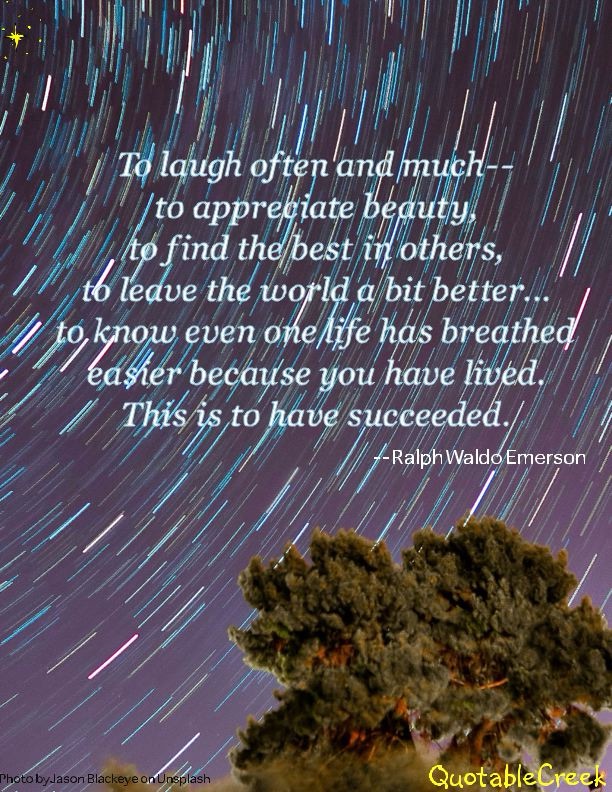
We all want to succeed, but what is the metric for measuring whether we’ve been successful? There are so many. Money, status, power, bucket lists, fame, travel… but what of the little things? Are you successful if you have enough money to buy a small country but no one to love or trust? Is it success if you are famous but lonely? If you have power but wield it to cause pain and misfortune to others, how can that be considered success? If you’ve traveled the world but not been truly present anywhere, does that count?
Perhaps true success at this thing called life is as simple as Emerson’s thoughts above. To leave the world a bit better, to ease the burdens of others, to look for and bring out the best in others, to do no harm. These all matter, maybe not in measurable concrete ways, but in ways we can all feel and appreciate if not count. More important, these are all things we each can do. We have the ability to be successful beyond our wildest imaginings.
And don’t forget to laugh often and much. Finding the joy and not letting it slip right past you undetected is important, too.

 QuotableCreek.com