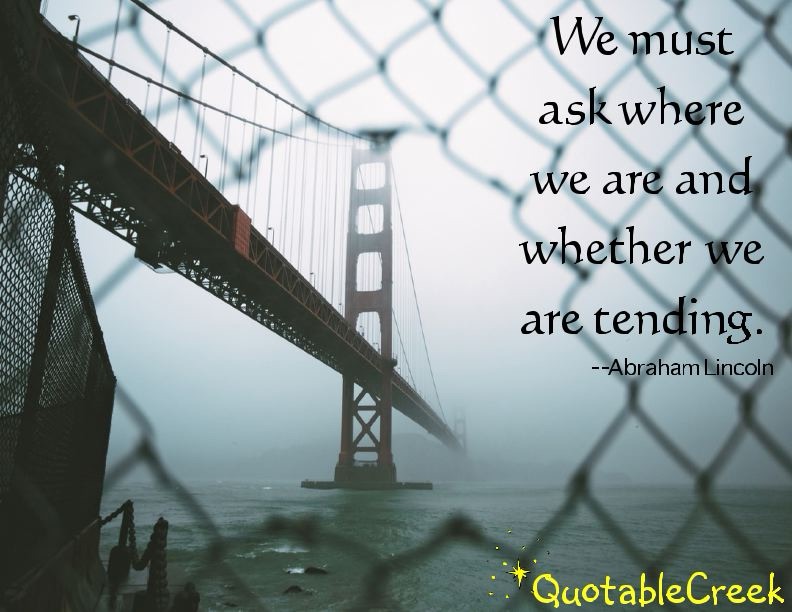
Tending is such a dear word, not much used these days. To tend: ‘to care or look after, to give one’s attention to’. Lincoln reminds us to ask where we are and whether we are tending. Where we are. Are we where we want to be? Are our relationships as tender and loving as we would like? Are we tending? Do we feel someone is tending to that relationship with us? Do we feel tended to?
What are the kind, gentle ways we can tend to our relationships?
When someone tells us they are sad their relationship with us isn’t better, is our first instinct to deflect, blame, ignore, change the subject, shrug, laugh? Or is to pause, breathe deep, and say, ‘Yes, I wish our relationship was closer, too. Where are we? Are we tending? What can we do to better tend our relationship and draw closer rather than shrug and pull away?’
The world is certainly full of shruggers who turn away even from their closest relationships in favor of new friends or less vulnerability. The shruggers, the cynics, the distancers, the superficial. So be it.
But God bless the tenders. That is where the heart is.
Are you lonely? Does your heart long to be heard and understood? For someone to get you? And for you to really hear someone in return? Are you yearning to share your heart’s stories with someone else?
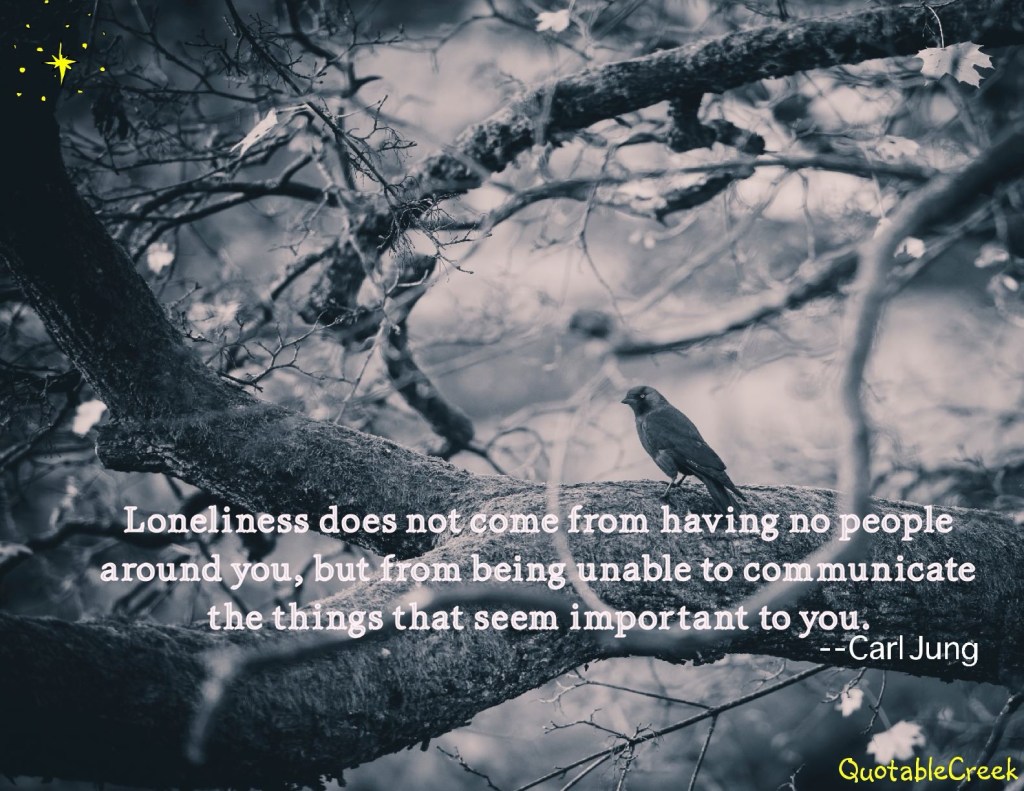
Loneliness has nothing to do, really, with being alone. In fact, the worst way to be lonely might be when you are with someone else but not feeling connected.
Is there a way to ease our heart’s loneliness?
One possibility is to open yourself up. Share your true thoughts and feelings, not the masks you wear in the world, but your true self. And then be a safe place for someone else to be naked emotionally with you. Scary, yes. But what good is it if you’re not being yourself in your own relationships?
To speak to that loneliness in all of us, take a moment to savor this beautiful poem by Mary Oliver and listen for the world calling you into your place in the family of things.
Wild Geese
by Mary Oliver
You do not have to be good. You do not have to walk on your knees For a hundred miles through the desert, repenting. You only have to let the soft animal of your body love what it loves. Tell me about despair, yours, and I will tell you mine. Meanwhile the world goes on. Meanwhile the sun and the clear pebbles of the rain are moving across the landscapes, over the prairies and the deep trees, the mountains and the rivers. Meanwhile the wild geese, high in the clean blue air, are heading home again. Whoever you are, no matter how lonely, the world offers itself to your imagination, calls to you like the wild geese, harsh and exciting — over and over announcing your place in the family of things.
Have you ever had a conversation where what you have to say doesn’t even seem to be part of the conversation? Someone can ask you how you are, and you reply, and they just go on talking about whatever is on their mind as if you’ve not said anything? It’s really more a monologue than a dialogue, since only their concerns are discussed.
It’s frustrating. And lonely to be in that kind of conversation.
Listening is such an easy way to show concern and care for someone else. Responding to what they say, being engaged, asking questions, actually including them in the conversation rather than treating them like they’re only there to hear what you have to say.
In this world of increasing narcissism, self-absorption, and loneliness, listening needs to make a comeback. Not just listening while you’re thinking up what your response will be or how you can divert the conversation back to you and your concerns, but listening. Real listening.
Perhaps the person you’re talking to could really use an opportunity to be heard.
Bless the comforters, those who reach out and see others hurting and grief stricken, and offer them solace. Who sit with those going through difficult times, and give of their presence. Who offer kind, comforting words.
We sometimes think those who are good at comforting don’t know loss of their own, but the opposite is probably true.
As said by Rainer Maria Rilke:
Do not assume that he who seeks to comfort you now lives untroubled among the simple and quiet words that sometimes do you good. His life may also have much sadness and difficulty, that remains far beyond yours. Were it otherwise, he would never have been able to find such words.
Perhaps the only good to come of great loss is the ability to recognize it in others and offer them comfort and companionship.
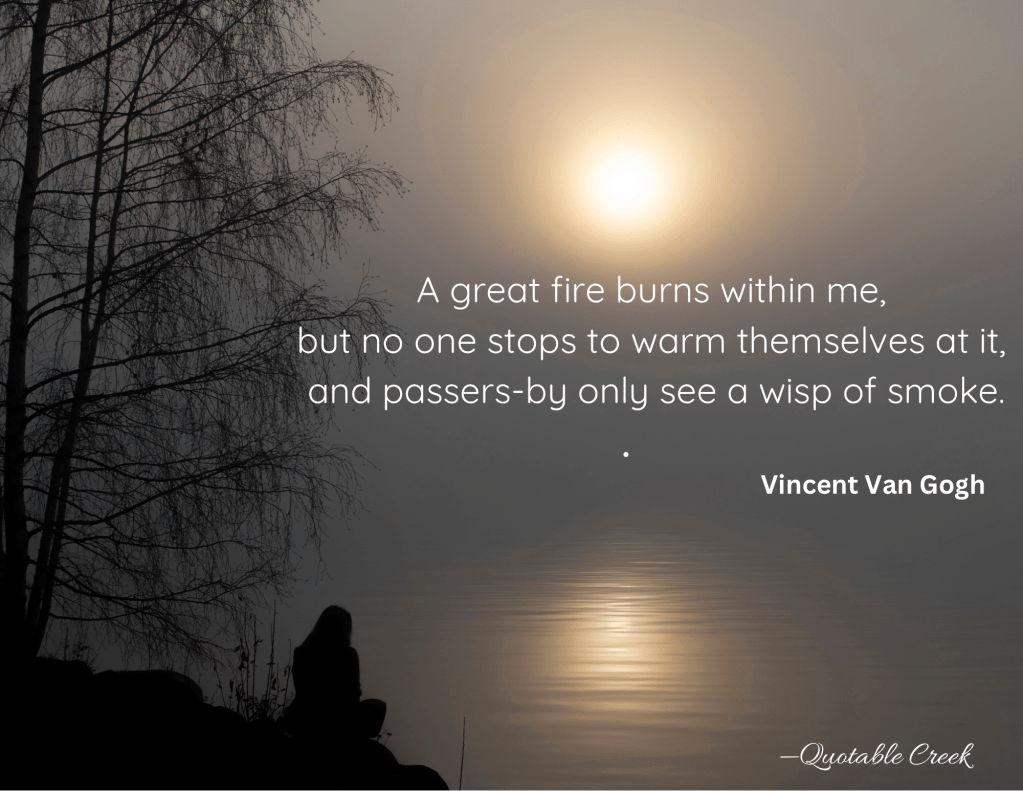
So much of our suffering is invisible. Loneliness, sorrow, depression, not fitting in. We can bind up our own cuts and scrapes, but how do we bind up those kind of wounds?
There is an old parable about heaven and hell. In both, people are forced to eat with spoons that are too long to feed themselves. In hell, they are starving. In heaven, they feed each other.
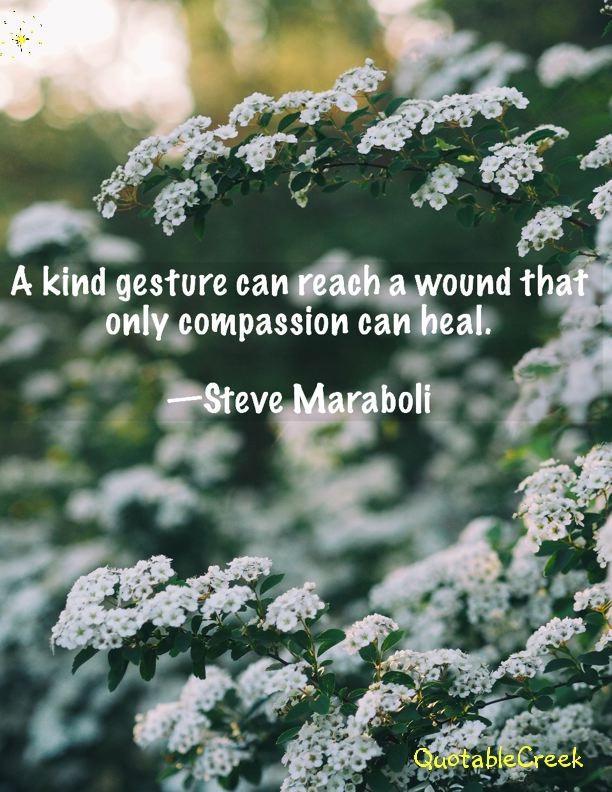
When it comes to these invisible hurts, we are healed by kindness, one to another. We don’t know when we are being kind that it may help someone, but it certainly can’t hurt. And it may be just the long-spooned nourishment that someone else needs.
To inspire acts of kindness today, watch this video of a poor baby elephant stuck in a muddy hole. The gratitude its mother shows its rescuers will melt your heart.
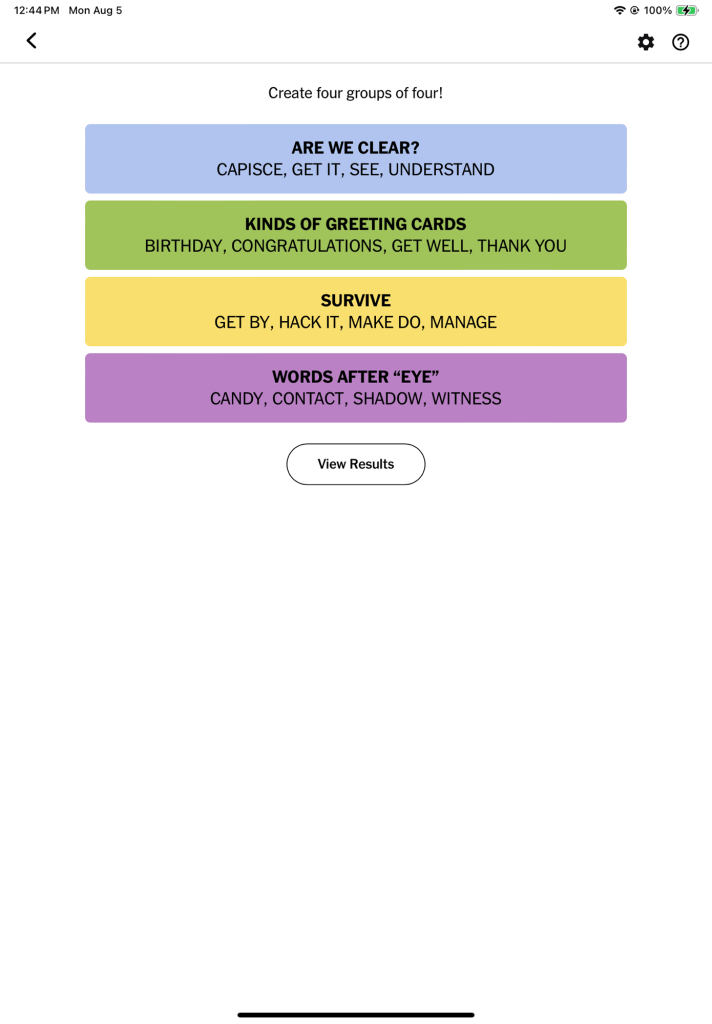
Every morning, I wake up and play games. My favorite these days is Connections, a collection of 16 words that you need to group in four groups of four based on a shared connection. Here’s the solution from one last week:
Now, looking at the solution, it’s easy to see the connections. Not so, though, when the words are all scrambled and the connections are unclear. Words may have more than one meaning or be multiple parts of speech. Often the answers are homonyms or are missing a letter. It can be challenging to find the connections among the words.
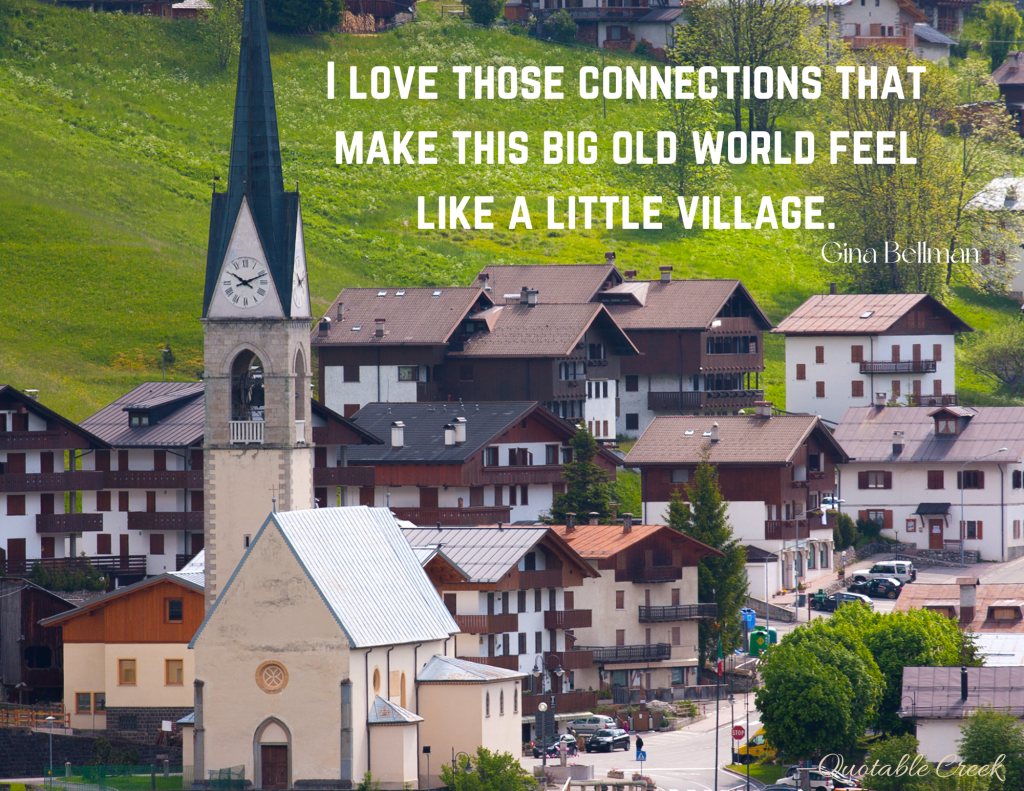
So, too, with the connections among people. There are some obvious superficial connections perhaps— gender, political affiliation, nationality, religion, age. But what of those deeper, hidden ones? How do we find those to help us feel more like a community?
I thought about this when reading an article about how an introvert, Jay Krasnow, made friends. He had struggled to find true connections at work functions or forced social gatherings, but when he dug deeper, to consider the things he was passionate about and find others who shared those passions, he found the connection he was looking for. He explains:
My failure at connecting wasn’t due to a lack of trying. I spent my 20′s and 30′s collecting and studying books on how to network, forge friendships and build character.
Yet, my principal achievement from reading these books was that I became adept at identifying when other people had read these same books. Meanwhile, my networking skills didn’t significantly improve. Even worse, I felt that by reading books with titles like “How to Talk to Anyone,” I was turning myself into a robot that spewed out inauthentic lines to people who I genuinely wanted to know.
There had to be a better way to build relationships.
For Jay, he decided to start a book club, not one reading the same book, but one where you came and told people about the book you were currently reading. It took off, people came. And those relationships centered on a shared passion spilled over into other friendships:
Connecting with other people through books seemed natural, but I didn’t know if anyone would come. I was prepared to read my book quietly if no one else showed up. Fortunately, both my friends came, and we were joined by one other person we didn’t know.
After the first event, more people started coming, and I started making new friends almost immediately.
The group’s membership grew exponentially. It wasn’t long before I was inviting my new friends to dinners and other events. Because we had established we shared a similar passion, it was easy to branch out from there and find other things to do and talk about.
I wonder if this is what the world needs right now— connections based on a shared love or passion. So much of identity seems tied into a shared hatred or shared anger over something. It seems like that just leads to more loneliness and separation.
In the midst of technological connectedness, loneliness is ever present. That need for close human connection isn’t satisfied by clicks and emojis or political jousting. It requires a deeper sharing of oneself. And how frustrating to have stories to tell but no one to share them with.
Imagine what good you can do simply by being that person who can listen to another’s stories. To ease their loneliness.
Emily Dickinson captured this well:
If I can stop one heart from breaking,
I shall not live in vain;
If I can ease one life the aching,
Or cool one pain,
Or help one lonely person
Into happiness again
I shall not live in vain.
Who do you know that might have stories to tell if only there was someone to listen?
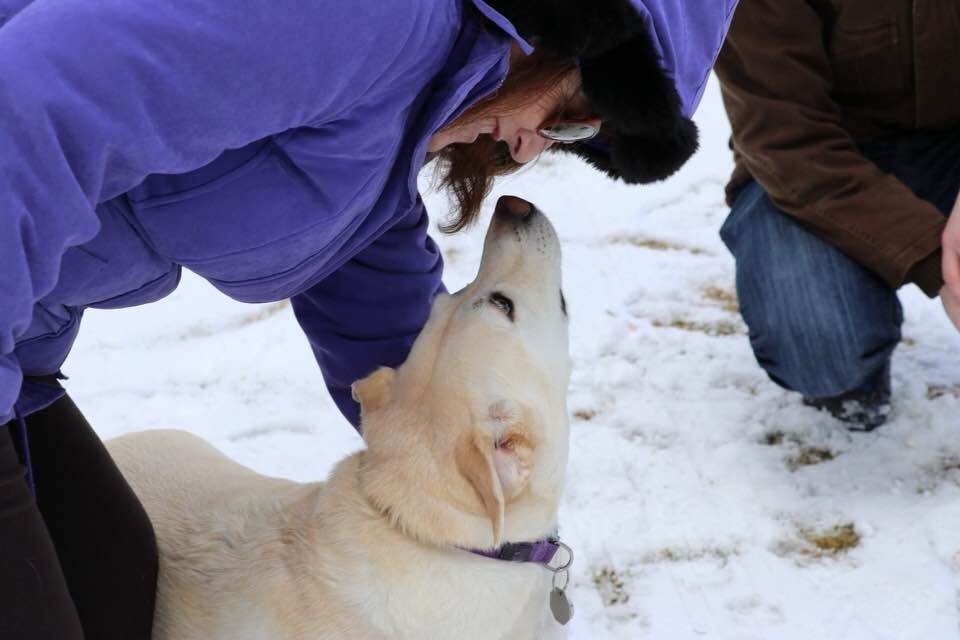
For those of you who know me, you know I recently lost Honey, my beloved dog. Honey was my soul animal, my constant light, my precious girl. I am having trouble accepting that I won’t see her again. The world feels so different without her presence in it. And those eyes. What I would give to look in those eyes again!
Loss is hard. Whether it is of a spouse, a child, a friend, or a pet. We carry a hole with us where that loved one was. But when we sit and consider that relationship and dwell on the things about it for which we are grateful, the loss hurts a bit less.
Smiles replace tears. Warm memories flood our senses. Laughter surprises us. We remember ways we’ve grown or blossomed because of that relationship. Gratitude replaces hurt or anger or grief.
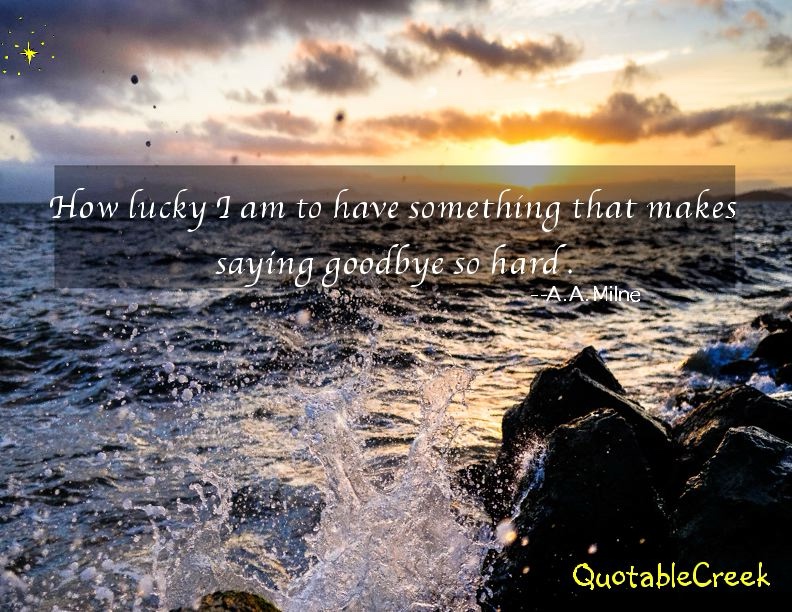
We remember that, yes, we had to say goodbye, but how lucky we were to say hello.
There is a certain alchemy in writing a book. Where do ideas come from? How do they knit together to form a story? What elevates words to resonate with a reader’s inner self? An author may seem like a bit of a magician conjuring elements, or perhaps a conductor taming orchestral components together to make music.
But reading can be even more magical. Words written by a stranger maybe years ago can resonate deeply and touch your soul. Fictional characters can be more real to you than the people you see every day. You can curl up on your couch with a book and be completely transported into another place and time in a way that feels so astonishingly real that when you put down the book, you temporarily lose your bearings. And sometimes you can read something that travels through time and space to speak directly to your troubled heart and give you peace.
W.B. Yeats put it this way:
Where My Books Go
All the words that I gather, And all the words that I write, Must spread out their wings untiring, And never rest in their flight, Till they come where your sad, sad heart is, And sing to you in the night, Beyond where the waters are moving, Storm darkened or starry bright.
Have you been somewhere new recently? Maybe somewhere where everyone knows each other but you? Was there someone there who made you feel welcome?
When we remember what it feels like to be an outsider, we realize how powerful a warm welcome is. How generous the welcomer was to look outside of their usual orbit to notice a stranger and invite them in. A smile is the first step.
For today, consider this lovely poem on smiles and consider who you might welcome. How lucky you are to be in the position to welcome another!





 QuotableCreek.com