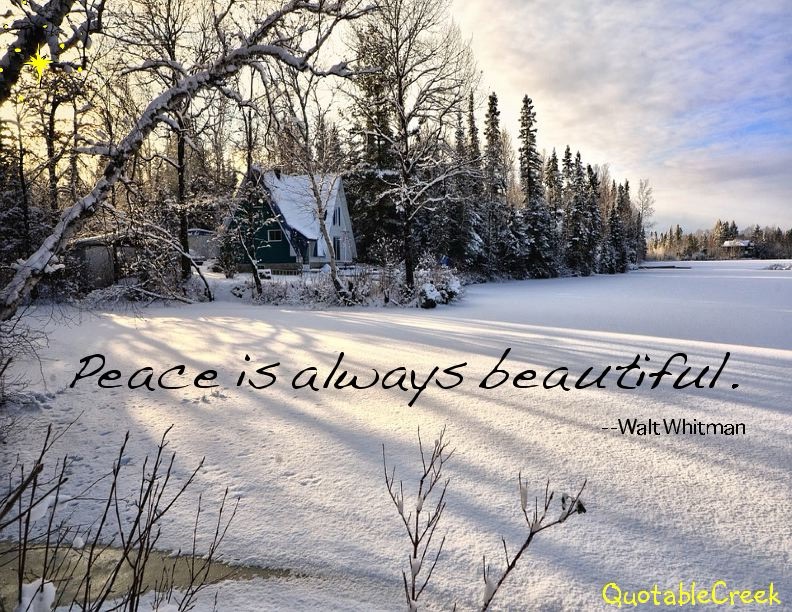
Life is difficult. And complicated. But, with Christmas comes the promise of peace, and we must cling to that. Peace, in the midst of the strife, the disconnect, the disharmony.
Peace as the blue sky still there behind the storm and dense cloud cover.
Peace.
Enjoy this lovely duet from two beautiful voices from our past.
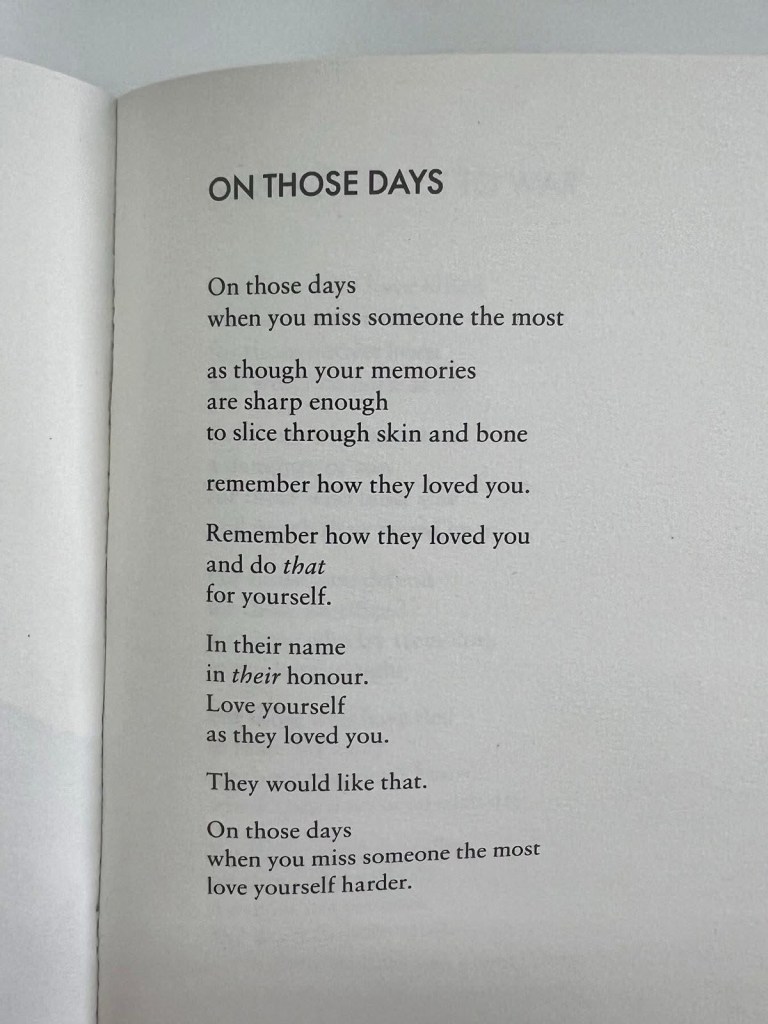
Christmas is a joyful time, but joyful times often bring complex emotions, particularly of loss for the people and loved ones who aren’t with you at the table. We remember times past when we were all together, when things seemed less complicated, when relationships seemed more solid, and we mourn that loss even as we celebrate.
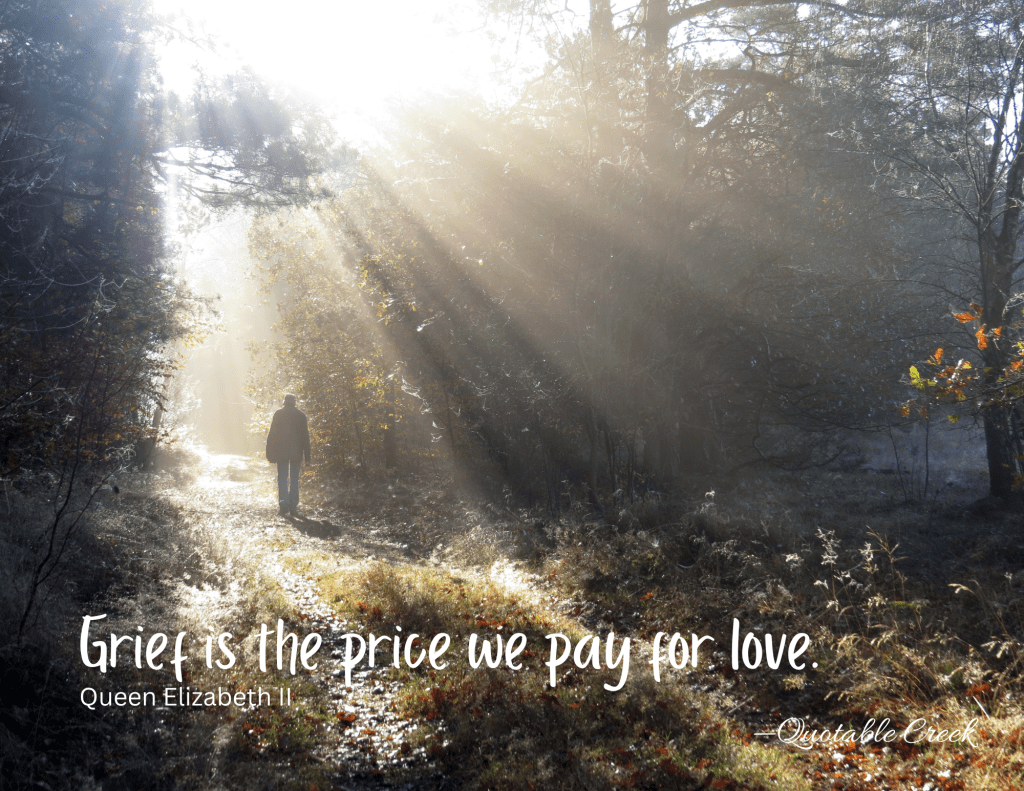
Love makes us vulnerable as there is the possibility of loss. And loss hurts. That’s the human condition. And to try to avoid the pain of loss by never loving would be a far greater loss really. For to miss loving is to miss the whole joy of living.
Grief happens. When we think of grief as the flip side of love, though, we can offer ourselves some solace.
Consider these words by Donna Ashcroft today, and every day. You are loved.
Love isn’t a feeling we fall in and out of. It’s an action we choose to take even when it may be challenging. Sometimes it brings pain. When we think of love as an active verb, like, as Mr. Rogers suggests above, ‘struggle’, rather than as an emotion, it opens our eyes to the fact that we must work at it. It’s a struggle, a constant readjustment and tinkering, constantly expanding our own understanding and empathy. Love is not molding someone to our vision of what they should be, but accepting who they are and supporting them as they blossom. Thinking of love as something more akin to struggle encourages us to keep looking for new and better ways to show up for the people in our lives, to view the relationships as evolving rather than static, and to appreciate all the little successes and breakthroughs in those relationships along the way.
There is something about an anonymous gift that brings special joy to both the giver and the receiver. For the person getting the gift, it makes you feel like the whole world cares, that around any corner is the person who cared enough to make your life special. And to the giver, it strips off all the status and pride and self-satisfaction you may get from a public gift and, with the lusciousness of a secret, fills you with love and gratitude that you are in a position to make a difference.
Consider this delightful story about a somewhat anonymous giver, call him George Walker, and his gift to a young boy in the Philippines.
“Dear Timothy,
I want to be your new pen pal.
I am an old man, 77 years old, but I love kids; and though we have not met I love you already.
I live in Texas – I will write you from time to time – Good Luck. G. Walker”
Now, after President Bush’s death, we have learned that George Walker was President George Herbert Walker Bush, but look at how much joy is in his writing when it is semi-anonymous. He is embracing the true spirit of giving.
For more on anonymous giving, take a look at this feature I wrote on anonymous giving filled with inspiring stories.
What are some things you might do anonymously to spread your love?
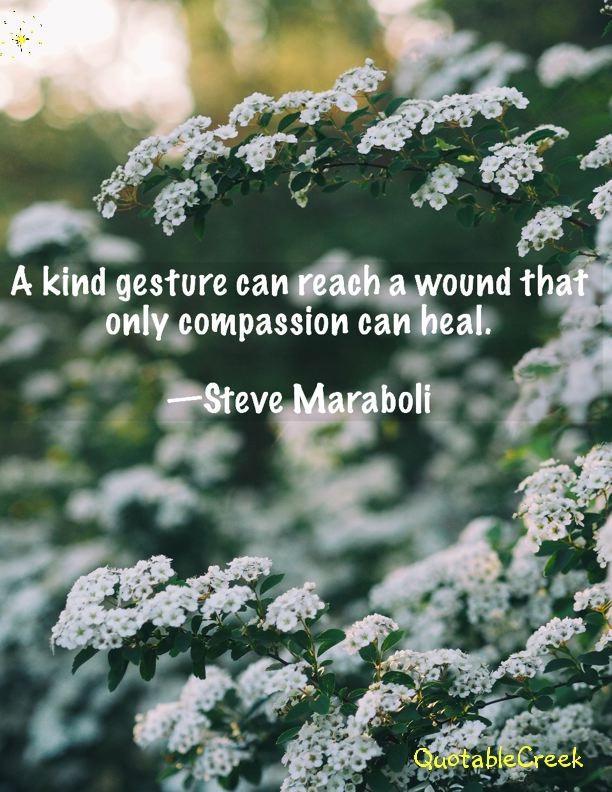
So much of our suffering is invisible. Loneliness, sorrow, depression, not fitting in. We can bind up our own cuts and scrapes, but how do we bind up those kind of wounds?
There is an old parable about heaven and hell. In both, people are forced to eat with spoons that are too long to feed themselves. In hell, they are starving. In heaven, they feed each other.
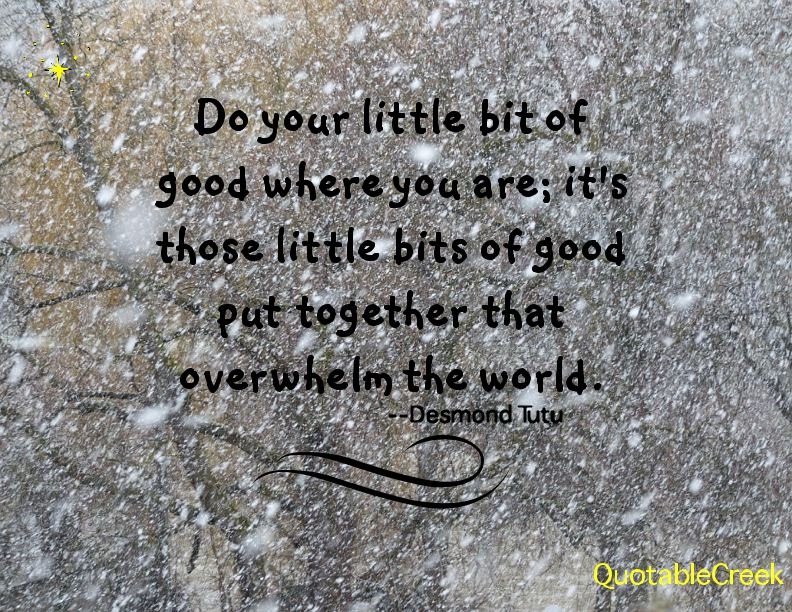
When it comes to these invisible hurts, we are healed by kindness, one to another. We don’t know when we are being kind that it may help someone, but it certainly can’t hurt. And it may be just the long-spooned nourishment that someone else needs.
To inspire acts of kindness today, watch this video of a poor baby elephant stuck in a muddy hole. The gratitude its mother shows its rescuers will melt your heart.
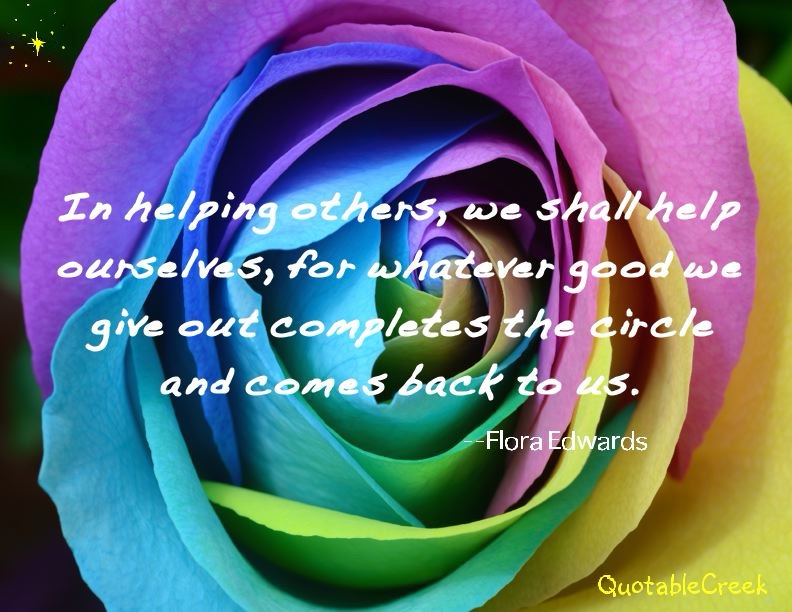
Sometimes we help; sometimes we need help. Sometimes we teach; sometimes we are the student. Sometimes we follow; sometimes we lead. But the truly profound thing in each of these examples is that we are always on both sides of the continuum at the same time. The teacher learns as much from her students as she teaches. The leader who best leads remembers what it is like to be led. And when we help others, it makes us more empathic, more generous, more loving and expands our own humanity. We realize we are one. We are a community that best thrives when all work to help each other.
What is worth fighting for? Sometimes a battle is won in a courageous show of strength and derring do. A fireman runs into a burning building to save a child. A passerby stops to help victims of an accident. A pilot steers a damaged plane to safety.
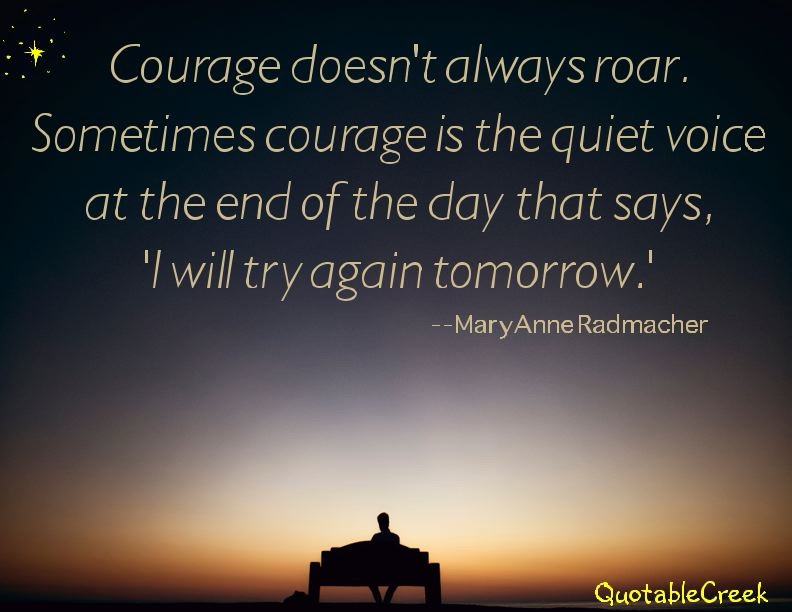
But sometimes the battle requires showing up time after time with love, kindness, and patience. Not giving up on someone. Having faith that love will win. Believing that relationships can be salvaged.
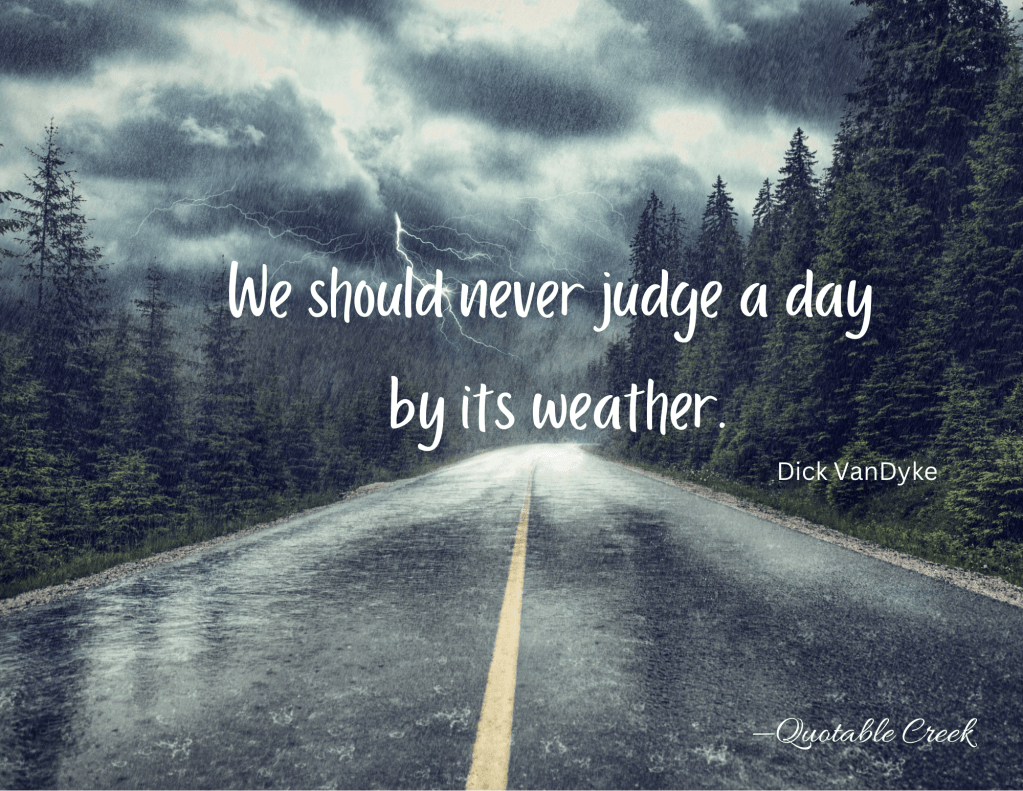
Dick Van Dyke is a national treasure, still singing and dancing his way through life at nearly 100. He reminds us that there are dark times, but behind the clouds the sun still shines. We show up. We do our best. And we realize that not everything is within our control.
He says,
We should never judge a day by its weather. It means you never know what’s going to happen,’ I said. ‘You do your best, then take your chances. Everything else is beyond our control.
Enjoy this lovely interaction between Van Dyke and Chris Martin, a balm for any troubled soul.
Isn’t that the bottom line of Christmas? Strip away all the decorations and gifts and songs and celebrations, and what remains is: love wins. It’s about love. God loves us, and we are to love each other. And even in a world divided by hate, blind to oneness, driven by greed, love will win. Because that’s the point of Christmas.



 QuotableCreek.com