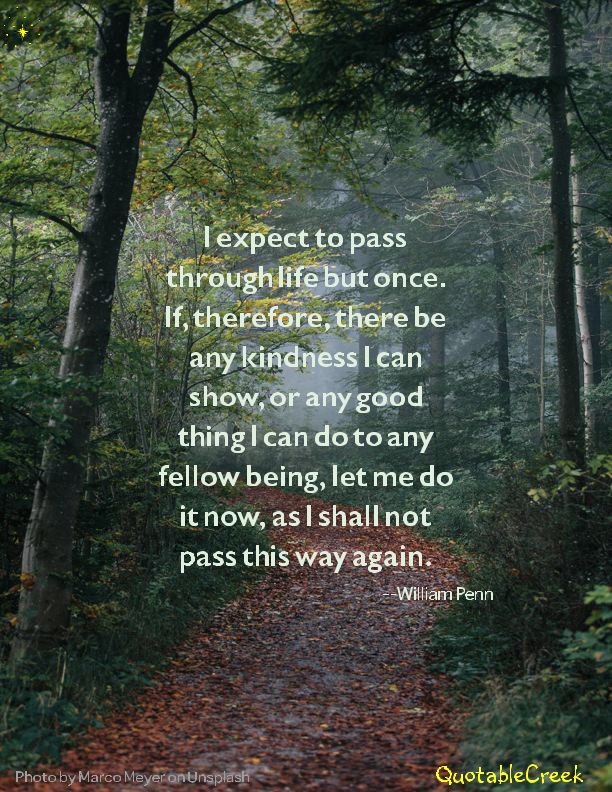
There is an elephant in the room. We don’t talk about it, we try not to think about it, we pretend it doesn’t exist. That elephant is the fact that we are all on a one way journey through this life. Our time is limited. None of us knows in advance when our end of the journey will come, but that end will come.
When we pull ourselves out of denial and gaze directly at this elephant, we can realize something important: our opportunities should be seized now. That good we can do? Don’t put it off. That kind word? Say it. That gift or remembrance? Give it now.
We will not have this place and time and opportunity to make a difference again.
Many are on the front lines of this pandemic, either working in health care or in essential jobs to keep the world moving, while others of us are on the sidelines waiting. We worry about ourselves, but also about our friends and family members on the front lines. Will they be safe? What are the right words to encourage them and let them know we love them?
In this interesting article, health care worker Dorothy E. Novick suggests Ring Theory as a way to modulate our expressions of concern. It works like this:
“I came across an article about “Ring Theory,” written by Susan Silk and Barry Goldman. In this construct, we imagine a person who is suffering, like Margi, sitting in a small circle surrounded by concentric rings. Her dearest relatives sit in the circle closest to her. Best friends sit in the next larger circle. More friends and colleagues occupy the next one. And so on.
“According to Ring Theory, a person in any given circle should send love and compassion inward, to those in smaller circles, and process personal grief outward, to those in larger circles. To Margi and her mother, I should have said, “I love you, and I’ll do everything I can to support you.” And only when talking to others should I have said, “Her suffering feels impossible to bear.
“Comfort in, grief out.
“Ring Theory works for supporting health-care providers during the trauma of covid-19. We are grappling with a complex duality of mission plus terror. We are proud of what we can contribute and passionate about our patients’ well-being. But we are frightened — for our safety, for our patients, for the spouses and children we might expose.”
When we speak with people working in positions of danger, practicing Ring Theory makes good sense. Our comfort, praise, and admiration gives those heroes strength and helps them continue. Our hysteria or forwarding doomsday articles simply doesn’t. In all of this, we should strive to do no harm and let our words offer comfort.
Novick relates a message she received that helped give her comfort, a message that gives us a good example for how we can show up for people in dangerous positions right now:
The message read, “I am holding you in my heart being on the front lines of these difficult times. The professional skill, kindness, support and tenacity you give your patients and your medical community I am sure is a comfort in this darkness. Sending much love, appreciation and admiration.
“My heart rate slowed and my skin warmed over as I read the message. Then I pulled my mask over my face and opened the door to the next patient room.”
That, right there, is the power of the right words at the right time. We each have that power to do good right now.
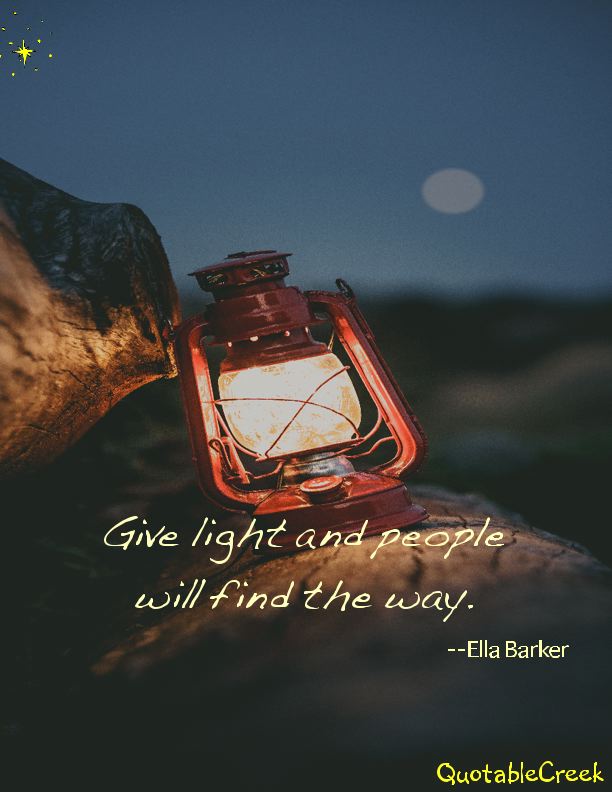
In the darkest of times, people depend on light to find their way. How can we be the light for others? What can we do to inspire hope? How can we help?
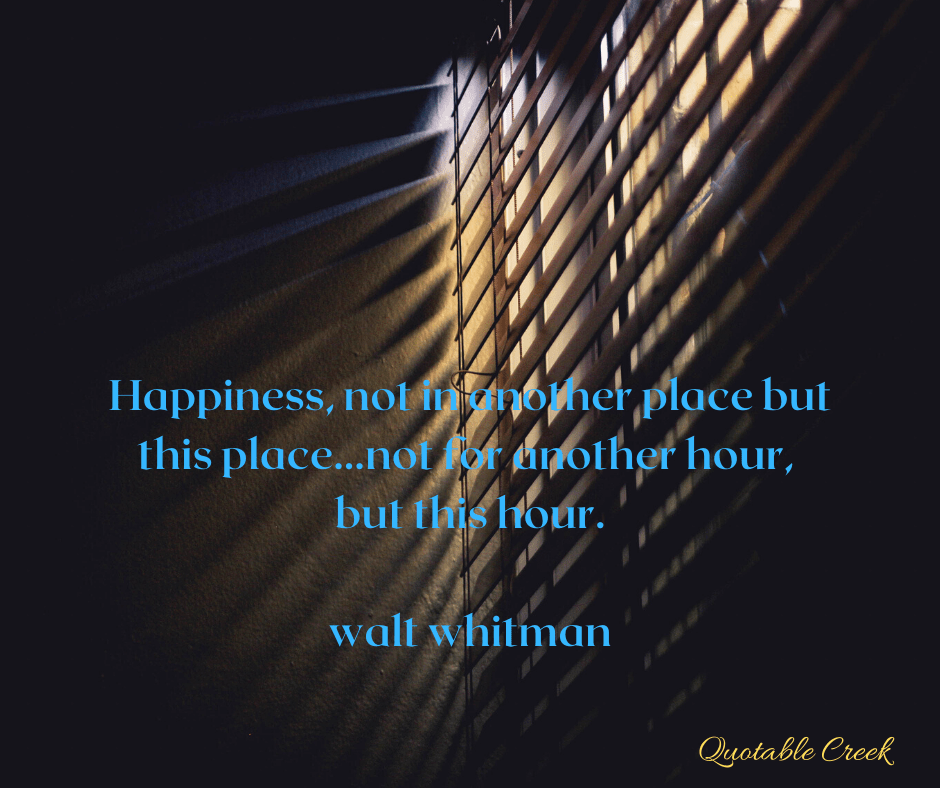
The might have beens are a killer. We each take so many forks in the road, it’s easy to wonder how our lives might be if we had taken a different turn—gone to a different school, chosen a different career, picked a different partner. Those might have beens can keep us up late with longing and despair about the life we currently have. And, more importantly, they can strip those lives, the actual lives we are living, of joy.
Consider this poem by Carl Dennis:
The God Who Loves You
BY CARL DENNIS
It must be troubling for the god who loves you To ponder how much happier you’d be today Had you been able to glimpse your many futures. It must be painful for him to watch you on Friday evenings Driving home from the office, content with your week— Three fine houses sold to deserving families— Knowing as he does exactly what would have happened Had you gone to your second choice for college, Knowing the roommate you’d have been allotted Whose ardent opinions on painting and music Would have kindled in you a lifelong passion. A life thirty points above the life you’re living On any scale of satisfaction. And every point A thorn in the side of the god who loves you. You don’t want that, a large-souled man like you Who tries to withhold from your wife the day’s disappointments So she can save her empathy for the children. And would you want this god to compare your wife With the woman you were destined to meet on the other campus? It hurts you to think of him ranking the conversation You’d have enjoyed over there higher in insight Than the conversation you’re used to. And think how this loving god would feel Knowing that the man next in line for your wife Would have pleased her more than you ever will Even on your best days, when you really try. Can you sleep at night believing a god like that Is pacing his cloudy bedroom, harassed by alternatives You’re spared by ignorance? The difference between what is And what could have been will remain alive for him Even after you cease existing, after you catch a chill Running out in the snow for the morning paper, Losing eleven years that the god who loves you Will feel compelled to imagine scene by scene Unless you come to the rescue by imagining him No wiser than you are, no god at all, only a friend No closer than the actual friend you made at college, The one you haven’t written in months. Sit down tonight And write him about the life you can talk about With a claim to authority, the life you’ve witnessed, Which for all you know is the life you’ve chosen.
We have choice and agency in the life we have. It is there we find meaning and purpose. It is there, in the now, that we can find joy. Embrace that life.
We are each called to new challenges today. To make a difference, to protect the community, to keep our hope alive. Over the last few weeks, we have seen stories of both tremendous generosity and simple acts of kindness. And of compassion and resolve from leaders such as this from Queen Elizabeth.
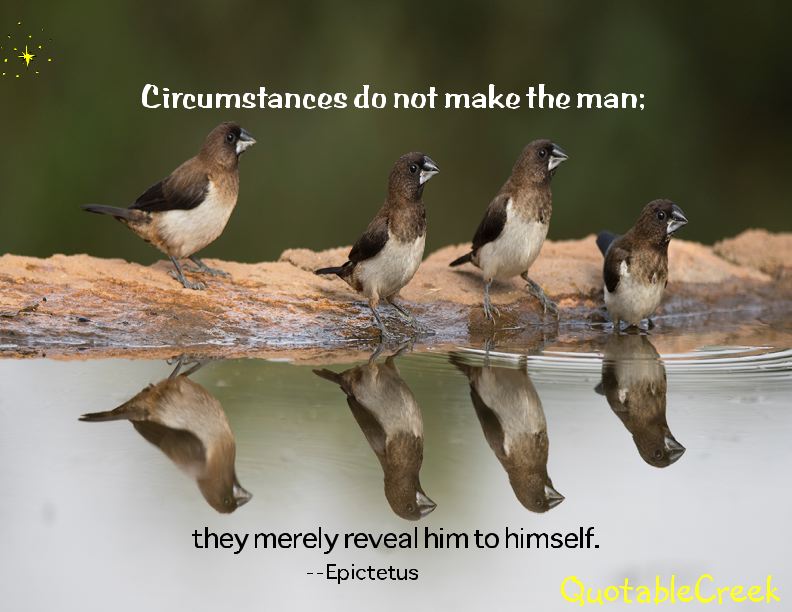
As we move forward, Queen Elizabeth’s challenge to act in a way which will make us proud years from now rings true. How we respond to these times defines us. Consider the acts of this little boy working to secure PPE for his local hospital.
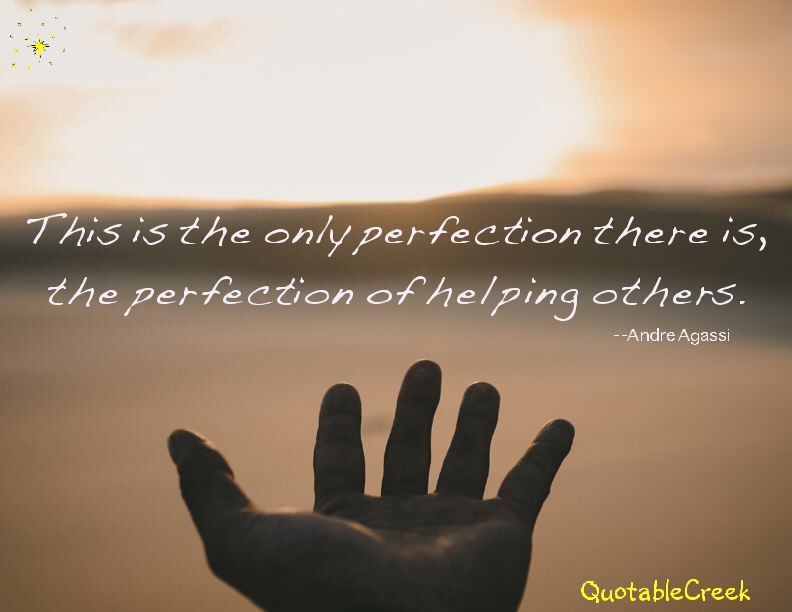
What are we here for anyway? What’s the point? Some people joke, ‘Life is hard, and then you die’, and there’s some truth to that. We are finite. We struggle. But there is purpose to life, and it lies in what we do for others. Andre Agassi says,
“Remember this. Hold on to this. This is the only perfection there is, the perfection of helping others. This is the only thing we can do that has any lasting value or meaning. This is why we’re here.”
Others joke ‘The one who dies with the most toys wins,’ but those things we do purely for ourselves are vanity. Instead, when we use our gifs and talents to reach out and help others, we’ve upped the good in the world. We’ve made a difference.
Though isolated, each of us has the ability to reach out. Phone calls, cards, texts, care packages. Others need to hear from you. They need to know someone cares. And you need to know you care about others. If you have extra, you can share. If you are going to the store, you can pick up something for someone who can’t go out. So many ways to help. And in the helping, we help ourselves as well.
Every bit of good news is a celebration. Every success, a party. Every joy, a parade. Enjoy this summary of the good news of the week by John Krasinsky. It is a delight.
Enjoy this lovely version of Let There Be Peace On Earth by Vince Gill and his daughter. May these words, quotations, and pictures bring comfort to your soul.
Amid a country-wide quarantine in Italy, a beautiful voice sings out into the empty streets, only to be joined by more voices, until their chorus warms the entire world. Enjoy this reminder that, even as we struggle. we belong to each other.
A Siena, città alla quale sono molto legato, si sta in casa ma si canta insieme come se si fosse per la strada. Mi sono commosso pic.twitter.com/IDPqNEj3h3
In every darkness, a bit of light will shine to light your way. It may be in the acts of kindness and generosity you see, in words of wisdom you remember and hold close to your heart, or memories of past struggles that you have gotten through to the other side. We draw strength and courage from each other, working together. That community will sustain us.
In his book, Healing the Divide, editor James Crews collects poem of kindness and compassion. Here is one by Danusha Laméris for you to carry with you today:
“I’ve been thinking about the way, when you walk down a crowded aisle, people pull in their legs to let you by. Or how strangers still say ‘bless you’ when someone sneezes, a leftover from the Bubonic plague. ‘Don’t die,’ we are saying. And sometimes, when you spill lemons from your grocery bag, someone else will help you pick them up. Mostly, we don’t want to harm each other. We want to be handed our cup of coffee hot, and to say thank you to the person handing it. To smile at them and for them to smile back. For the waitress to call us honey when she sets down the bowl of clam chowder, and for the driver in the red pick-up truck to let us pass. We have so little of each other, now. So far from tribe and fire. Only these brief moments of exchange. What if they are the true dwelling of the holy, these fleeting temples we make together when we say, ‘Here have my seat,’ ‘Go ahead—you first,’ ‘I like your hat.’”
We will get through this present darkness. Hold tight to the little kindnesses, savor them, and spread them where you can to light the way for those behind you.
For more, a reminder that we were made for times like these.





 QuotableCreek.com