Hope in the tiniest places.
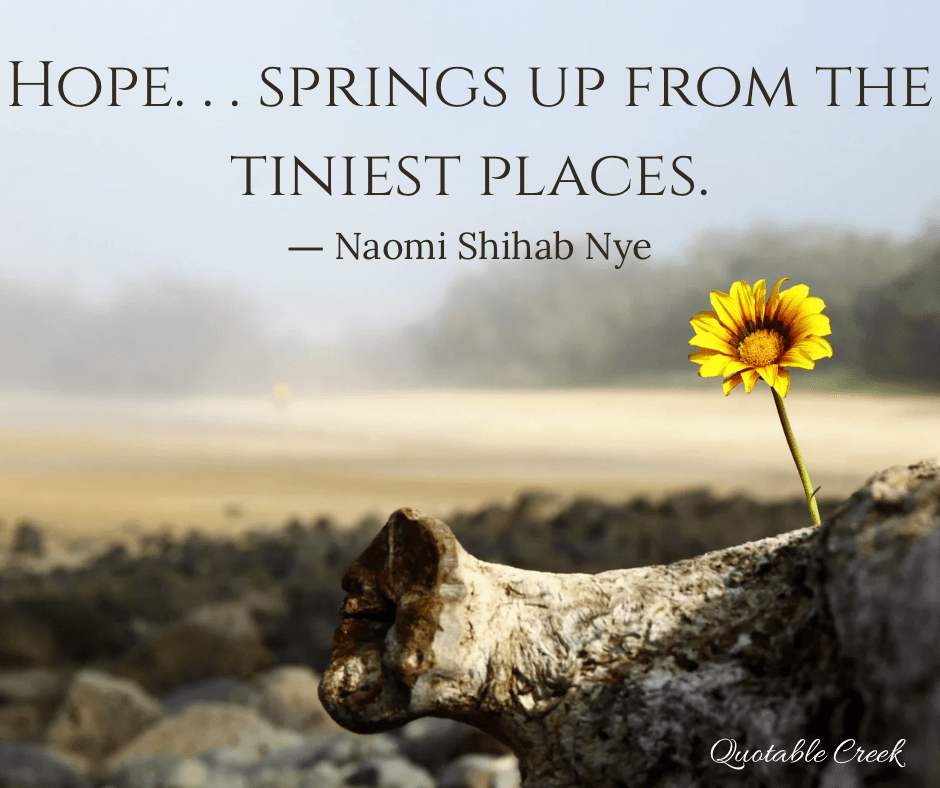
Today, notice signs of hope in unlikely places. In the smile of a baby, the fledgling arguments for peace by a child, the chink in the armor of an opponent.

Today, notice signs of hope in unlikely places. In the smile of a baby, the fledgling arguments for peace by a child, the chink in the armor of an opponent.
Before his crucifixion, Jesus told his disciples: “Peace I leave with you; my peace I give you. I do not give to you as the world gives. Do not let your hearts be troubled and do not be afraid.” (John 14:27.)
Today, as we prepare to celebrate Easter, remember his words and his sacrifice. For a lovely story and song in the Easter spirit, go here:
Grace is upon us
Open your heart
It is doneGrace is upon us
Open your heart
This is love,The Lord is here
This is loveCome to the highest point of the mountain
At the earliest possible moment
With appreciation to MovedByLove.com, consider this beautiful parable of a saint:
The story of the Holy Shadow
Osho
There once lived a saint so good that the angels came from heaven to see how a man could be so godly. This saint went about his daily life diffusing virtue as the stars diffuse light and the flowers scent, without being aware of it. His day could be summed up by two words — he gave, he forgave — yet these words never passed his lips. They were expressed in his ready smile, his kindness, forbearance, and charity.
The angels said to God, “Lord, grant him the gift of miracles.”
God replied, “Ask what it is that he wishes.”
They said to the saint, “Would you like the touch of your hands to heal the sick?”
“No,” answered the saint. “I would rather God do that.”
“Would you like to convert guilty souls and bring back wandering hearts to the right path?”
“No, that is the angels’ mission. It is not for me to convert.”
“Would you like to become a model of patience, attracting men by the luster of your virtues, and thus glorifying God?”
“No,” replied the saint. “If men should be attracted to me, they would become estranged from God.” “What is it that you desire, then?” asked the angels.
“What can I wish for?” asked the saint smiling. “That God gives me his grace; with that would I not have everything?”
The angels said, “You must ask for a miracle, or one will be forced upon you.”
“Very well,” said the saint. “That I may do a great deal of good without ever knowing it.”
The angels were perplexed. They took counsel and resolved upon the following plan: every time the saint’s shadow fell behind him or to either side, so that he could not see it, it would have the power to cure disease, soothe pain, and comfort sorrow.
When the saint walked along, his shadow, thrown on the ground on either side or behind him, made arid paths green, caused withered plants to bloom, gave clear water to dried-up brooks, fresh color to pale children, and joy to unhappy men and women.
The saint simply went about his daily life diffusing virtue as the stars diffuse light and the flowers scent, without being aware of it. The people, respecting his humility, followed him silently, never speaking to him about his miracles. Soon they even forgot his name, and called him “The Holy Shadow.”
This is the ultimate: one has to become the holy shadow, just a shadow of God. This is the greatest revolution that can happen to a human being: the transfer of the center. You are no longer your own center; God becomes your center. You live like his shadow. You are not powerful, because you don’t have any center to be powerful. You are not virtuous; you don’t have any center to be virtuous. You are not even religious; you don’t have any center to be religious. You are simply not, a tremendous emptiness, with no barriers and blocks, so the divine can flow through you unhindered, uninterpreted, untouched — so the divine can flow through you as he is, not as you would like him to be. He does not pass through your center — there is none. The center is lost.
This is the meaning of this sutra: that finally you have to sacrifice your center so you cannot think in terms of the ego again, you cannot utter “I,” to annihilate yourself utterly, to erase yourself utterly. Nothing belongs to you; on the contrary, you belong to God. You become a holy shadow.
Happy Easter!
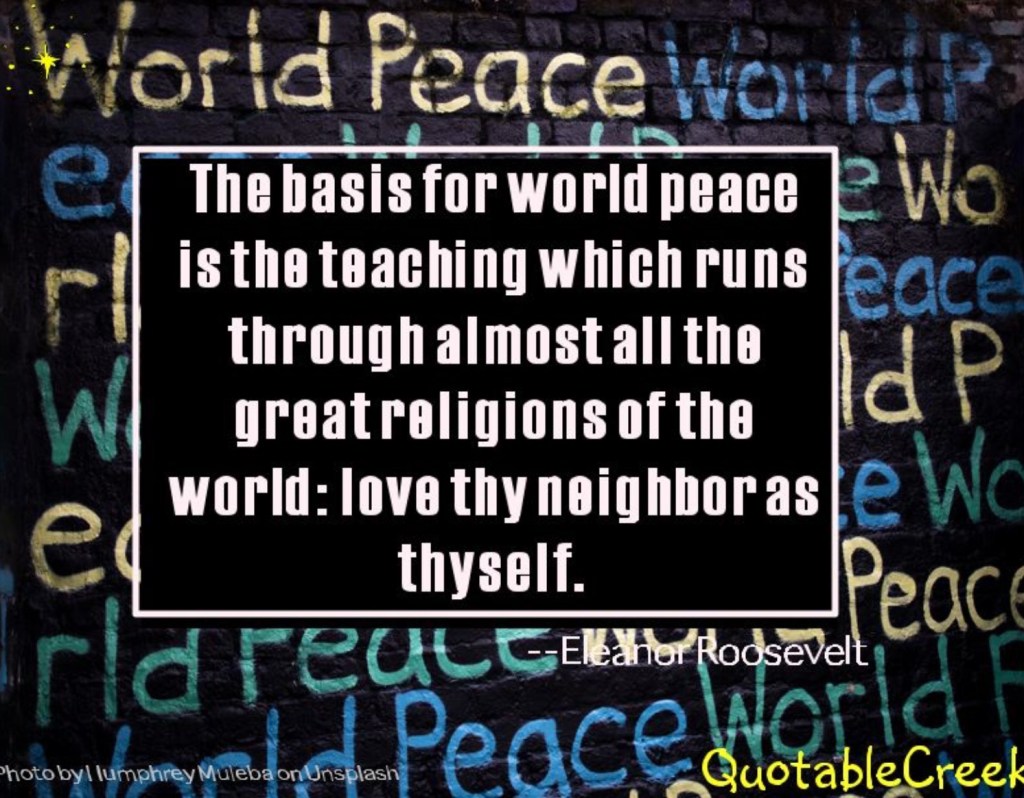
When you have the power, or are on top, or when everything is going your way, it’s only natural to want to strut. You don’t want to think about a time when you might be powerless, on the bottom, or have the world against you.
That’s a downer, isn’t it?
But that’s exactly where religion urges us to go, to think about the world from other perspectives, to consider what life is like for people without your privilege, to have empathy with the unfortunate. Because, after all, if you were in their shoes, wouldn’t you hope they would look out for you?
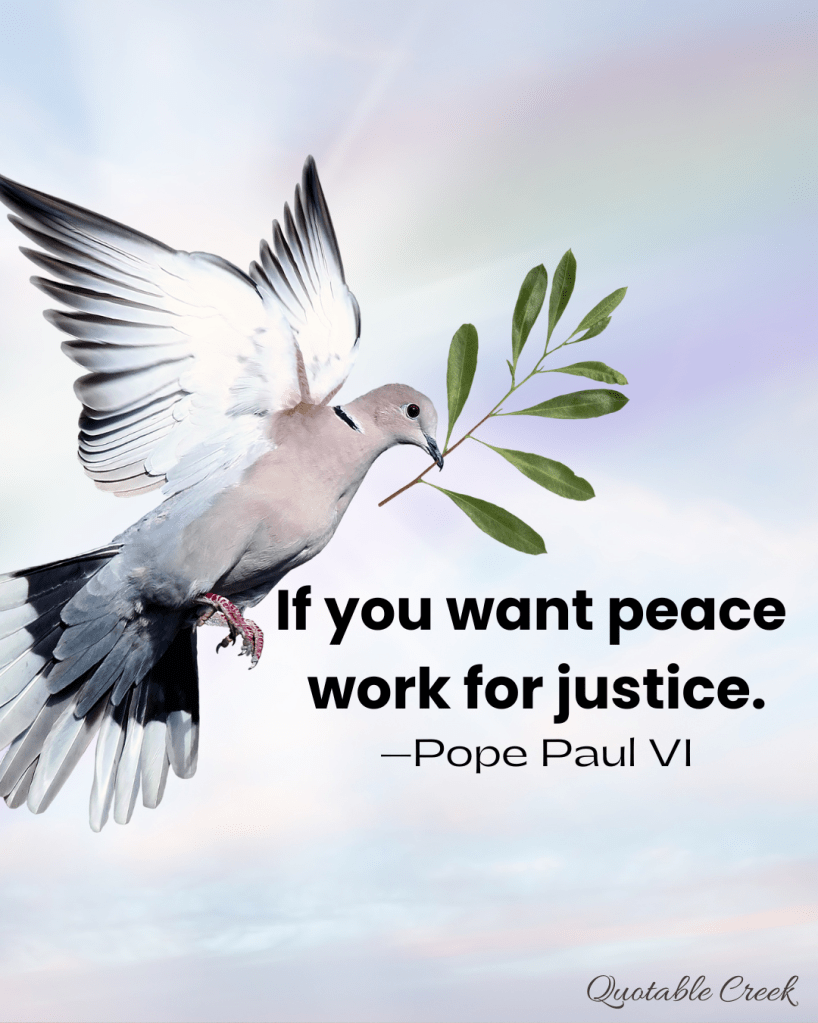
What does justice look like in a world of extreme wealth and extreme poverty? Where the systems in place work to keep furthering that disparity? Is justice possible in such a system?
Abraham Lincoln once said:
As I would not be a slave, so I would not be a master. This expresses my idea of democracy. Whatever differs from this, to the extent of the difference, is not democracy.
Consider this picture:
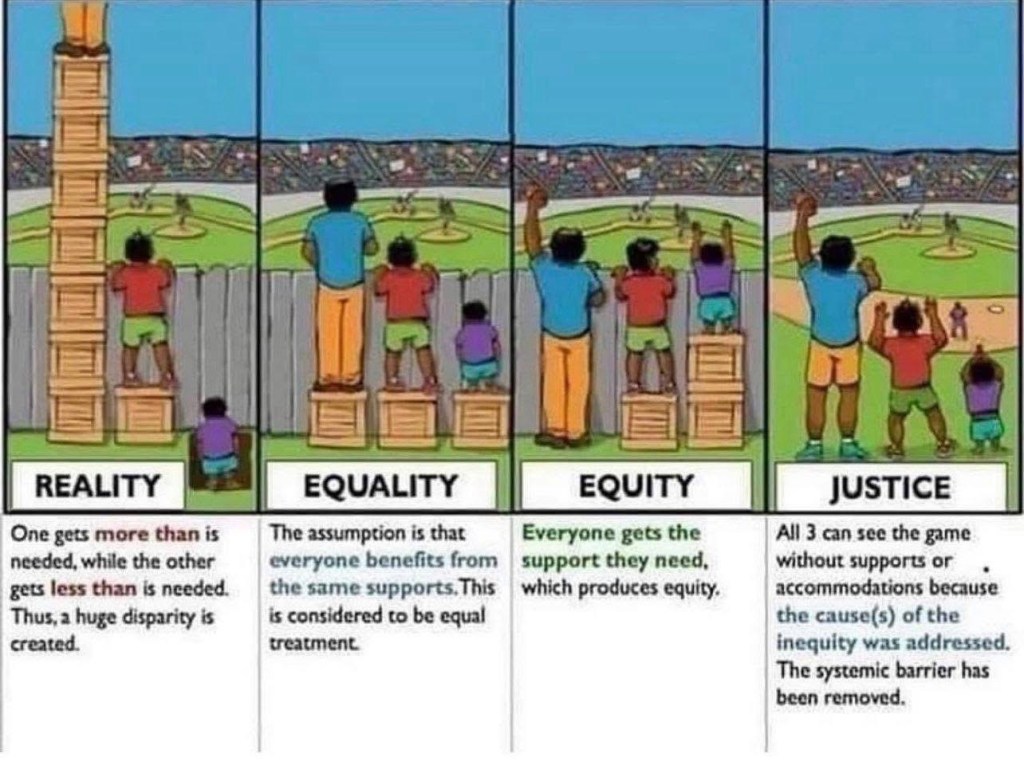
Removing systemic barriers to equity must be the work of those who seek justice, and, thereby, peace. There are those among us who would prefer to see themselves advantaged and others reduced in order for them to stay on top. These individuals may currently have the levers of wealth and power to their advantage. But they are outnumbered. As more people come to understand the graphic above, we can work together toward a more level playing field, and a more just and peaceful world.
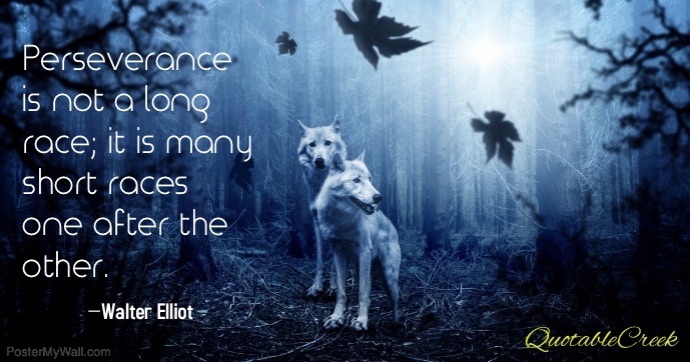
Sometimes things hum along nicely, and you can feel a deep sense of progress in yourself, your relationships, and the world.
Sometimes the opposite is true.
You feel yourself retreating and losing hope. Your relationships fray. Progress in the world is wiped away.
At times like these, we need to hunker down and draw on a well of hope inside in each of us that springs up with the knowledge that we can do better, we deserve better, and we will fight for ourselves and each other to make the world better.
We may not know yet the battleground we will be called to or the terms of engagement.
We do, though, know the weaponry we will fight with.
Love, honesty, integrity, justice, compassion. These tools of the light will vanquish darkness. We can’t forget what is good and right.
Finally, brethren, whatsoever things are true, whatsoever things are honest, whatsoever things are just, whatsoever things are pure, whatsoever things are lovely, whatsoever things are of good report; if there be any virtue, and if there be any praise, think on these things. Philippians 4:8
We must persevere.

Is your life all ups, no downs? Do you ever feel a need to make it look like it is? Maybe to pretend the rough stuff doesn’t exist or put on a big smile to cover a broken heart? Do you ever feel like there must be something wrong with your faith if your life is going badly?
Truth is, bad things happen. To the best, most faithful of people. Life’s struggles can feel overwhelming. You can get to the point where you simply cannot see how someone could think and feel the way they do. You can lose hope.
At times like these you need to breathe deep and get yourself to a quiet place. And it sure would do no harm, and maybe a whole lot of good, to read a poem like this:
The Peace of Wild Things
by Wendell Barry
When despair for the world grows in me
and I wake in the night at the least sound
in fear of what my life and my children’s lives may be,
I go and lie down where the wood drake
rests in his beauty on the water, and the great heron feeds.
I come into the peace of wild things who do not tax their lives with forethought of grief.
I come into the presence of still water.
And I feel above me the day-blind stars waiting with their light.
For a time I rest in the grace of the world, and am free.
And the good news is, you can read this poem, and your soul will calm without even being in that place where the wood drake rests in his beauty on the water. The words of a good poem are like magic. They can heal you and still the churning waters of your soul. And they can help you remember the ‘day-blind stars waiting with their light’, because, yes, we cannot see the stars in the daytime, but they are there. Shining.
May you rest in the grace of the world and find peace.
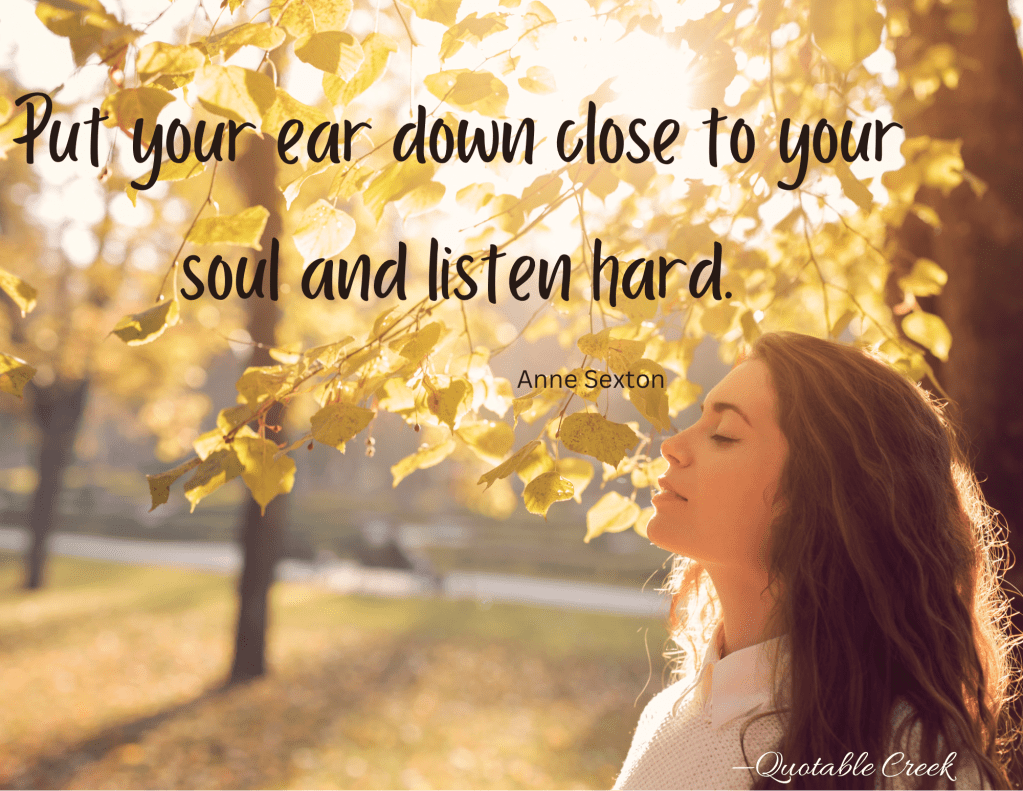
Are these the times that try people’s souls? What does it mean to have your soul tried anyway?
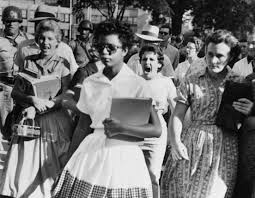
I’ve been thinking about this picture:
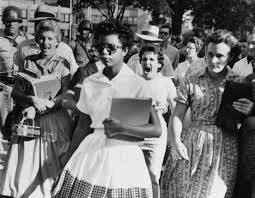
Those faces, contorted in rage, caught for history. This picture, reflecting a military presence during school desegregation, anticipating, presumably, a violent reaction from the mob, freezes a moment in history. I wonder how those women feel looking back on it. Would they be ashamed to have been part of a mob hurling epithets at this young woman? Would they feel contrition?
That period in history was certainly turbulent. Fraught with animosity directed at those seeking an education, because of the color of their skins, the women in the crowd wear their anger and hate openly in their faces.
We too are in turbulent times. Whole industries are churning out content intended to divide us, to make us hate others like the women in this picture? We are fed misinformation and disinformation designed to further these divides. Presumably the motive for this hate industry is profit, but at what expense? Will this hate-filled rhetoric cost souls?
It will certainly try them, and it is our job to protect our souls. To listen deep to the wisdom that seeks love and peace, harmony and cooperation. To deplug from the constant rhetoric of othering and hate.
It’s a loud angry world. Hush and listen to the harmony of your soul.
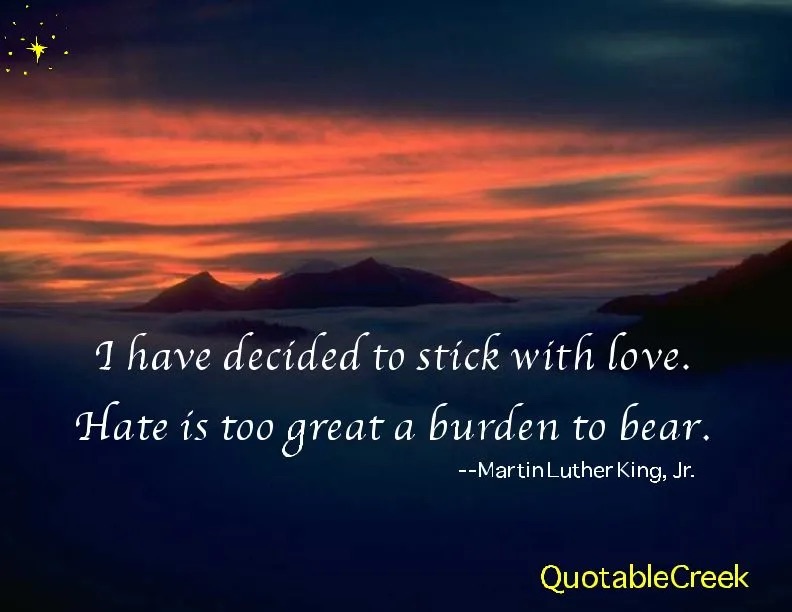
Today is Martin Luther King, Jr. Day. Also Inauguration Day. When we picture King, we picture him as heroic, confident, strong. And these are likely the pictures you may see today.
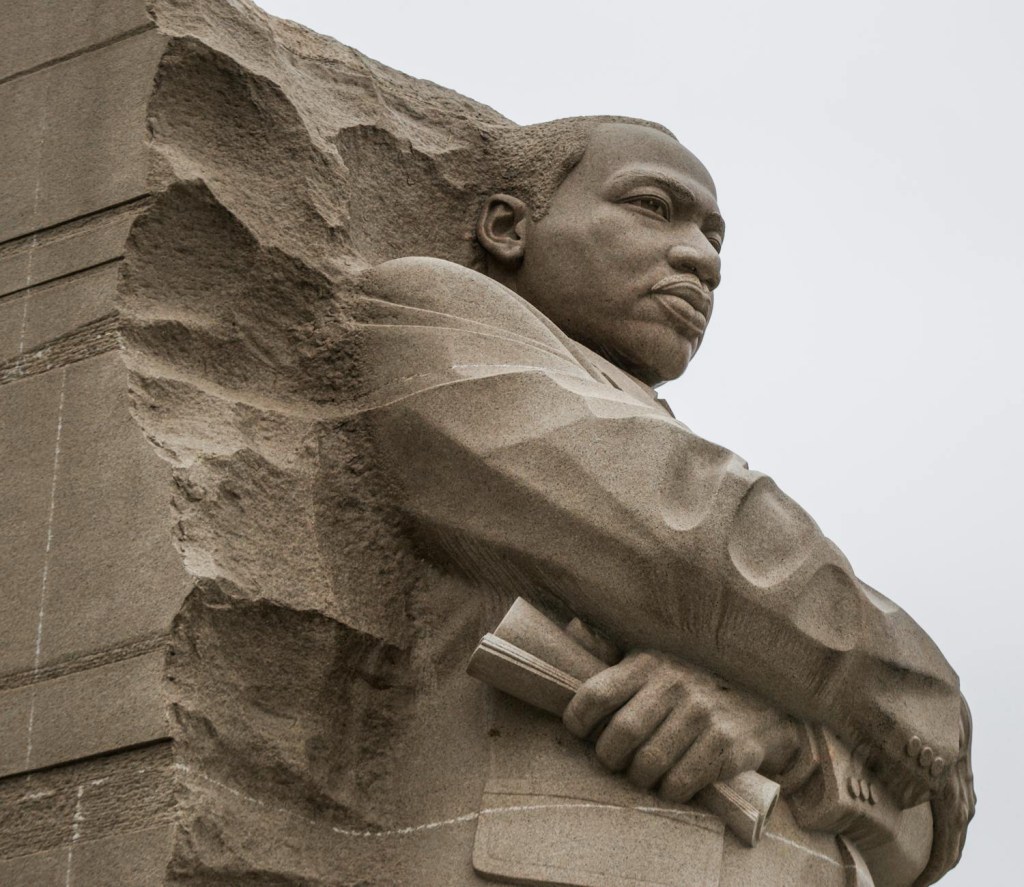
And, of course, he was these things. Championing civil rights and railing against injustice, able to see inequity in the systems around him and dream of a better way. He was an advocate of love over hate and peaceful protest.
And yet, his life was not a peaceful one. He was killed for the beliefs he professed. And much of the progress he made was met with violence and hate.

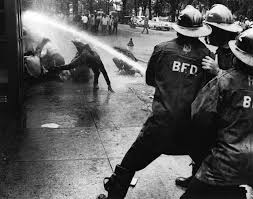
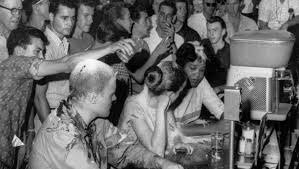
Progress is not a straight line, and hate is ever-present. And hate can be powerful and beguiling and intimidating. And hate can creep into the consciousness of a group, or even a nation.
And yet, I will stand with King for love over hate, all these years later, and do what I can to continue his fight for justice and peace.
Because, even in the midst of hateful people and those who seek to divide, justice and truth are on the right side of history.
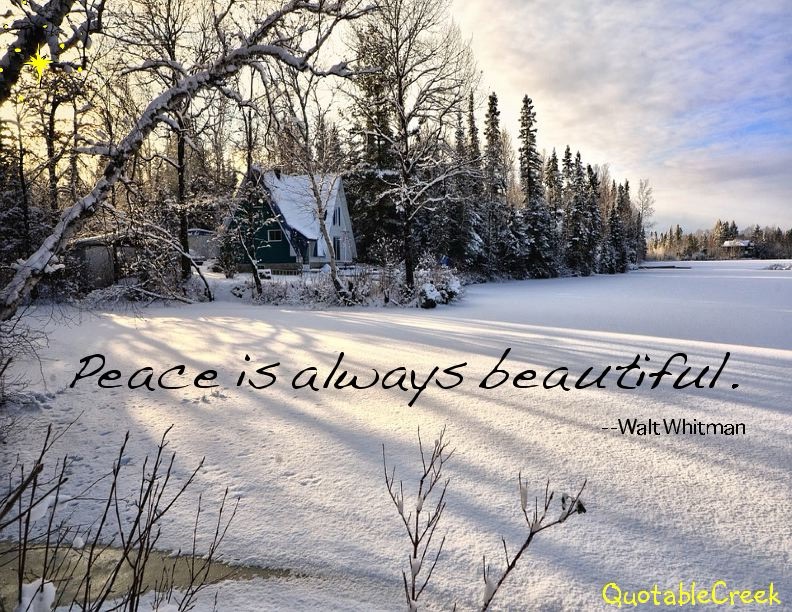
Life is difficult. And complicated. But, with Christmas comes the promise of peace, and we must cling to that. Peace, in the midst of the strife, the disconnect, the disharmony.
Peace as the blue sky still there behind the storm and dense cloud cover.

Peace.
Enjoy this lovely duet from two beautiful voices from our past.
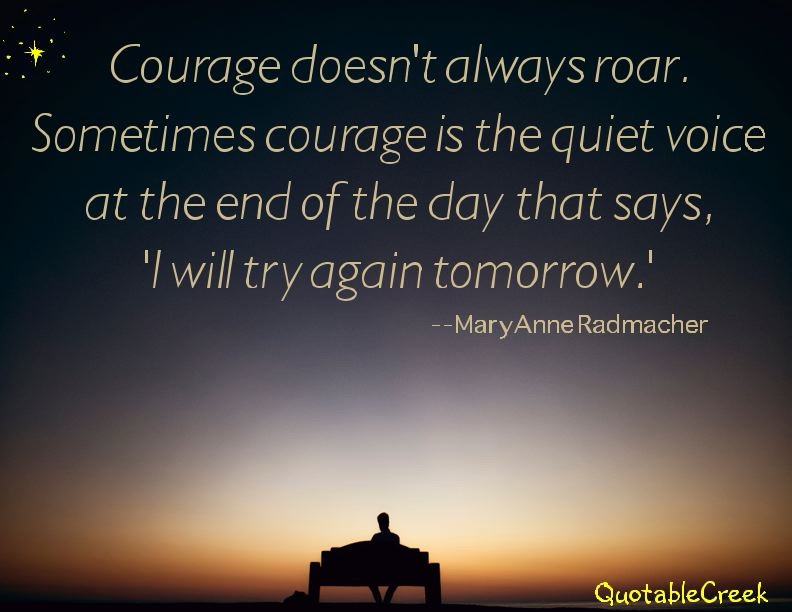
What is worth fighting for? Sometimes a battle is won in a courageous show of strength and derring do. A fireman runs into a burning building to save a child. A passerby stops to help victims of an accident. A pilot steers a damaged plane to safety.
But sometimes the battle requires showing up time after time with love, kindness, and patience. Not giving up on someone. Having faith that love will win. Believing that relationships can be salvaged.
That takes courage, too.
 QuotableCreek.com