Sometimes, when we feel down, we need to evaluate the input coming into our lives. Are we steeped in negativity? Maybe not just news, but the vitriol that follows it in the comments? The political back and forth can get ugly and pull us down. And then we can think about the friends we surround ourselves with. Are they upbeat, trying to make things better, or always complaining?
And, while we don’t want to retreat from fighting the good fight or the friends who are going through a rough patch, it’s so easy for people to tear things down, to find the flaws, to make a conflict, and, when we are around that kind of energy constantly, we can feel beaten down.
But, there is good news to be had, and there are positive people and opportunities to be found. Sometimes we need to focus our attention there, if only for a break from the storm.
The world is changing and unpredictable. It’s hard to know how to plan for our futures.
What will tomorrow bring?
One thing is sure, ten years from now, things will not be like they are today. Rather than consternate over it, maybe it’s easier to learn how to be adaptable.
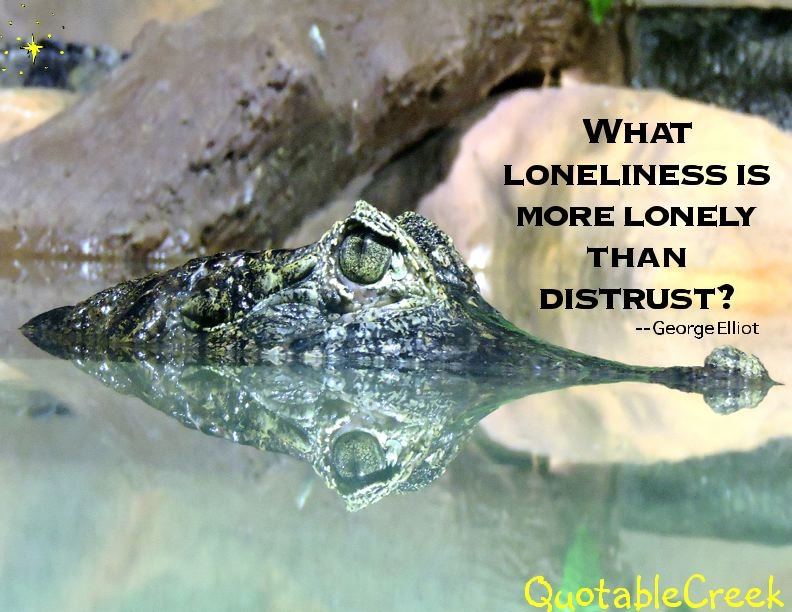
Crocodile tears. Derived from an ancient anecdote that crocodiles shed tears for the creature they are eating; the phrase has come to refer to a hypocritical display of false emotion. Insincerity. Sometimes worse– a show of emotion to lull someone in to sharing their story or revealing their vulnerabilities only to use that information against them. Dante reserved his 8th circle of Hell (out of 9, with 9 being worst) for the fraudulent–the hucksters, the corrupt politicians, the panderers and seducers, the false teachers, the perjurers and liars.
Why are they so bad? Perhaps it is because trust is so sacred, a bridge to community, a link between people that keeps us all from chucking it and living like recluses behind a bush. But also, perhaps it is because we do not come with built in BS meters. We are born trusting; we have to learn cynicism. And the way we learn that is to be let down, over and over, by the insincere. And when that harm makes us close off and guard, we become less than what we really are.
So the solution, it seems, is to fight back, not with insincerity of our own, but with authenticity and vulnerability come what may, to keep putting it out there every day, in every circumstance with truth and love and a whole heart. To be sincere. Authenticity and sincerity will help heal those damaged by crocodile tears, and they definitely won’t land us in one of Dante’s circles.
What can you tell us? With all of your experiences to date, what have you learned that you can pass on to help others? How would you advise your younger self?
For many of us, that advice would be: don’t be afraid. In this delightful video, elders counsel their juniors with some gems on how to negotiate this crazy world.
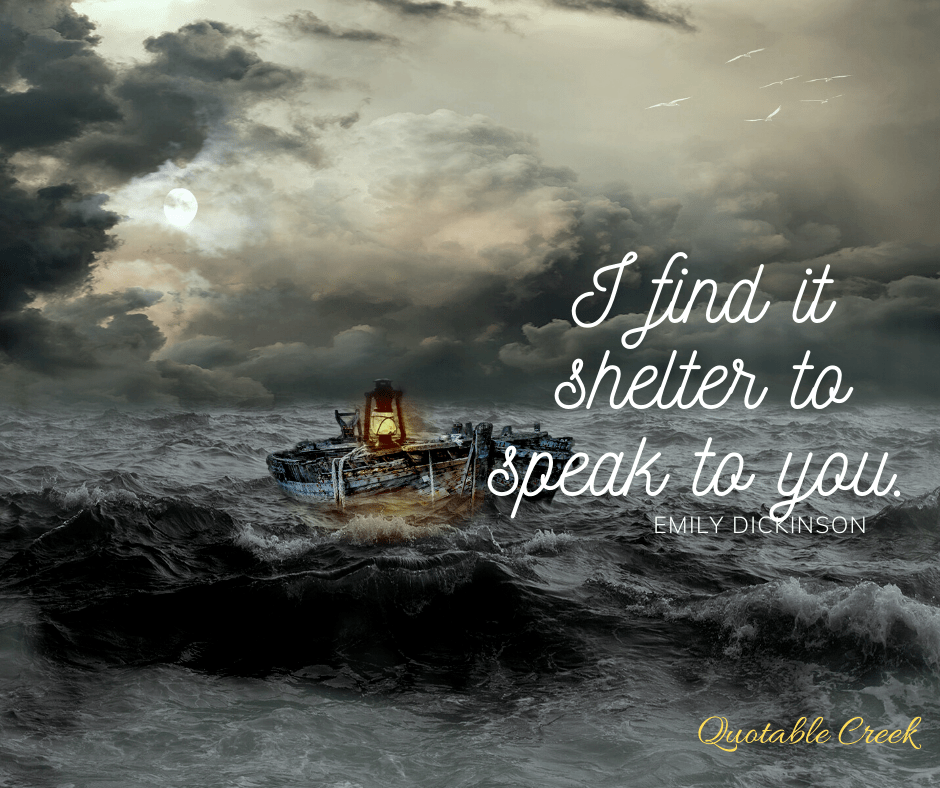
Of all the compliments you could receive, perhaps the best is that you feel like shelter. That, in all the storms and chaos that swirl around us, talking to you feels like safety. Not in the sense of being a yes man or echo chamber, or even in the sense of being able to do anything to stop the storm, but in the sense of home.
“I find it shelter when I speak to you,” says Emily Dickinson. What might we do and say to make someone feel that way? Shelter implies that the storm is still swirling, the elements are still fierce, but talking to you is a respite from that and an entry into something welcoming and safe. A place where you are known, and heard, and cared for. A place of comfort.
Certainly there are plenty of people making themselves someone’s storm. Wouldn’t it be wonderful to be someone’s shelter instead?
What can you do in this increasingly chaotic and exhausting world for someone to find it shelter when they talk with you?
When I was a girl, text books used the term ‘melting pot’ to describe America as if everyone were thrown into one big pot and all the differences were boiled out, with America becoming just one big homogenous pot of glop. But better metaphors have popped up in the years since. Such as a salad bowl:
We don’t need a melting pot in this country, folks. We need a salad bowl. In a salad bowl, you put in the different things. You want the vegetables – the lettuce, the cucumbers, the onions, the green peppers – to maintain their identity. You appreciate differences.Jane Elliot
But perhaps my favorite is Jimmy Carter’s:
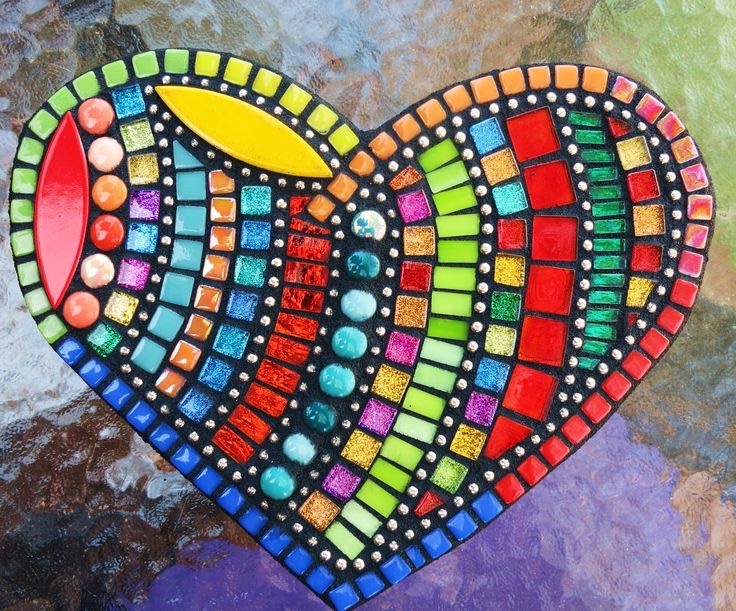
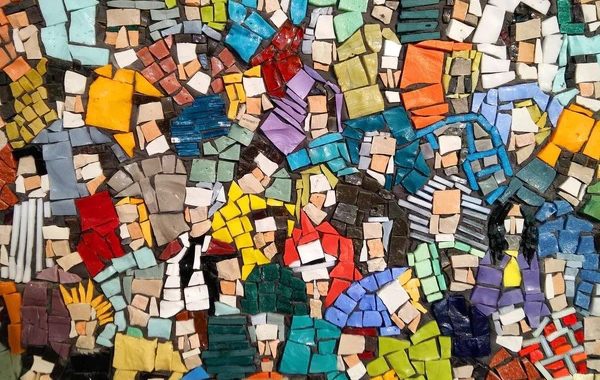
We become not a melting pot but a beautiful mosaic. Different people, different beliefs, different yearnings, different hopes, different dreams.Jimmy Carter
I love the idea of a mosaic to define America—beauty in all the bits and pieces, each a small distinct individual unit but also a necessary part of a larger picture.
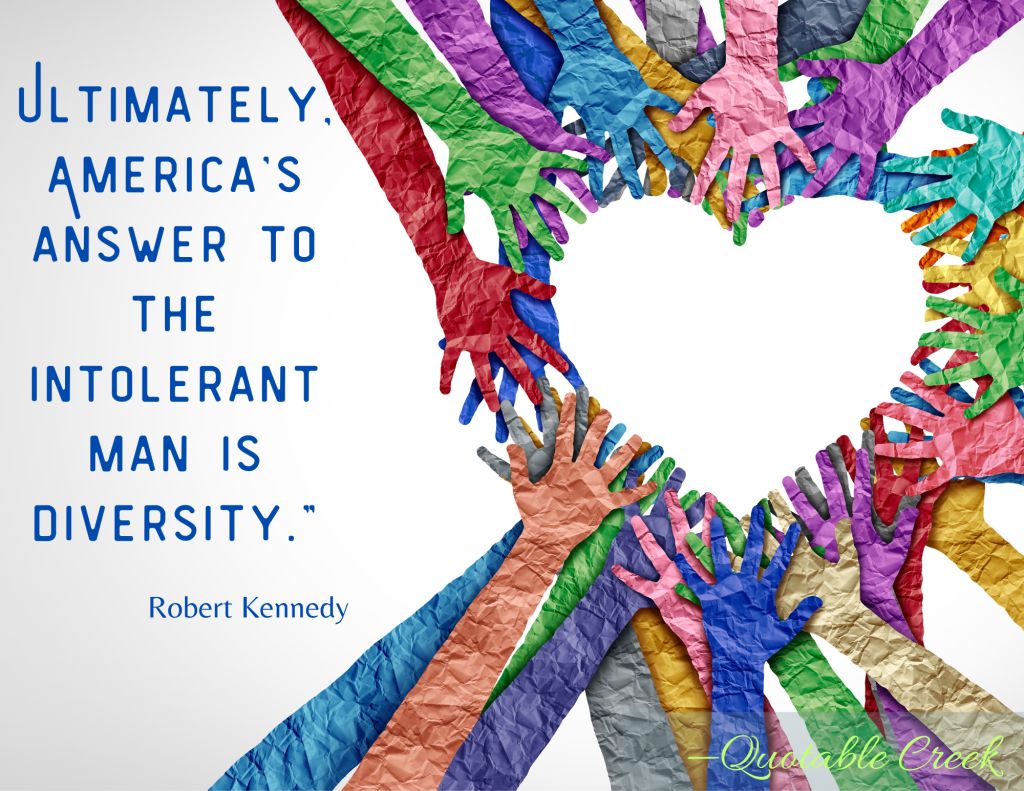
No matter how you describe it, America at its best, living up to its ideals, is stronger because of its diversity, the unique perspectives, the mix of voices, backgrounds, cultures, and traditions.
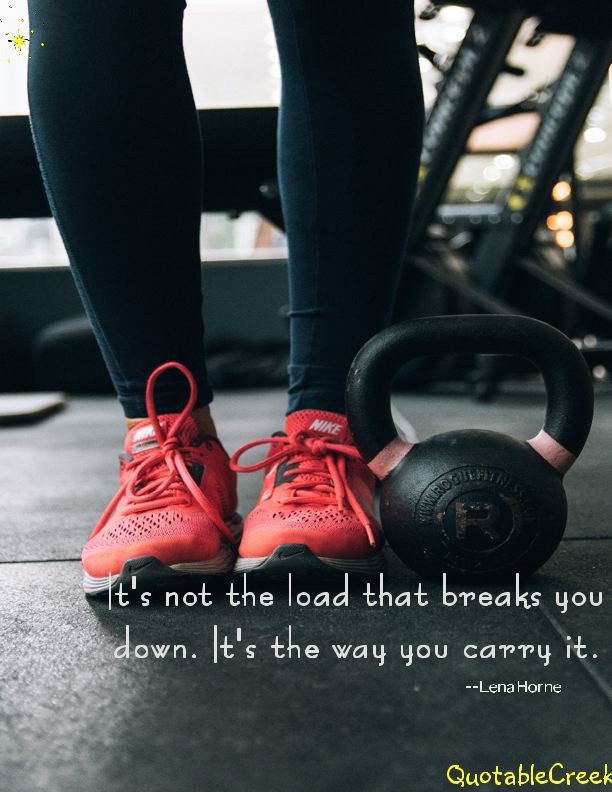
We are weighed down. The tasks ahead seem dauntless; the burdens great. There is so much to be done, and seemingly so little time. Yet, we know that others before us have been able to carry heavy burdens with grace and inner strength. How do they do it? Some ideas:
Evaluate your load. Is it really yours to carry? Holding on to other people’s problems is debilitating because we have no control over their actions. Similarly, feeling like you’re bearing the weight of a global problem on just our own shoulders is both unrealistic and unnecessary. We can help and support someone struggling, and work with others toward a common goal on larger problems, and those are properly our burdens, but we can’t force someone to behave as we would have them, and we, alone, cannot solve a problem like world hunger and peace that is so much greater than any one person. We must discern how best to offer our support and efforts, but realize that, sometimes, the ultimate solutions are beyond our control.
Focus on the gift of that present moment. It is easy to get overwhelmed in a crisis. We see or experience them daily, but when we focus on the present moment as an opportunity to help others, our perception shifts away from the weight of the burden to the lightness that comes from helping others. Yes, there is a refugee crisis, but perhaps we can help. Yes, we’ve lost our job, but perhaps that is an opportunity to do something we’ve dreamed about. Part of the burden that comes from bad things happening is trying to hold on to the world as it existed before the crisis. We mourn the loss and rail against the unfairness. But when we lay that down, and focus on the new reality and challenges present now, in the life we have now, we feel lighter.
Recognize a larger perspective. We will not always be here in this dark place. A new day will come bringing new possibilities and circumstances. We must hold on and look for the bigger picture, remembering that there are ebbs and flows to life, and that this too shall pass.
Ask for help. Sometimes we best carry our burdens by letting someone else share them. We are made to support each other. Perhaps helping you with your burden is the answer to someone else who feels that they lack purpose. Win-win. Life will surprise you that way.
Yes, we are burdened. Life can be hard. As M. Scott Peck says in The Road Less Traveled,
“Life is difficult. This is a great truth, one of the greatest truths. It is a great truth because once we truly see this truth, we transcend it. Once we truly know that life is difficult–once we truly understand and accept it–then life is no longer difficult. Because once it is accepted, the fact that life is difficult no longer matters.”
Amaze yourself. We are stronger than we realize and braver and smarter and more capable, and sometimes we just have to close our eyes and push forward.
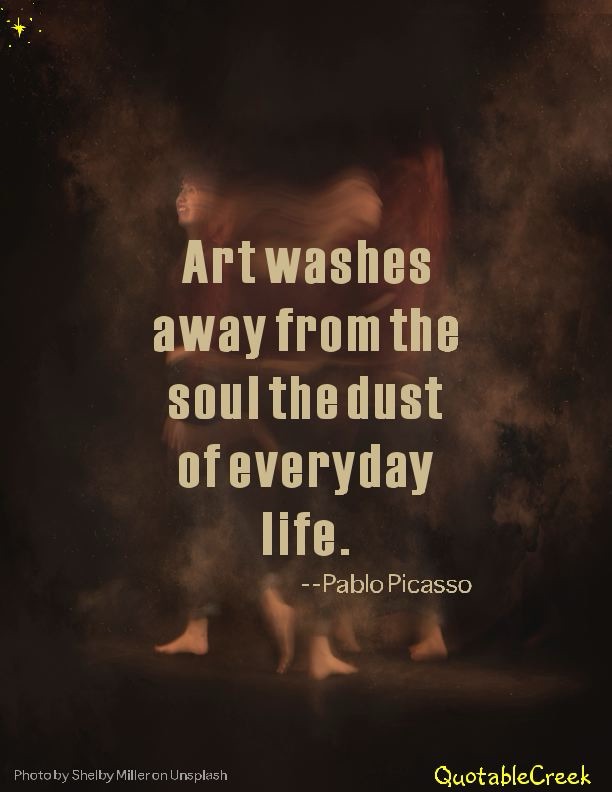
It is so easy to get discouraged when living a creative life. Your words are criticized; your paintings don’t sell. “They” don’t believe you have any promise. Sometimes the struggle to be commercially successful in a creative field can be so daunting that you abandon the art. But then you remember that art isn’t about “them” or “success” or “critical acclaim” at all. It’s about bringing your truths into the light, being creative, pushing yourself, being you.
Nowhere is this better illustrated than in the case of Henri Rousseau, a forty year old toll collector who wanted to paint. His work was derided, and yet he continued. He found joy in the painting. Not until the end of his life did anyone take his work seriously. As summarized by Maria Popova:
Long before history came to celebrate him as one of the greatest artists of his era, long before he was honored by major retrospectives by such iconic institutions as the MoMA and the Tate Museum, long before Sylvia Plath began weaving homages to him into her poetry, he spent a lifetime being not merely dismissed but ridiculed. And yet Rousseau — who was born into poverty, began working alongside his plumber father as a young boy, still worked as a toll collector by the age of forty, and was entirely self-taught in painting — withstood the unending barrage of harsh criticism with which his art was met during his entire life, and continued to paint from a deep place of creative conviction, with an irrepressible impulse to make art anyway…. [Rousseau’s life is] an emboldening real-life story, and a stunningly illustrated one, of remarkable resilience and optimism in the face of public criticism, of cultivating a center so solid and a creative vision so unflinching that no outside attack can demolish it and obstruct its transmutation into greatness.
The message from Rousseau’s life speaks to all of us: he was a success all along. He persevered with a remarkable resilience to produce work that spoke to him and pursued a passion that made him happy. That, the pursuit of great art, rather than the financial success was what gave his journey depth and meaning and lifted up his soul.
Consider the story of The Tenth Goose told by Richard R. Powell in his book Wabi Sabi for Writers:
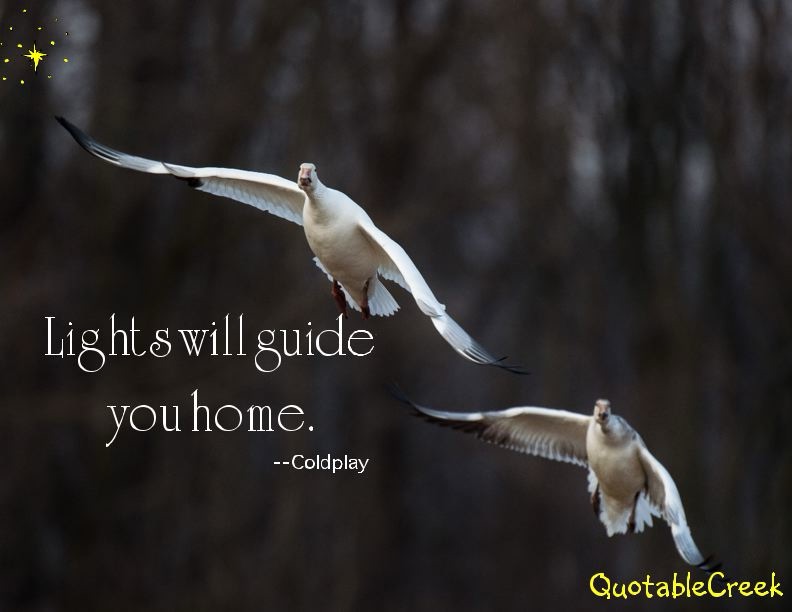
Nine Canada geese lift off a clear mountain lake; droplets from their wings cast lines of rings behind them on the glassy surface as they rise. Light gray feathers reflect amber light from the early morning sun, a clean glow off each curved body. You watch their broad wings grip air, watch nine bodies rise and fall in rhythm against the dark forest behind them. Each bird’s neck kinks in counter-time to its wing beats so that all nine heads remain level and each set of eyes gazes steadily out at the cool dawn, bright mystery of sight amid the shiny black head feathers. Closer now, you make out the expressionless curve of their beaks, see one goose’s thin moist tongue as she honks; hear the whistle of air across wing feathers as they pass over your head. Then you notice that there is a tenth goose far back, low to the water, working hard to catch up, honking softly, as if each wing beat hurts. This goose loses a feather as she passes close over you and you watch the feather spiral and glide to the ground. You pick it up and it looks perfect, each barbule lying neatly against its neighbor, the tiny whorl of fluff near the calamus soft to the touch. Then you see that the shaft is not perfect; it is cracked open from the middle to the tip.
You keep that feather, tuck it under the strap around your car’s sun visor, look at it every day you drive to work and remember the tenth goose. Remember your own efforts to keep up. And somehow, that tenth goose gives you courage. You wonder if she will find enough food or if winter will separate her from the rest, separate her from life. She speaks to you in a dream one night. In the distracted moments of the day she speaks to you, in the elevator or while you wait in traffic. Then one night she is there in your dream again, as silent as her feather in your car. She tips her head at you and that beak, with its lumpy prominence like a Roman nose, bobs up and down and you realize she is giving you permission to speak. In the dream you speak and she turns her head to hear you and you tell her your fear of dying and your hopes while living and she comes and rattles her beak between your fingers.
There is beauty and strength in the broken places, a beauty that continues on even when everything is a struggle, that faces setbacks with determination. Sometimes we are one of the nine geese, sure and strong, in sync, but sometimes we are the tenth goose struggling to keep up. And there is beauty in that, too:
It is a kind of beauty on the edge of defeat, a beauty tenacious and brave, and it is the beauty left behind when the warm, honking goose is gone. And not just flown away–but dead and gone. That feather remains as a testament to the beauty in living; and even when the feather dries and cracks and is eventually eaten by insects or the drab extension of time, it will live on in the imaginations of those who hear the story of the tenth goose.
Remember the Story of the Tenth Goose and take heart.
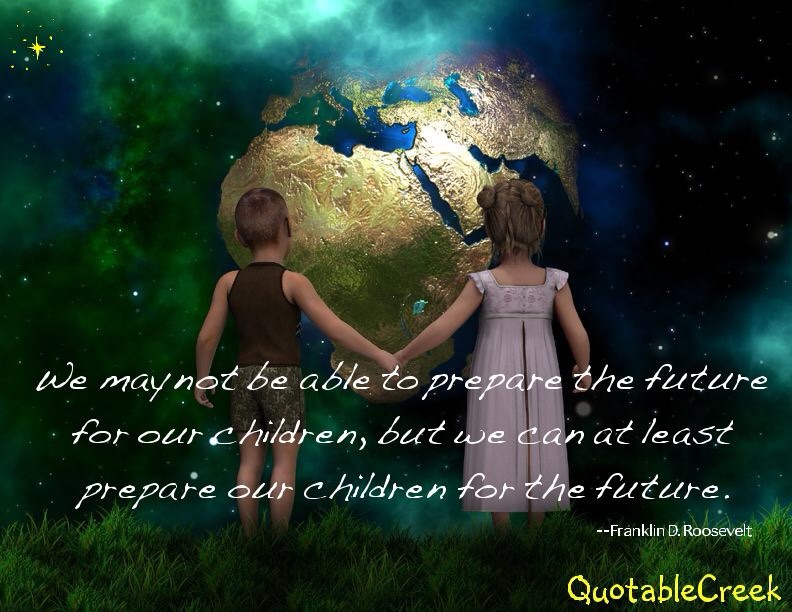
None of us knows what the future holds. But we do know the values we hold dear—honesty, integrity, love, compassion, empathy, respect, tolerance. As we raise our children, we instill these values. As adults, we model these values whether we win or lose, succeed or fail, sink or swim. Watching us, they learn, and, as they go forward into their futures, they will bring these values to their own decisions. If each of us does this, we will leave the world a better brighter place for our having been here.


 QuotableCreek.com