They will know us by our love.
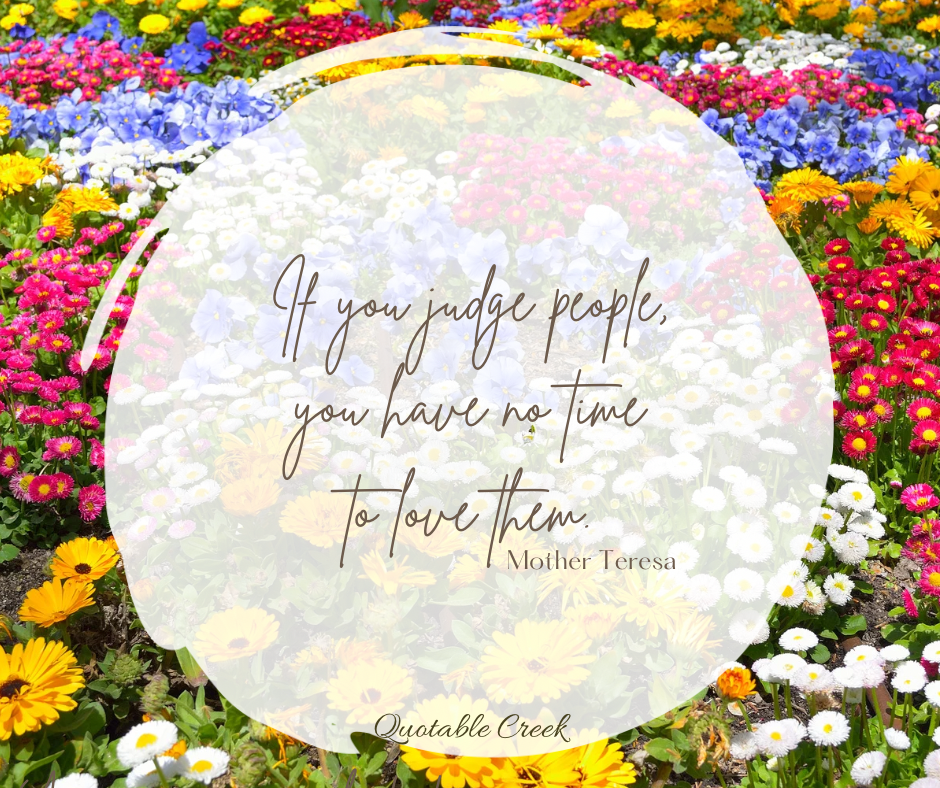
How much time do we spend deciding who’s in and who’s out, who’s worthy of our time and attention and who deserves disdain, who’s righteous and who’s a sinner? How do these exercises in circling some people in or out affect our own spirits?
Do we rise and fall in our own estimation by comparison with whom we have excluded from worthiness?
What if life just wasn’t that complex? What if Jesus was telling the truth when he said the greatest law was to love, not just God, but also our neighbor as ourself? And that when we ask who is our neighbor, it includes everyone? What if the Golden Rule, treating others how we would like to be treated, a rule found in most religions of the world, was really a good blueprint for how to live and treat people?

How would that ‘What if’ analysis affect our day-to-day interactions, our social justice system, our philanthropy, our lives?
Abraham Lincoln had little patience for the practice of religion that didn’t result in kinder more compassionate people. He said, “I care not for a man’s religion whose dog and cat are not the better for it.”
If your religion isn’t making you kinder and more accepting, a more loving and open person, what is it accomplishing? Is it just a thought exercise in deciding who to circle in or out?
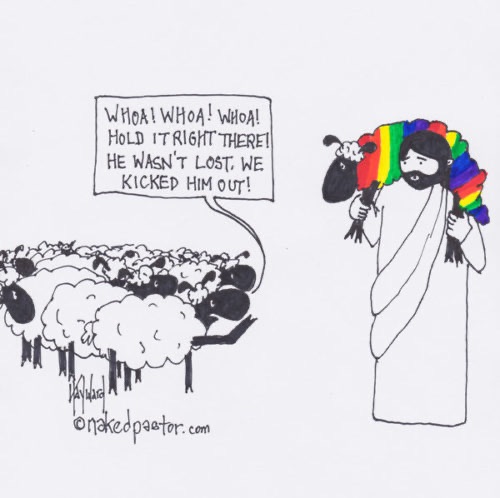
Will people know what you believe by the loving, compassionate way you treat people?
Or not?

 QuotableCreek.com