Failing better.

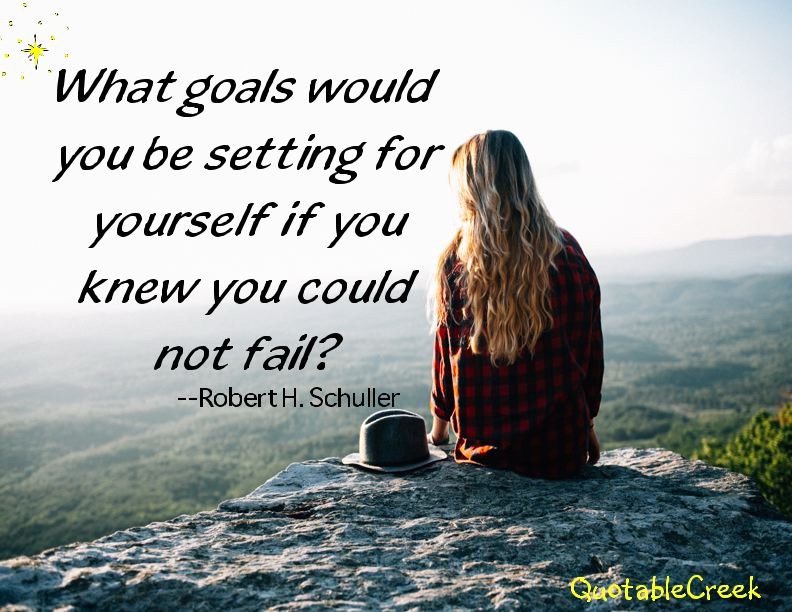
Fear of failure can keep us from trying something we really, really want to try. And it can keep us from admitting that we have taken a wrong turn and need to reevaluate things. But, at some point, we have to ask ourselves, why? What is so bad about failure?

Thomas Edison famously said, “I have not failed. I’ve just found 10,000 ways that won’t work.” Each experiment that did not succeed helped him move forward on the one path that would ultimately succeed by ruling out the other paths. That attitude helped spur him on because each failed experiment was itself a discovery and taught him something he didn’t know before.

In this remarkable TED talk, Kathryn Schulz, a self-proclaimed wrong-ologist, talks about failure and our responses to it and suggests that it is in these moments of failure, or, as she sees it, moments when reality does not align with our expectations, that the moments of growth, creativity, expansion happen:

So effectively, we all kind of wind up traveling through life, trapped in this little bubble of feeling very right about everything.

I think this is a problem. I think it’s a problem for each of us as individuals, in our personal and professional lives, and I think it’s a problem for all of us collectively as a culture. So what I want to do today is, first of all, talk about why we get stuck inside this feeling of being right. And second, why it’s such a problem. And finally, I want to convince you that it is possible to step outside of that feeling and that if you can do so, it is the single greatest moral, intellectual and creative leap you can make.

So why do we get stuck in this feeling of being right? One reason, actually, has to do with a feeling of being wrong. So let me ask you guys something — or actually, let me ask you guys something, because you’re right here: How does it feel — emotionally — how does it feel to be wrong? Dreadful. Thumbs down. Embarrassing. Okay, wonderful, great. Dreadful, thumbs down, embarrassing — thank you, these are great answers, but they’re answers to a different question. You guys are answering the question: How does it feel to realize you’re wrong? (Laughter) Realizing you’re wrong can feel like all of that and a lot of other things, right? I mean it can be devastating, it can be revelatory, it can actually be quite funny, like my stupid Chinese character mistake. But just being wrong doesn’t feel like anything.

I’ll give you an analogy. Do you remember that Loony Tunes cartoon where there’s this pathetic coyote who’s always chasing and never catching a roadrunner? In pretty much every episode of this cartoon,there’s a moment where the coyote is chasing the roadrunner and the roadrunner runs off a cliff, which is fine — he’s a bird, he can fly. But the thing is, the coyote runs off the cliff right after him. And what’s funny — at least if you’re six years old — is that the coyote’s totally fine too. He just keeps running — right up until the moment that he looks down and realizes that he’s in mid-air. That’s when he falls. When we’re wrong about something — not when we realize it, but before that — we’re like that coyote after he’s gone off the cliff and before he looks down. You know, we’re already wrong, we’re already in trouble, but we feel like we’re on solid ground. So I should actually correct something I said a moment ago. It does feel like something to be wrong; it feels like being right.

We have all been raised to get the right answers on the test, to score a winning shot, to achieve. But reality is more complex than a true-false quiz. No one of us has all the answers. And yet it feels like we do.

Schulz thinks this can be dangerous:

Think for a moment about what it means to feel right. It means that you think that your beliefs just perfectly reflect reality. And when you feel that way, you’ve got a problem to solve, which is, how are you going to explain all of those people who disagree with you? It turns out, most of us explain those people the same way, by resorting to a series of unfortunate assumptions. The first thing we usually do when someone disagrees with us is we just assume they’re ignorant. They don’t have access to the same information that we do, and when we generously share that information with them, they’re going to see the light and come on over to our team. When that doesn’t work, when it turns out those people have all the same facts that we do and they still disagree with us, then we move on to a second assumption,which is that they’re idiots. (Laughter) They have all the right pieces of the puzzle, and they are too moronic to put them together correctly. And when that doesn’t work, when it turns out that people who disagree with us have all the same facts we do and are actually pretty smart, then we move on to a third assumption: they know the truth, and they are deliberately distorting it for their own malevolent purposes. So this is a catastrophe.

This attachment to our own rightness keeps us from preventing mistakes when we absolutely need to and causes us to treat each other terribly. But to me, what’s most baffling and most tragic about this is that it misses the whole point of being human. It’s like we want to imagine that our minds are just these perfectly translucent windows and we just gaze out of them and describe the world as it unfolds. And we want everybody else to gaze out of the same window and see the exact same thing. That is not true, and if it were, life would be incredibly boring. The miracle of your mind isn’t that you can see the world as it is.It’s that you can see the world as it isn’t. We can remember the past, and we can think about the future,and we can imagine what it’s like to be some other person in some other place. And we all do this a little differently, which is why we can all look up at the same night sky and see this and also this and also this.And yeah, it is also why we get things wrong.

We are fallible. We make mistakes, constantly even, and no amount of convincing ourselves otherwise changes this particular reality. Once we accept this, we can soften our edges in the ways we treat each other and ourselves. We can jump into an uncertain future, not knowing what can happen because we realize we ACTUALLY DO NOT KNOW what will happen. That lack of knowledge isn’t something to be ashamed of or to pretend isn’t there like Wile E. Coyote who has just run off a cliff: it’s part of the human condition. We simply do not have all the answers.

Today, embrace the moment and consider each experience a learning opportunity to grow and stretch and learn. To maybe, even, discover you’ve been wrong and to incorporate that new knowledge into your choices going forward.
Hold the line of love.

What is our job in these troubled times? During any times, but particularly during times where we are seeing peoples’ rights eroded and trampled, when legal safeguards are flouted, and when authoritarianism is on the rise, our job is to hold the line. Continue to be a place of comfort and succor to the hurting, feed the hungry, grieve with the mourning.

Hold on to your loving and generous spirit.

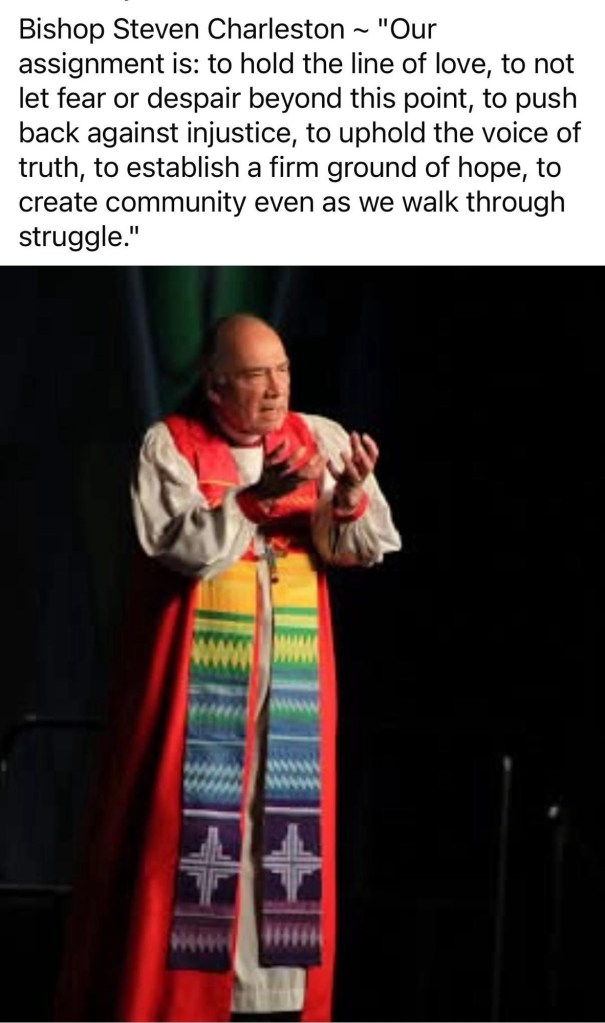
In the words of Bishop Charleson:

I’m broken, too.

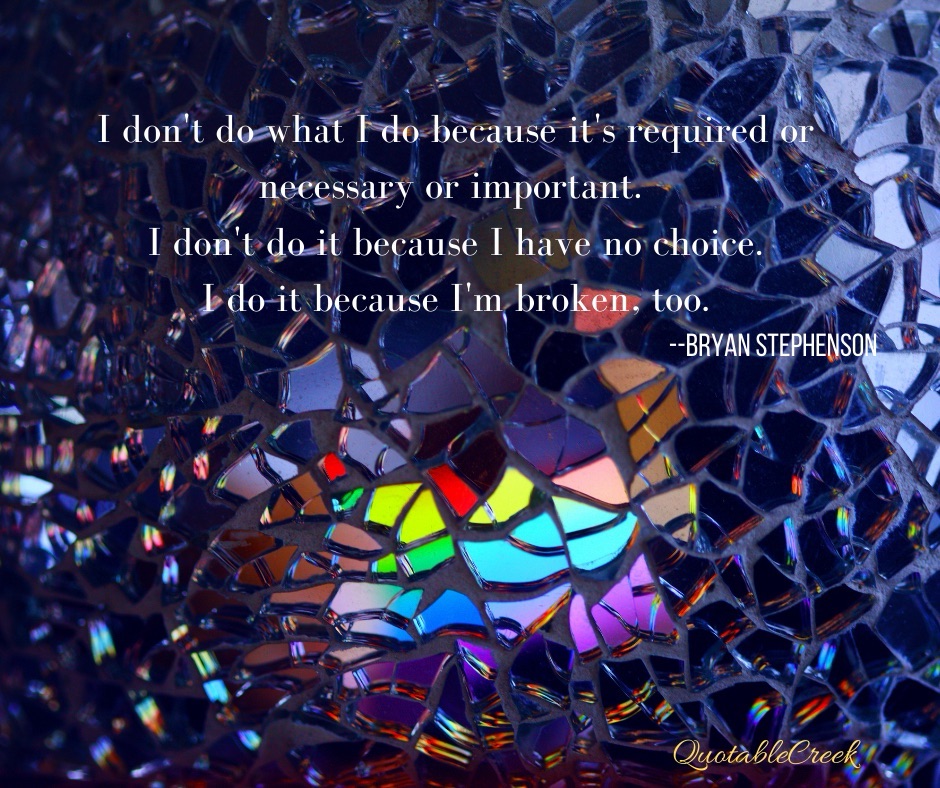
What makes some people able to empathize more than others, able to help in dire circumstances, able to put the greater good above the personal good? Bryan Stephenson, founder of the Equal Justice Institute, fierce advocate against systemic racism, and criminal defense attorney for those on death row explains: “I do it because I’m broken, too.” That recognition of a common humanity and brokenness by a system that needs changing propels him to fight. 

Who among us isn’t broken? Because we all are bound together, we all suffer in an unjust world. Because we all have known pain, we all have the capacity to put ourselves into the shoes of those hurting.

In his book, Just Mercy, Stephenson explains:

My years of struggling against inequality, abusive power, poverty, oppression, and injustice had finally revealed something to me about myself. Being close to suffering, death, executions and cruel punishments didn’t just illuminate the brokenness of others; in a moment of anguish and heartbreak, it also exposed my own brokenness. You can’t effectively fight abusive power, poverty, inequality, illness, oppression, or injustice and not be broken by it.

We are all broken by something. We have all hurt someone and have been hurt. We all share the condition of brokenness even if our brokenness is not equivalent. I desperately wanted mercy for Jimmy Dill and would have done anything to create justice for him, but I couldn’t pretend that his struggle was disconnected from my own. The ways in which I have been hurt–and have hurt others–are different from the ways Jimmy Dill suffered and caused suffering. But our shared brokenness connected us.

Paul Farmer, the renowned physician who has spent his life trying to cure the world’s sickest and poorest people, once quoted me something that the writer Thomas Merton said: ‘We are bodies of broken bones.’ I guess I’d always known but never fully considered that being broken is what makes us human. We all have our reasons. Sometimes we’re fractured by the choices we make; sometimes we’re shattered by things we would never have chosen. But our brokenness is also the source of our common humanity, the basis for our shared search for comfort, meaning, and healing. Our shared vulnerability and imperfection nurtures and sustains our capacity for compassion.

We all have a choice. We can embrace our humanness, which means embracing our broken natures and the compassion that remains our best hope for healing. Or we can deny our brokenness, forswear compassion, and, as a result, deny our humanity

…So many of us have become afraid and angry. We’ve become so fearful and vengeful that we’ve thrown away children, discarded the disabled, and sanctioned the imprisonment of the sick and the weak–not because they are a threat to public safety or beyond rehabilitation but because we think it makes us seem tough, less broken. …We’ve submitted to the harsh instinct to crush those among us whose brokenness is most visible. But simply punishing the broken–walking away from them or hiding them from sight–only ensures that they remain broken and we do, too. There is no wholeness outside of our reciprocal humanity.Just Mercy, by Bryan Stephenson

How many of the problems we face today can be mitigated by recognizing our common humanity, by following the Golden Rule of treating others how we would have them treat us, a tenet found in many of the world’s religions? How would we have others treat us if we were the elderly, the sick, the refugee, the hurt, the accused, the other? Each of us would benefit from considering things from this perspective. Bryan Stephenson continues:

Whenever things got really bad, and they were questioning the value of their lives, I would remind them that each of us is more than the worst thing we’ve ever done. I told them that if someone tells a lie, that person is not just a liar. If you take something that doesn’t belong to you, you are not just a thief. Even if you kill someone, you’re not just a killer. I told myself that evening what I had been telling my clients for years. I am more than broken. In fact, there is a strength, a power even, in understanding brokenness, because embracing our brokenness creates a need and desire for mercy, and perhaps a corresponding need to show mercy. When you experience mercy, you learn things that are hard to learn otherwise. You see things you can’t otherwise see; you hear things you can’t otherwise hear. You begin to recognize the humanity that resides in each of us.

…I began thinking about what would happen if we all just acknowledged our brokenness, If we owned up to our weaknesses, our deficits, our biases, our fears. Maybe if we did, we wouldn’t want to kill the broken among us who have killed others. Maybe we would look harder for solutions to caring for the disabled, the abused, the neglected, and the traumatized.Just Mercy, by Bryan Stephenson

We are all broken. Some of us don’t acknowledge that. We have all hurt and been hurt. It is that humbling insight that can help us recognize our common humanity across all divides. If we just have the eyes to see and the ears to hear. Stephenson refers to an unnamed pastor who would preface singing: “The minister would stand, spread his arms wide, and say, “Make me to hear joy and gladness, that the bones which thou hast broken may rejoice.”

Amen to that.

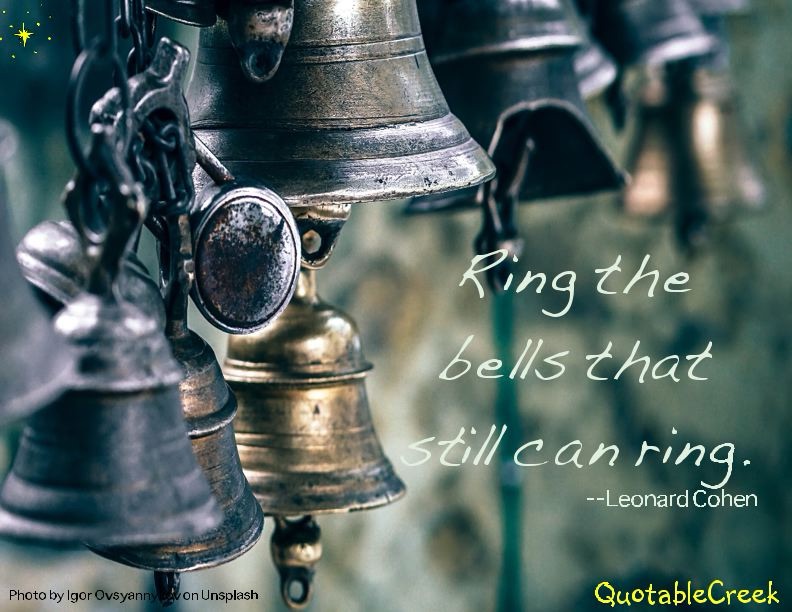
Ring your bell.

Maybe you’re older, or weaker, or not quite as sharp as you used to be. Maybe your energy is fading, or you’ve gotten depressed and overwhelmed. Maybe all your ducks aren’t in a row, and all your bells don’t ring. Maybe you don’t think you can make a difference.

It is in just such times that you must press on. Your gifts are needed. The world doesn’t need you to be perfect; it needs you to show up.

Ring your bell.

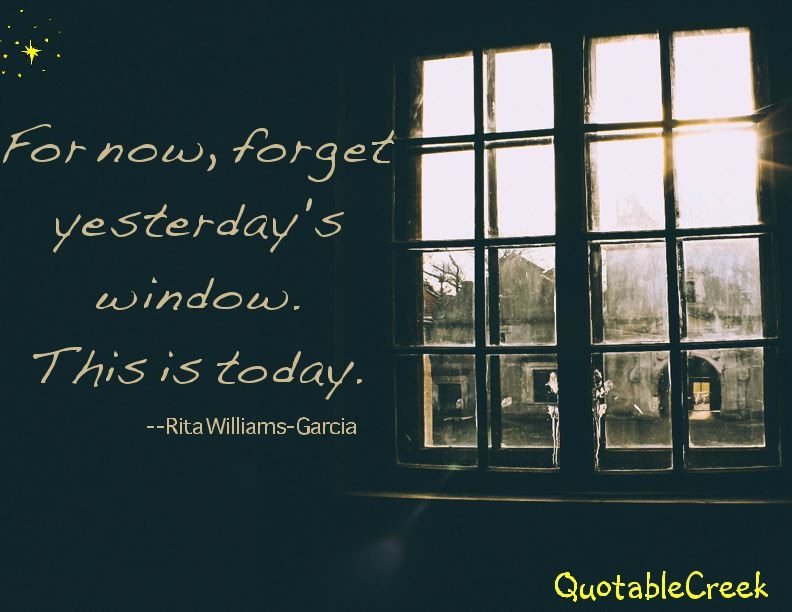
This is today.

Do not lose heart. The challenges you see today are the ones you must face. You are strong enough to do your part, and you will find allies everywhere you look.

Do not be afraid.

You may feel you are riding on stormy seas, but look around you. In the words of Dr. Clarissa Pinkola Estes:

Look out over the prow; there are millions of boats of righteous souls on the waters with you. Even though your veneers may shiver from every wave in this stormy roil, I assure you that the long timbers composing your prow and rudder come from a greater forest. That long-grained lumber is known to withstand storms, to hold together, to hold its own, and to advance, regardless.

In any dark time, there is a tendency to veer toward fainting over how much is wrong or unmended in the world. Do not focus on that. There is a tendency, too, to fall into being weakened by dwelling on what is outside your reach, by what cannot yet be. Do not focus there. That is spending the wind without raising the sails.

We are needed, that is all we can know. And though we meet resistance, we more so will meet great souls who will hail us, love us and guide us, and we will know them when they appear. Didn’t you say you were a believer? Didn’t you say you pledged to listen to a voice greater? Didn’t you ask for grace? Don’t you remember that to be in grace means to submit to the voice greater?

Ours is not the task of fixing the entire world all at once, but of stretching out to mend the part of the world that is within our reach. Any small, calm thing that one soul can do to help another soul, to assist some portion of this poor suffering world, will help immensely. It is not given to us to know which acts or by whom, will cause the critical mass to tip toward an enduring good.

You do not need to do everything. Do what you can, where you can, with what you can. Your actions combined with actions from millions of like-minded individuals will make a difference for good.

Do not lose heart.

Loving your neighbor.

When you have the power, or are on top, or when everything is going your way, it’s only natural to want to strut. You don’t want to think about a time when you might be powerless, on the bottom, or have the world against you.

That’s a downer, isn’t it?

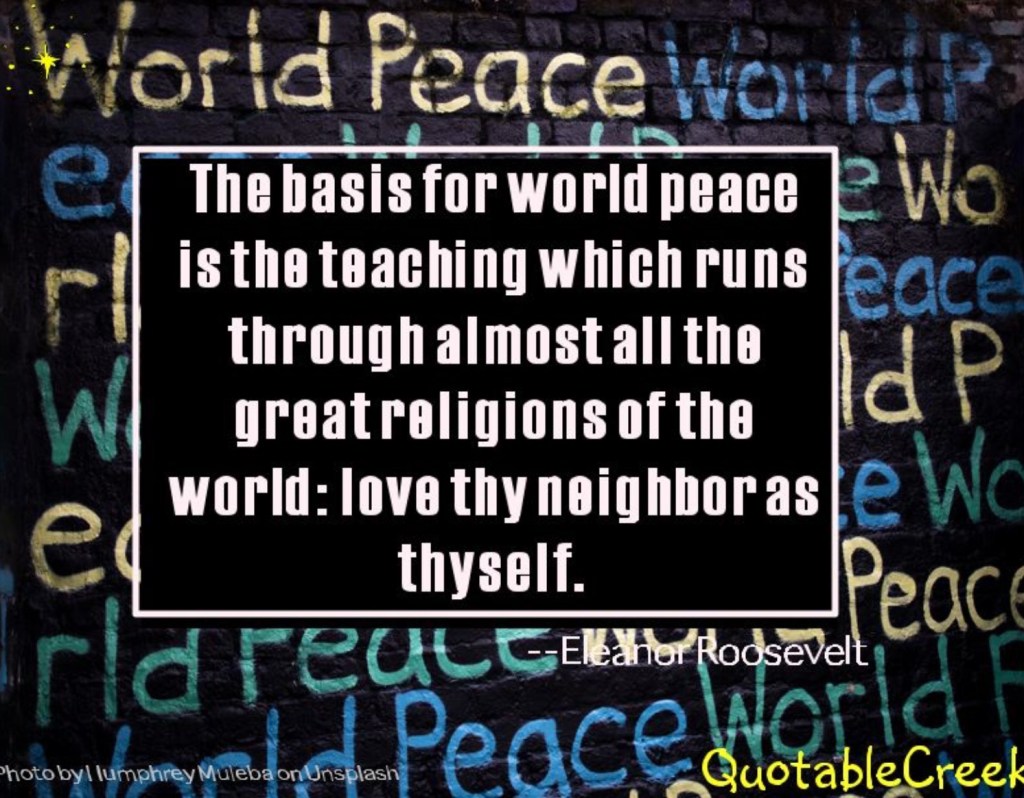
But that’s exactly where religion urges us to go, to think about the world from other perspectives, to consider what life is like for people without your privilege, to have empathy with the unfortunate. Because, after all, if you were in their shoes, wouldn’t you hope they would look out for you?

Starting now.

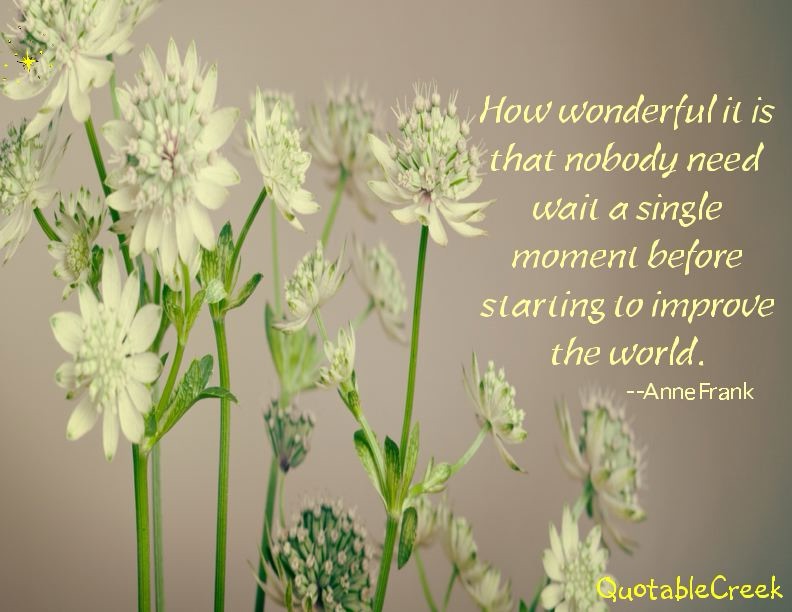
What tools do we need before we start to improve the world? What are we waiting for? Perhaps we are waiting for extra money or time. Perhaps we are waiting for retirement. Perhaps we are waiting to get all our own issues squared away first before we start thinking about helping someone else with theirs. Perhaps we are waiting for someone to ask us for help.

But consider Anne Frank. Forced to live in hiding to avoid the Nazi round-up and murder of Jews, she had little contact with the outside world. She, herself, was in mortal danger around the clock. She was just a kid, really, someone we think of helping rather than being the helper. And yet her attitude was so full of optimism and hope, it continues to shine now, decades later, lighting a weary world.

What a difference an attitude makes! She didn’t wait for the right time or resources. She didn’t wait until she could have a huge impact on the world. She didn’t wait until she was old or famous or wealthy. She didn’t even wait until she was safe. She started right then with what she had. A cheerful disposition, a concern for her family and the others in hiding with her, a willingness to step forward and try to make the world a better place.

What can you do to improve the world? Isn’t it wonderful that you can start right now?

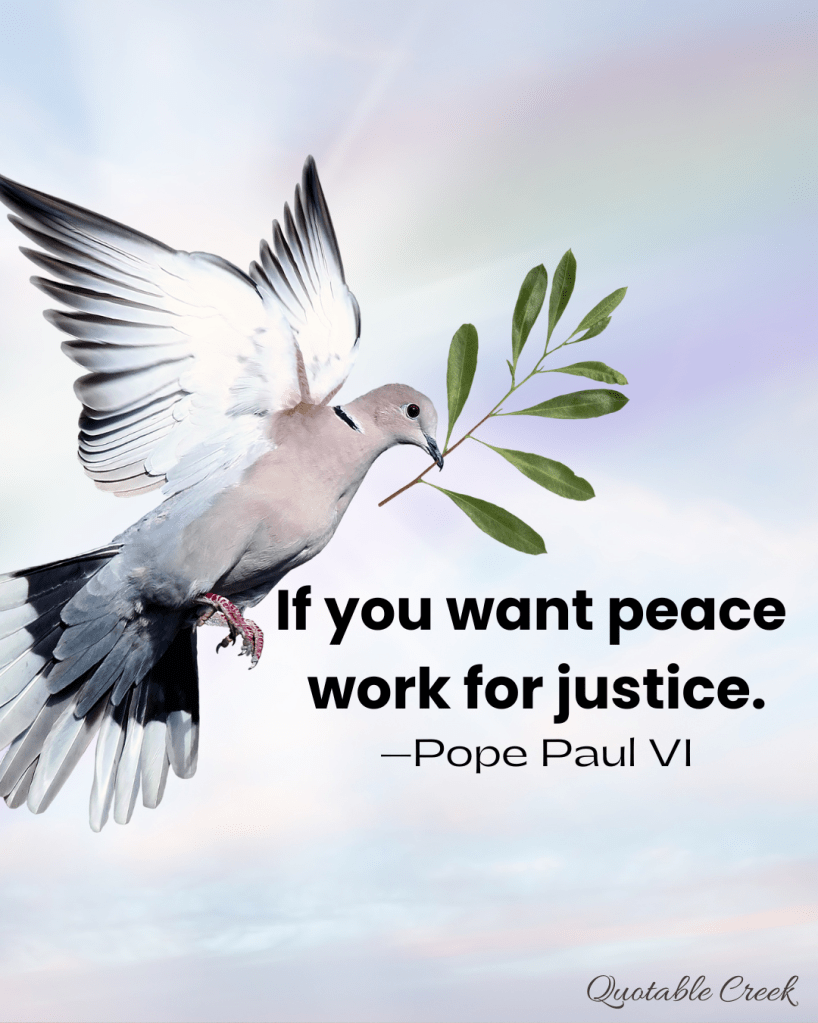
Working for Justice.

What does justice look like in a world of extreme wealth and extreme poverty? Where the systems in place work to keep furthering that disparity? Is justice possible in such a system?

Abraham Lincoln once said:

As I would not be a slave, so I would not be a master. This expresses my idea of democracy. Whatever differs from this, to the extent of the difference, is not democracy.

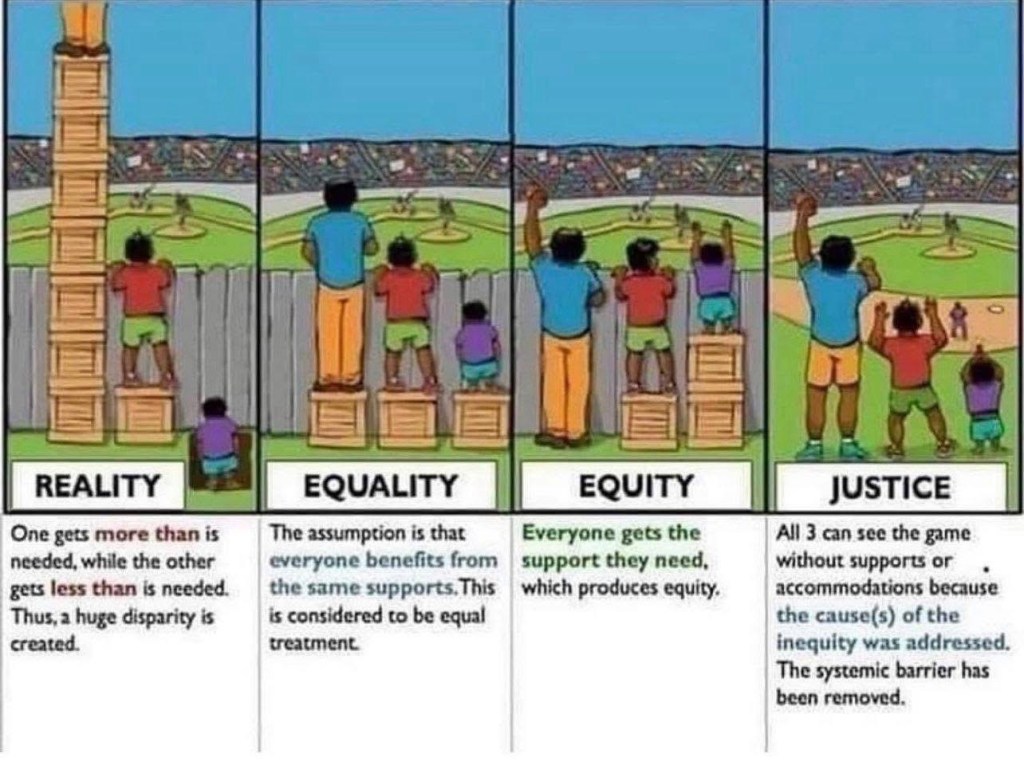
Consider this picture:

Removing systemic barriers to equity must be the work of those who seek justice, and, thereby, peace. There are those among us who would prefer to see themselves advantaged and others reduced in order for them to stay on top. These individuals may currently have the levers of wealth and power to their advantage. But they are outnumbered. As more people come to understand the graphic above, we can work together toward a more level playing field, and a more just and peaceful world.

A tip.

Apparently, one day in 1922, Albert Einstein was caught short, unable to leave a tip on his lunch bill. Instead, he scrolled:

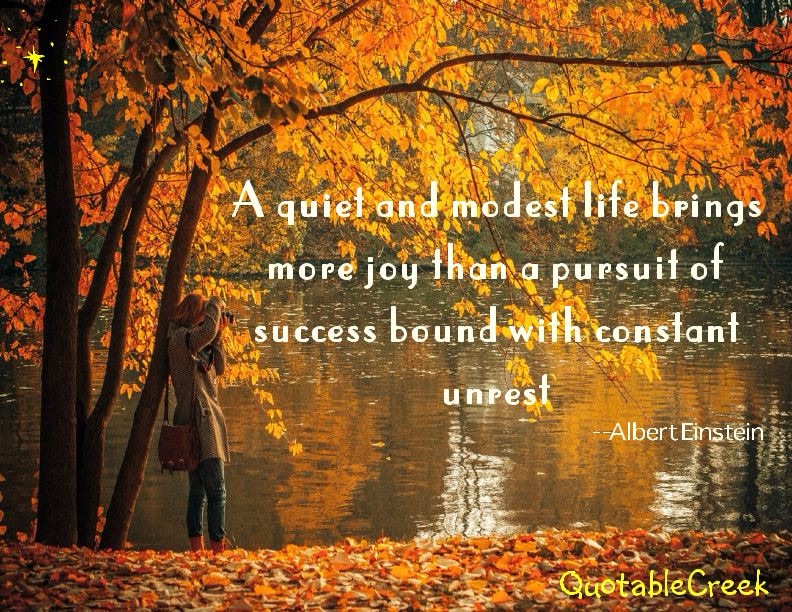
“A quiet and modest life brings more joy than a pursuit of success bound with constant unrest.”

Einstein hoped his words would prove valuable to the young waiter some day. Ironically, that scrolled message recently fetched over a million dollars at auction. More valuable, indeed.

But, setting humor aside, isn’t Einstein right? What are the moments that bring us joy?

Are they in the hustle and bustle and endless striving, or are they in life’s quiet moments, those moments with no posturing, no striving, no achieving? Just being.