Praying with the news.

How do we read the news and not get overwhelmed or angry, disconnected or depressed? How do we keep showing up with compassion and grace in a world where there is so much hate? How do we keep ourselves on the right path through the midst of it all? How do we continue to show up from a place of compassion, forgiveness, and grace? how do we keep our hearts from growing hard?

In this thoughtful letter, Rabbi Yael Levy shares his insights on how to pray with the news:

The 17th of the Hebrew month Tammuz initiates a three-week period of mourning that leads to Tisha b’Av, which is the day that marks the destruction of the Temples in Jerusalem in 586 BCE and 70 CE.

Tradition teaches that the Temple was destroyed because hatred became the operating principle in the community. The scorn, contempt and disdain that characterized daily interactions caused the Divine Presence to flee and leave the Temple vulnerable to attack.

These next three weeks ask us to reflect on the hatred that we allow to take root in our hearts. The wisdom of the tradition acknowledges that hatred can sometimes feel energizing and “so right,” but allowing it to fill our bodies and guide our actions leads to destruction.

Many years ago I was taught the practice of praying with the news. I have shared it over the years and always find myself returning to it during this season.

In this practice, each time we read or listen to a news report that enrages us, we turn our attention to those harmed by what is happening and pray for their healing and well-being. Doing so encourages us to acknowledge feelings of anger, grief and despair, and at the same time it turns our attention toward connection and compassion. Praying with the news can help us learn to bear witness to devastation and mayhem, while keeping our hearts soft, our minds calm, and our actions clear.

I am struggling mightily with this practice these days in the wake of continued violence and oppression in this country and throughout the world. Hatred can sometimes feel like such a welcome harbor. Not only does it feel so right, it can also act as a shield, creating the illusion that I don’t have to acknowledge the grief and heartbreak I am experiencing.

I need practices to help quiet the rage and fear, to loosen the constriction of hatred and to help me be with overwhelming grief. I need practices to help me return to compassion, love, joy and possibility. I find praying with the news both painful and helpful. It keeps me connected, allows sorrow, and grounds me in care and love.

Weekly reading from the Awakin.org newsletter.

We are made for welcome

When we are being welcoming, the focus is outward not inward. We look to what would make the other person comfortable, not what would make us comfortable. We don’t invite vegetarians, and then serve meat. Or teetotalers and serve alcohol. We get out of our own perspective and walk in the guest’s shoes to consider what would make them comfortable.

Aesop illustrated this premise with the Tale of the Fox and the Stork:

A fox invites a stork to eat with him and provides soup in a bowl, which the fox can lap up easily; however, the stork cannot drink it with its beak. The stork then invites the fox to a meal, which is served in a narrow-necked vessel. It is easy for the stork to access but impossible for the fox. The moral drawn is that the trickster must expect trickery in return and that the golden rule of conduct is for one to do to others what one would wish for oneself.

https://en.wikipedia.org/wiki/The_Fox_and_the_Stork

The same is true, presumably, when welcoming people to the Lord’s table. What would make others comfortable? How can you reach more people? What about the way you do things might be off putting? How can you step out of your own perspective to consider what would make others in the community feel welcomed and comfortable? Our job isn’t to be a bar to spreading the word but a conduit.

Desmond Tutu talks about the importance of a broad welcome:

We are made for goodness. We are made for love. We are made for friendliness. We are made for togetherness. We are made for all of the beautiful things that you and I know. We are made to tell the world that there are no outsiders. All are welcome: black, white, red, yellow, rich, poor, educated, not educated, male, female, gay, straight, all, all, all. We all belong to this family, this human family, God’s family.

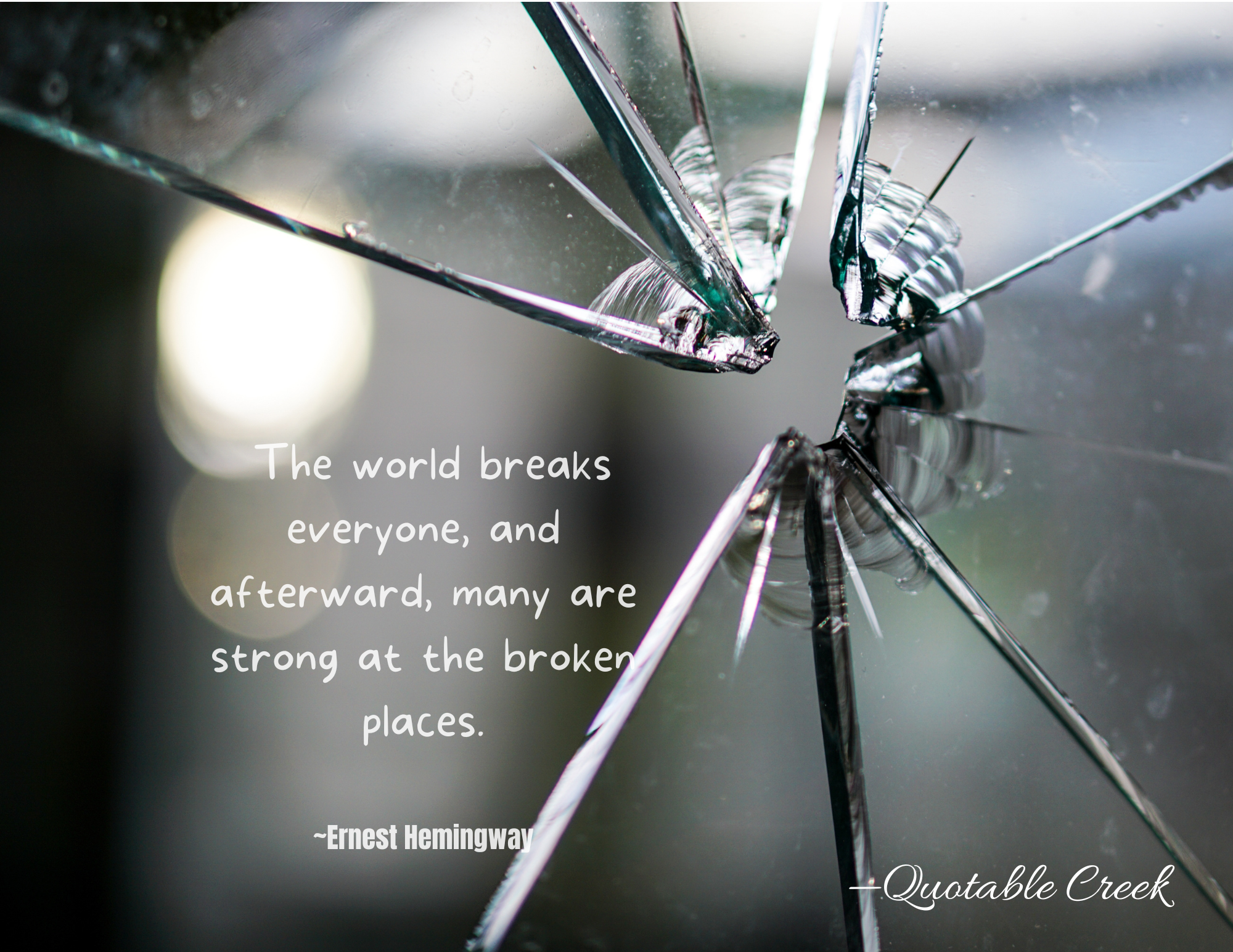
Strong in the broken places

Life can be tough. Even the most charmed of lives has loss and heartbreak, disillusionment and despair. Everyone hurts. But buried deep under the hurt and pain is the little waif you used to be, full of hope and promise, enthusiasm and excitement.

As Irish poet and philosopher John O’Donohue notes:

Your identity is not equivalent to your biography. There is a place in you where you have never been wounded, where there is still a sureness in you, where there’s a seamlessness in you, and where there is confidence and tranquility in you.

The intention of prayer and spirituality and love is now again to visit that inner kind of sanctuary.

Deep in there, behind the daily worries, aches and pains, hurts and disgruntlements, is your soul. Prayer, staying still and letting your mind clear in meditation, will take you there, again and again, a way to connect with both your own individuality and your place in the awesome collective of it all.

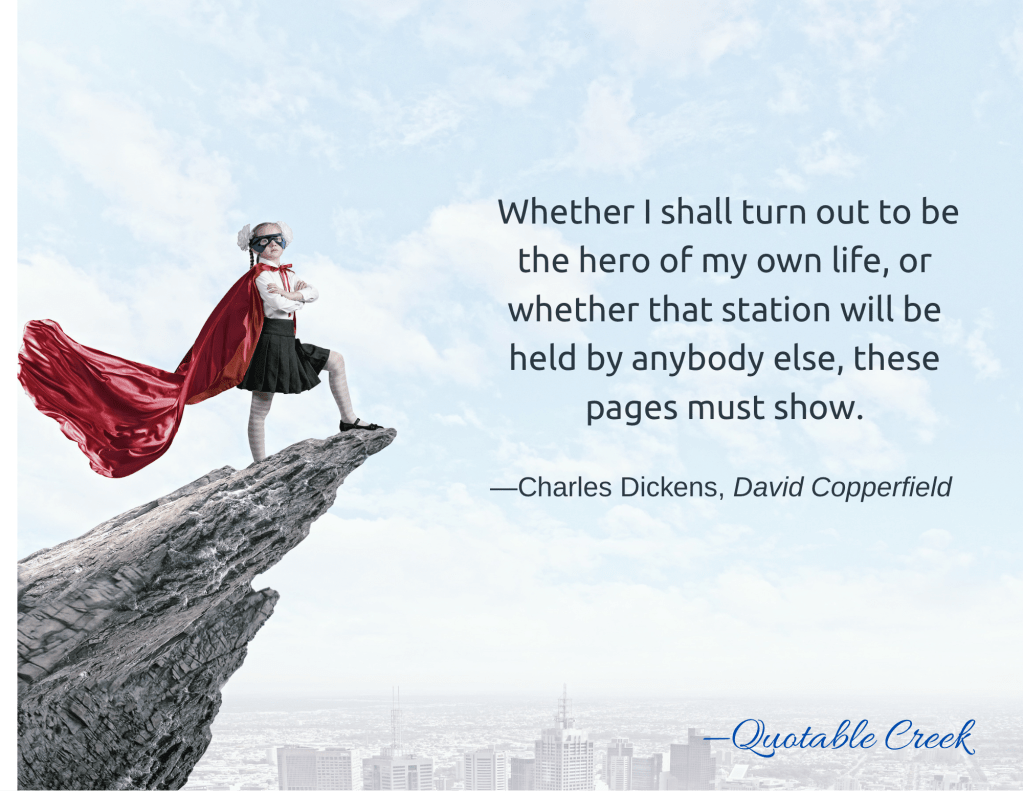
Being the Hero of Your Own Life

When we think about our own personal heroes, can we see a pattern? How did they rise to the challenges presented in their day?

How are we rising to the occasions and the challenges presented in our time? Right now. Are there injustices we can speak up against? Are there places where our voices will make a difference? What are the rights and wrongs happening right now today?

I am about one-fourth of the way through Charles Dickens’s, David Copperfield. It’s astonishingly good, as are most of his books. And, like others, it calls out some of the injustices of his day—child labor, poorhouses, domestic violence, emotional cruelty, sexism, bullying and so on. With his wide audience and engaging stories, he had tremendous power and is credited for being the impetus for many social justice reforms.

However, he had his own blind spots.

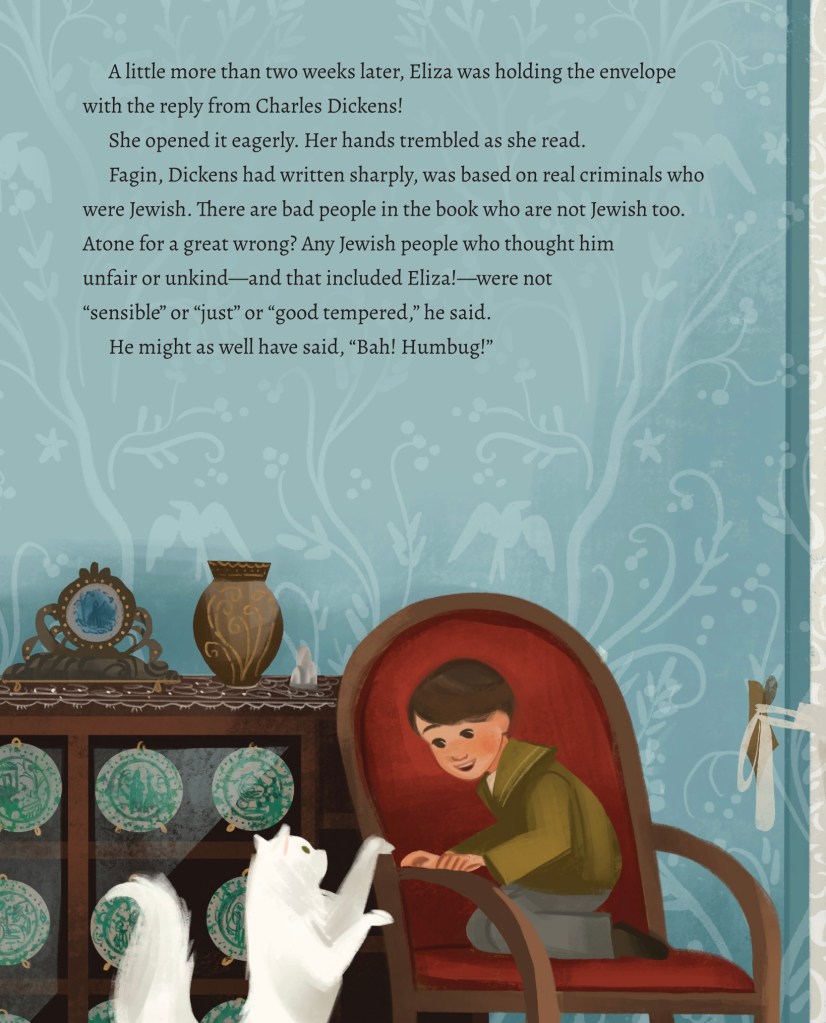
One reader, Eliza Davis, wrote to him, accusing him of portraying her people, those of Jewish ancestry, in stereotypical and negative ways. She cited Fagin, from Oliver Twist, a cruel and selfish man teaching young street urchins to steal. Eliza begged him to show more complexity in his Jewish characters.

Dickens was unimpressed.

Dear Mr. Dickens, By Nancy Churnin

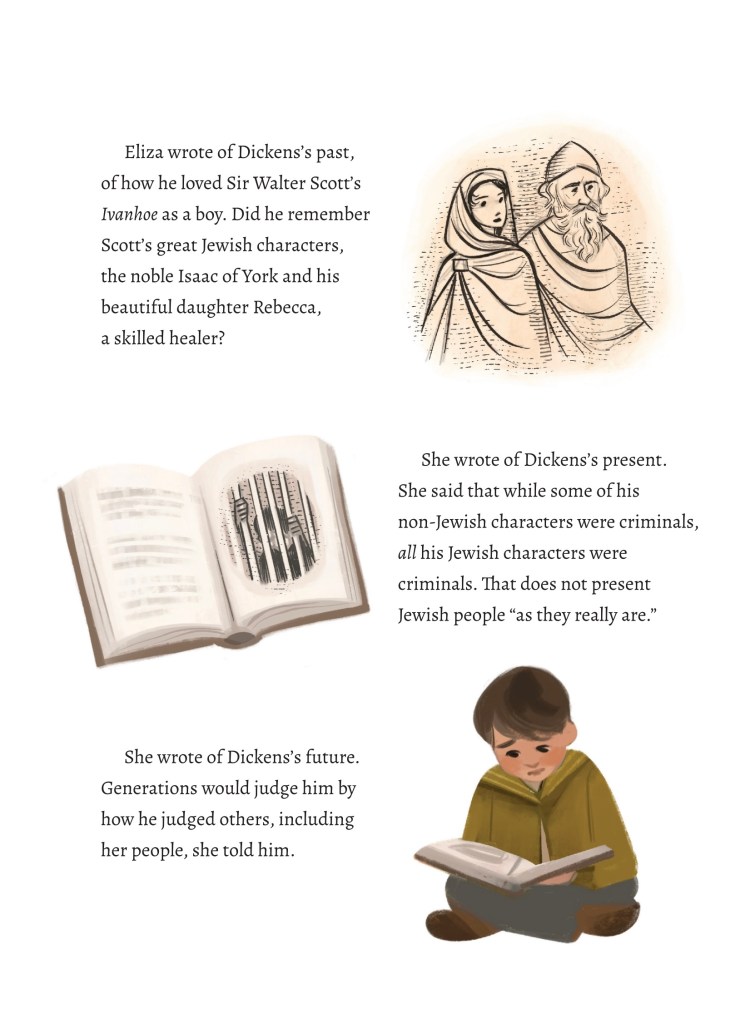
However, taking a page from Dickens’ own, Christmas Carol and the transformation of Ebenezer Scrooge, Eliza wrote him again:

Dear Mr. Dickens, by Nancy Churnin

And this time, Dickens was moved. And changed. From then on, his Jewish characters were complex and kind, and the exchange between Eliza and Dickens is credited for having a part in reducing anti-Semitic views and laws of the day.

Eliza had the same tools at hand as Dickens himself: pen, paper, and a keen sense of justice. While she lacked his fame, she made up for it by essentially teaming with him to bring about change.

What are the injustices of our day? It can be challenging to see them, sometimes, because we’ve been so steeped in things the way they are, that they seem normal. But if we pretend we are explaining our world to an alien, for instance, we might be hard-pressed to answer some of their questions. It is in those places, those places we know to be wrong, that we can strive to be the heroes of our own lives.

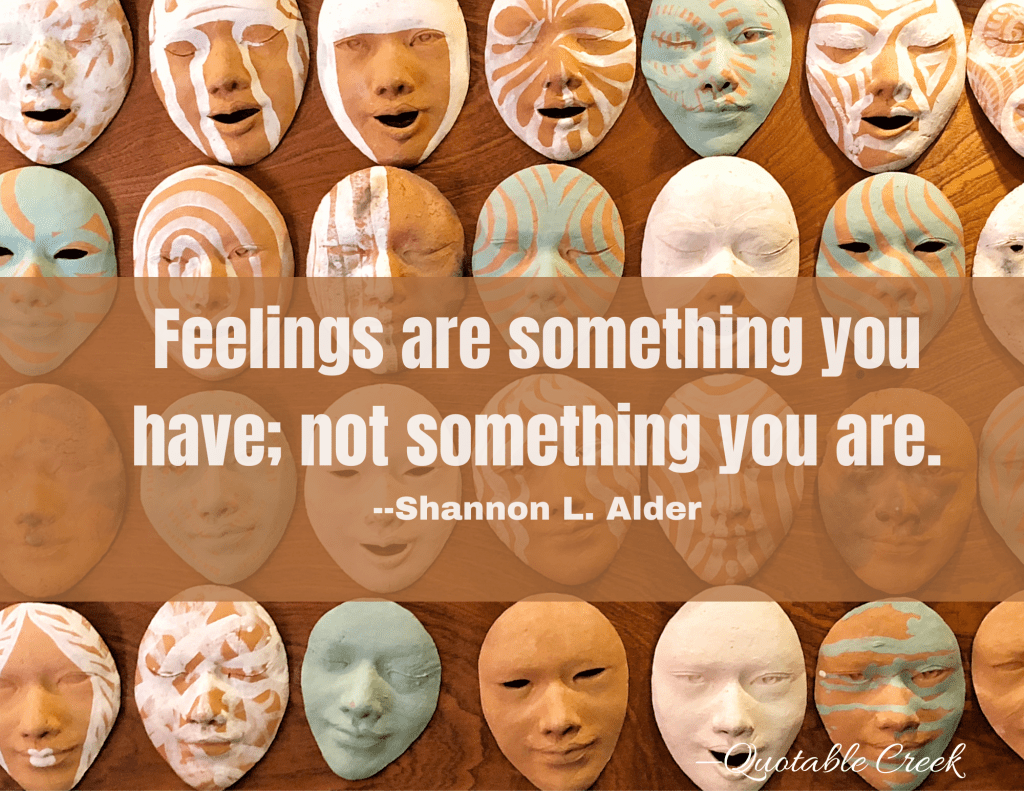
An open house for emotions

This has been a week of extreme emotions for me. When I try to think of a metaphor for that, it’s tough because the emotions varied so much. Weather, maybe? Tornados to still winds, gentle rains to pounding storms, beating sun to numbing cold.

And then I remembered this poem by Rumi. I am not my emotions, though they might overwhelm me. Consider the emotions as visitors, and myself a guest house where a crowd of sorrows may enter and take up some space for a while before they pack their bags and move along.

The Guest House

by Jelalludin Rumi


This being human is a guest house.
Every morning a new arrival.
A joy, depression, a meanness,
some momentary awareness comes
as an unexpected visitor.
Welcome and entertain them all!
Even if they’re a crowd of sorrows,
who violently sweep your house
empty of its furniture,
still, treat each guest honorably.
He may be clearing you out
for some new delight.
The dark thought, the shame, the malice,
meet them at the door laughing,
and invite them in.
Be grateful for whoever comes,
because each has been sent
as a guide from beyond.

God winks

Often, when we look back at our lives, we will see strange coincidences that came at meaningful times in our life. That person you met, show you watched, book you read, something you overheard that serendipitously was just what you needed in that moment. My pastor calls these God winks. It feels like someone is watching over you and caring.

Of course, these could be just coincidental. But they are important, pivotal, coincidences.

Emma Thompson puts it this way:

I think books are like people, in the sense that they’ll turn up in your life when you most need them. After my father died, the book that sort of saved my life was Gabriel García Márquez’s novel One Hundred Years of Solitude. Because of that experience, I firmly believe there are books whose greatness actually enables you to live, to do something. And sometimes, human beings need story and narrative more than they need nourishment and food.

Emma Thompson in @oprah’s O Magazine.

The most important thing is having the eyes to recognize the impact and the willingness to be open to change and growth.

God winks are everywhere if you develop the eyes to see them.

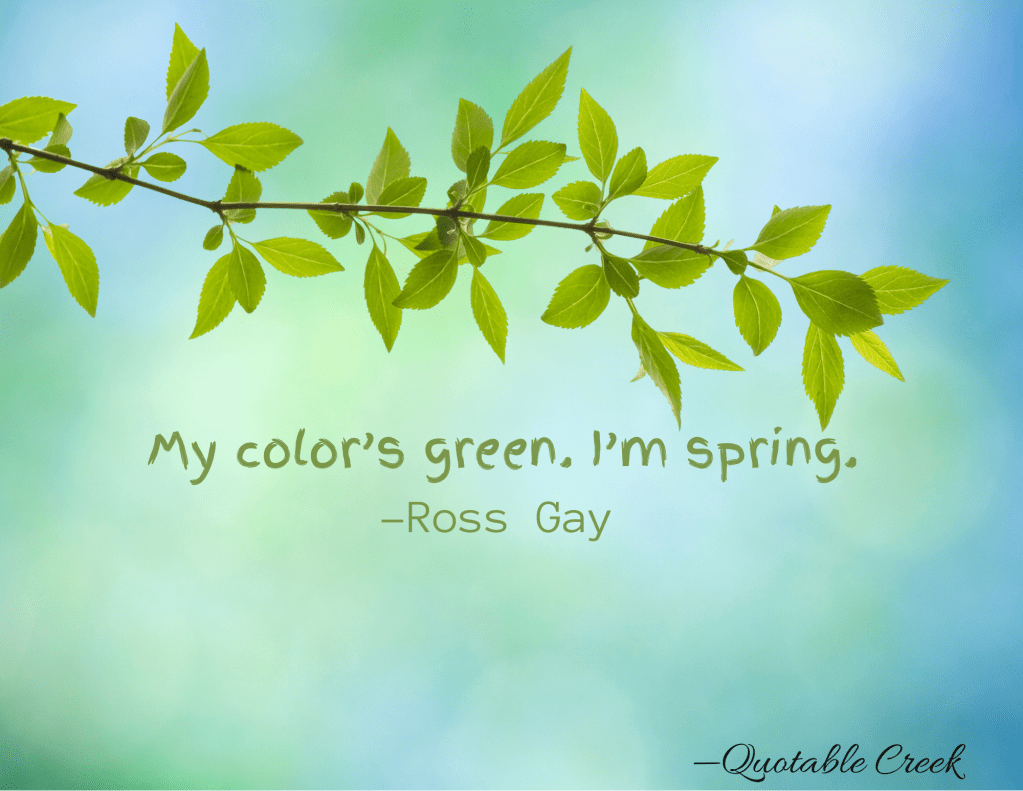
I’m spring

As I age, I have a new appreciation for those poets like Dylan Thomas raging against mortality. I do not want to go gentle into that good night. I like it here.

Here is a new variation on that theme I enjoyed:

Sorrow Is Not My Name
BY ROSS GAY

—after Gwendolyn Brooks

No matter the pull toward brink. No
matter the florid, deep sleep awaits.
There is a time for everything. Look,
just this morning a vulture
nodded his red, grizzled head at me,
and I looked at him, admiring
the sickle of his beak.
Then the wind kicked up, and,
after arranging that good suit of feathers
he up and took off.
Just like that. And to boot,
there are, on this planet alone, something like two million naturally occurring sweet things,
some with names so generous as to kick
the steel from my knees: agave, persimmon,
stick ball, the purple okra I bought for two bucks
at the market. Think of that. The long night,
the skeleton in the mirror, the man behind me
on the bus taking notes, yeah, yeah.
But look; my niece is running through a field
calling my name. My neighbor sings like an angel
and at the end of my block is a basketball court.
I remember. My color’s green. I’m spring.

Loving what’s mortal

As we age, there is loss. That loss is like a presence that follows us relentlessly like a shadow. No avoiding it. No pretending. We are mortal. The people we love are mortal, perhaps imminently so. This is part of the rules of engagement. And while most of us avoid thinking too much about it, poets like Mary Oliver offer life instructions:

To live in this world, you must be able to do three things:

To love what is mortal

To hold it against your bones knowing your own life depends on it;

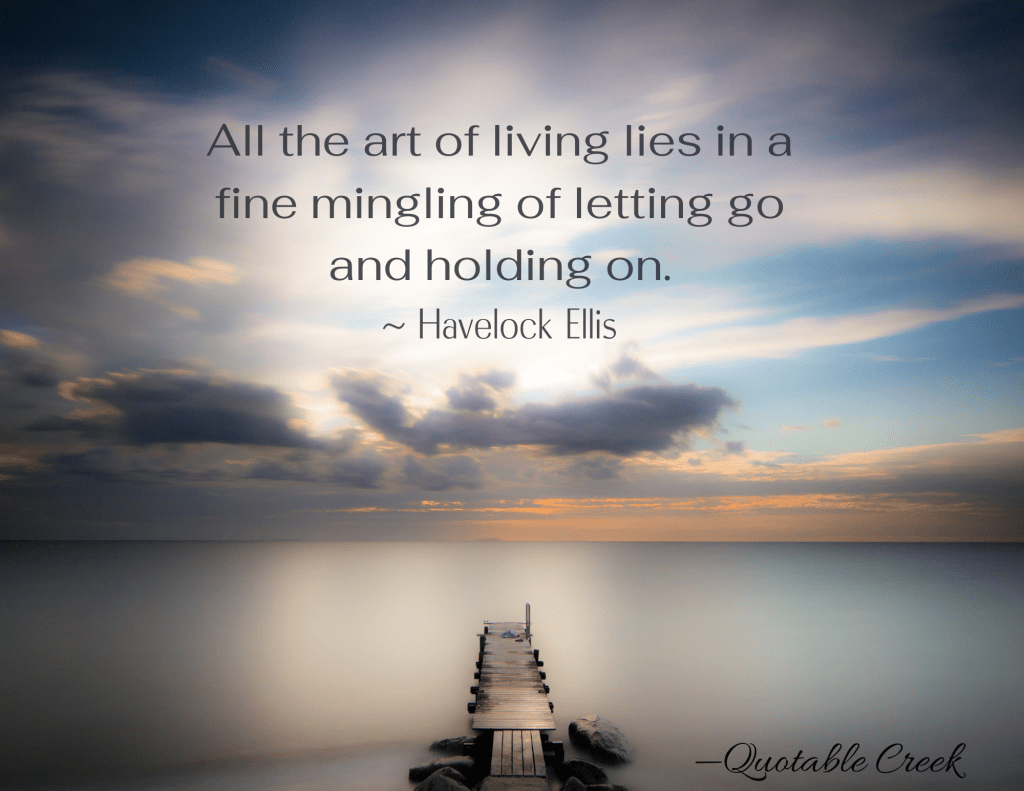
And, when the time comes, to let it go, to let it go.

I honestly don’t know which of these three rules is the hardest. Right now, they each seem nearly impossible. But having the courage to follow these instructions feels like the answer.

Her full poem is below.

Look, the trees
are turning
their own bodies
into pillars

of light,
are giving off the rich
fragrance of cinnamon
and fulfillment,

the long tapers
of cattails
are bursting and floating away over
the blue shoulders

of the ponds,
and every pond,
no matter what its
name is, is

nameless now.
Every year
everything
I have ever learned

in my lifetime
leads back to this: the fires
and the black river of loss
whose other side

is salvation,
whose meaning
none of us will ever know.
To live in this world

you must be able
to do three things:
to love what is mortal;
to hold it

against your bones knowing
your own life depends on it;
and, when the time comes to let it go,
to let it go.

“In Blackwater Woods” by Mary Oliver, from American Primitive. © Back Bay Books, 1983.

Thankful for the whole everything.

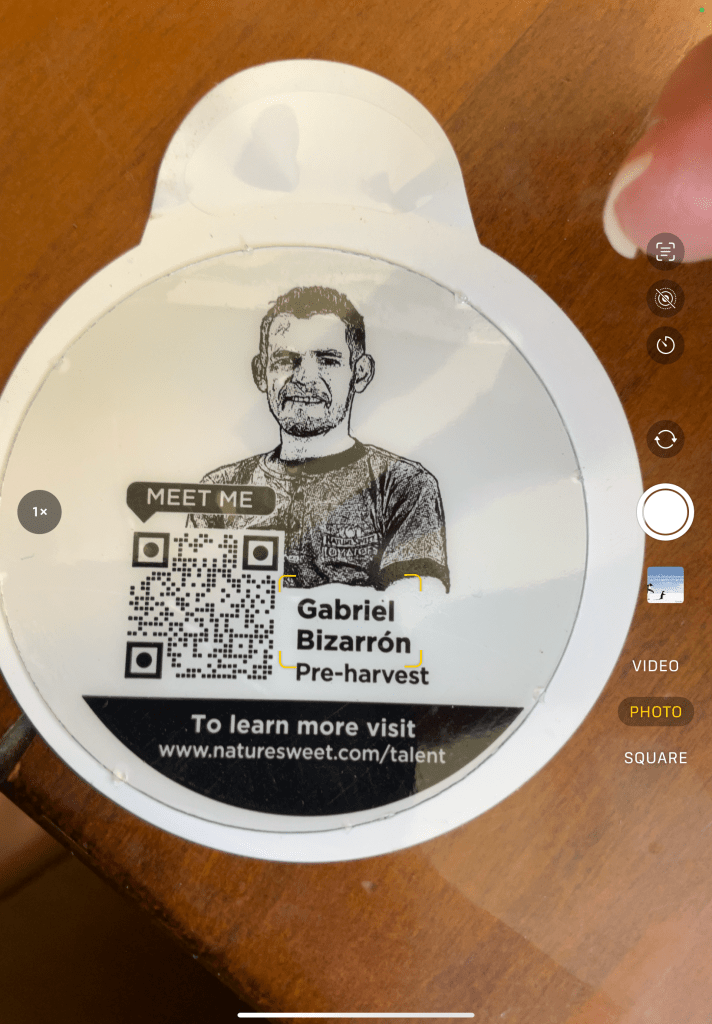
Yesterday, I was minding my business, making a quick salad for lunch. As I peeled the sticker top off the little plastic tub of cherry tomatoes, I was caught by surprise. On the back of the sticker was a picture of a man and a scan code to learn more about him.

It turns out Gabriel Bizarrón helps to make sure my tomatoes are bug free and have the right nutrients, He is working toward a degree in agribusiness. Gabriel is one of the many people responsible for helping me have a delicious healthy lunch, and I’m thankful for him.

Which got me thinking about all the other people in the chain of bringing these tomatoes to my belly, and there are so many. Stopping and imagining all the hands and minds that went into bringing my meals into existence, and being grateful for each of them, was quite a fun exercise. There are so many! What a wonderful invisible web of people there are behind the scenes to bring each of us food, clean water, electricity, and so on. Not to mention being grateful for businesses, like this and like Snapple with their hidden quotes, that take time to make their packaging inspirational. It is staggering once you start thinking about it, and really no end in sight, because each ‘thankful for’ leads to another, infinitely.

What a wonderful world!

Book magic

There is a certain alchemy in writing a book. Where do ideas come from? How do they knit together to form a story? What elevates words to resonate with a reader’s inner self? An author may seem like a bit of a magician conjuring elements, or perhaps a conductor taming orchestral components together to make music.

But reading can be even more magical. Words written by a stranger maybe years ago can resonate deeply and touch your soul. Fictional characters can be more real to you than the people you see every day. You can curl up on your couch with a book and be completely transported into another place and time in a way that feels so astonishingly real that when you put down the book, you temporarily lose your bearings. And sometimes you can read something that travels through time and space to speak directly to your troubled heart and give you peace.

W.B. Yeats put it this way:

Where My Books Go

All the words that I gather,
And all the words that I write,
Must spread out their wings untiring,
And never rest in their flight,
Till they come where your sad, sad
heart is,
And sing to you in the night,
Beyond where the waters are moving,
Storm darkened or starry bright.