One of my personal heroes, Jimmy Carter, almost 100 years old, is trying to hang on to vote in this election. He has been such a wonderful example of walking the walk. He says:
“My faith demands – this is not optional – my faith demands that I do whatever I can, wherever I can, whenever I can, for as long as I can with whatever I have to try to make a difference.”
What a wonderful way to look at our possible impact. Using what we have, not waiting until we have more or better resources or to be older and wiser, or wishing we were younger and stronger. Right now with what’s available.
And wherever we find ourselves, adopting a bloom where you’re planted attitude. Even if we are in our own harsh spot. Considering what can we do here.
And always looking for opportunities to do good. Not necessarily solving the world’s problems, but doing your own little bit of good. Right here, right now.
Do you find yourself making the same mistakes repeatedly? Maybe even sabotaging relationships or failing to meet your goals? Is it possible you are getting in your own way?
In this insightful article, Tim Hoch identifies 10 ways you may be making your life harder than it needs to be:
1. You ascribe intent.
Another driver cut you off. Your friend never texted you back. Your co-worker went to lunch without you. Everyone can find a reason to be offended on a steady basis. So what caused you to be offended? You assigned bad intent to these otherwise innocuous actions. You took it as a personal affront, a slap in the face.
Happy people do not do this. They don’t take things personally. They don’t ascribe intent to the unintentional actions of others.
2. You’re the star of your own movie.
It is little wonder that you believe the world revolves around you. After all, you have been at the very center of every experience you have ever had.
You are the star of your own movie. You wrote the script. You know how you want it to unfold. You even know how you want it to end.
Unfortunately you forgot to give your script to anyone else. As a result, people are unaware of the role they are supposed to play. Then, when they screw up their lines, or fail to fall in love with you or don’t give you a promotion, your movie is ruined.
Lose your script. Let someone else star once in awhile. Welcome new characters. Embrace plot twists.
3. You fast forward to apocalypse.
I have a bad habit of fast forwarding everything to its worst possible outcome and being pleasantly surprised when the result is marginally better than utter disaster or jail time. My mind unnecessarily wrestles with events that aren’t even remotely likely. My sore throat is cancer. My lost driver’s license fell into the hands of an al-Qaeda operative who will wipe out my savings account.
Negativity only breeds more negativity. It is a happiness riptide. It will carry you away from shore and if you don’t swim away from it, will pull you under.
4. You have unrealistic and/or uncommunicated expectations.
Among their many shortcomings of your family and friends is the harsh reality that they cannot read your mind or anticipate your whims.
Did your boyfriend forget the six and a half month anniversary of your first movie date? Did your girlfriend refuse to call at an appointed hour? Did your friend fail to fawn over your tribal tattoo?
Unmet expectations will be at the root of most of your unhappiness in life. Minimize your expectations, maximize your joy.
5. You are waiting for a sign.
I have a friend who won’t make a decision without receiving a “sign.” I suppose she is waiting on a trumpeted announcement from God. She is constantly paralyzed by a divinity that is either heavily obscured or frustratingly tardy. I’m not disavowing that fate or a higher power plays a role in our lives. I’m just saying that it is better to help shape fate than be governed by it.
6. You don’t take risks.
Two words: Live boldly. Every single time you are offered a choice that involves greater risk, take it. You will lose on many of them but when you add them up at the end of your life you’ll be glad you did.
7. You constantly compare your life to others.
A few years ago I was invited to a nice party at a big warehouse downtown. I was enjoying the smooth jazz, box wine and crustless sandwiches. What more could a guy want? Later in the evening I noticed a steady parade of well-heeled people slide past and disappear into another room. I peeked and saw a large party with beautiful revelers dancing and carrying on like Bacchus. Suddenly my gig wasn’t as fun as it had been all because it didn’t appear to measure up to the party next door- a party I didn’t even know existed until just moments before.
I do this frequently. Those people are having more fun. Mary has a bigger boat. Craig gets all the lucky breaks. Ted has more money. John is better looking.
Stop it.
Always remember what Teddy Roosevelt said: “Comparison is the thief of joy.”
8. You let other people steal from you.
If you had a million dollars in cash under your mattress, you would check it regularly and take precautions to insure it is safe. The one possession you have that is more important than money is time. But you don’t do anything to protect it. In fact you willingly give it to thieves. Selfish people, egotistical people, negative people, people who won’t shut up. Treat your time like Fort Knox. Guard it closely and give it only to those who deserve and respect it.
9. You can’t/won’t let go.
These are getting a little harder aren’t they? That’s because sometimes you have to work at happiness. Some hurdles are too difficult to clear by simply adjusting your point of view or adopting a positive mindset.
Do you need to forgive someone? Do you need to turn your back on a failed relationship? Do you need to come to terms with the death of a loved one?
Life is full of loss. But, in a sense, real happiness would not be possible without it. It helps us appreciate and savor the things that really matter. It helps us grow. It can help us help others grow.
Closure is a word for people who have never really suffered. There’s no such thing. Just try to “manage” your loss. Put it in perspective. You will always have some regret and doubt about your loss. You may always second guess yourself. If only you had said this, or tried that.
You’re not alone. Find someone who understands and talk to that person. Reach out for support. If all else fails, try #10 below.
10. You don’t give back.
One way to deal with loss is to immerse yourself in doing good. Volunteer. Get involved in life.
It doesn’t even have to be a big, structured thing. Say a kind word. Encourage someone. Pay a visit to someone who is alone. Get away from your self-absorption.
When it comes down to it, there are two types of people in this world. There are givers and there are takers. Givers are happy. Takers are miserable. What are you?
Do any of these fit? You may need to get out of your own way.
In the midst of technological connectedness, loneliness is ever present. That need for close human connection isn’t satisfied by clicks and emojis or political jousting. It requires a deeper sharing of oneself. And how frustrating to have stories to tell but no one to share them with.
Imagine what good you can do simply by being that person who can listen to another’s stories. To ease their loneliness.
Emily Dickinson captured this well:
If I can stop one heart from breaking,
I shall not live in vain;
If I can ease one life the aching,
Or cool one pain,
Or help one lonely person
Into happiness again
I shall not live in vain.
Who do you know that might have stories to tell if only there was someone to listen?
This moment we are in is but one in the collection of moments that make a life, a story, a history. Each moment building on the last, forward toward a powerful culmination. To stay hopeful and earnest in each moment, no matter how dire, is a testament to what we hold dear, to hope, to a belief that all things will ultimately work together for good.
As Howard Zinn says,
TO BE HOPEFUL in bad times is not just foolishly romantic. It is based on the fact that human history is a history not only of cruelty, but also of compassion, sacrifice, courage, kindness. What we choose to emphasize in this complex history will determine our lives. If we see only the worst, it destroys our capacity to do something. If we remember those times and places—and there are so many—where people have behaved magnificently, this gives us the energy to act, and at least the possibility of sending this spinning top of a world in a different direction. And if we do act, in however small a way, we don’t have to wait for some grand utopian future. The future is an infinite succession of presents, and to live now as we think human beings should live, in defiance of all that is bad around us, is itself a marvelous victory.
Do not give up on the beliefs you have. To be decent, kind, not returning hate for hate, to speak truth to power, to retain hope for a brighter future, a future willing to work for. That is a marvelous victory.
When we find ourselves in challenging times and are unsure which way to turn, let these words help guide you.
Do justice. Peace, justice, love are things we do and bring about, not things we wait for. With our best discernment, we offer ourselves to the world, hoping to make a difference. Kind words, loving hearts, calm demeanors, patience, forbearance, and forgiveness. The way of the One we follow. A servant’s heart but a leader’s strength.
Love mercy. Oh, how the world loves vengeance, cancelling, grudges, getting even, punishment. To love mercy is a kinder, gentler path, one that believes in the redeem-ability of every last one of us. One that doesn’t insist on being avenged or having the last word. One that delights in forgiveness and healing.
Walk humbly. No matter how hard we try to do or be right, we may be wrong. The other guy might be right. And, get this, God loves the other guy as much as God love you.
It’s getting harder to find the right presents for my granddaughters. I’m keenly feeling their growing up and the fact we are of different generations. Their world now contains so many things that I have so little clue about.
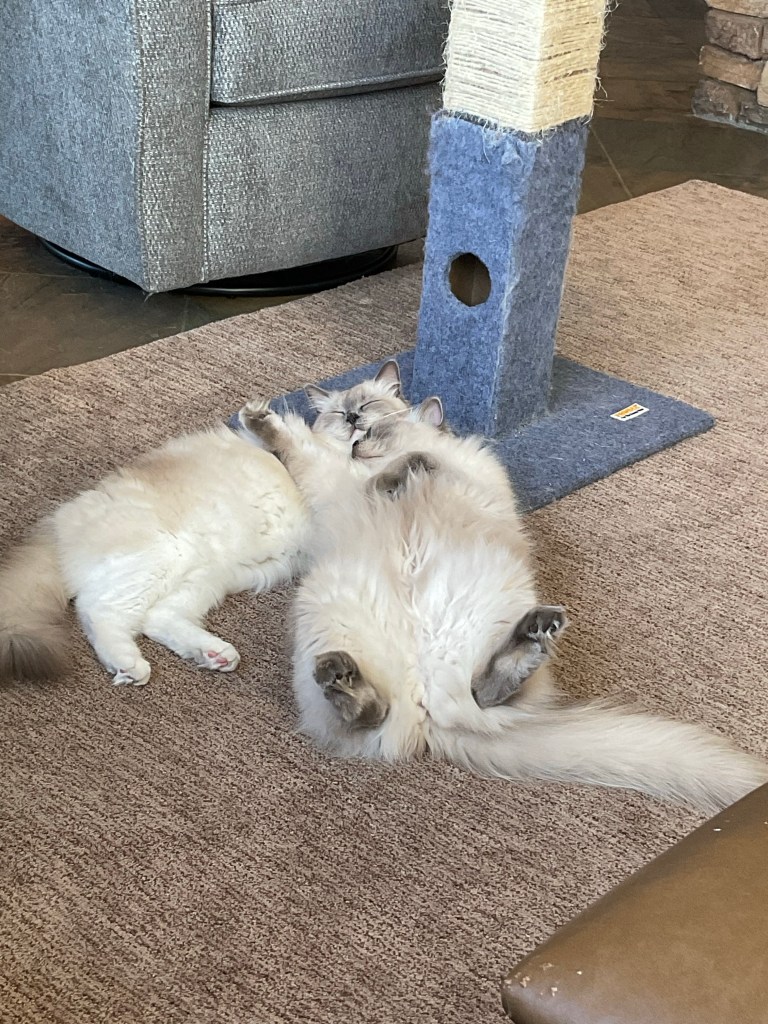
And Christmas for us, with kittens in the house, requires a whole new game plan. Making things festive without creating feline hazard zones is challenging.
And, with a family filled with different eating preferences and diets, food is a puzzle.
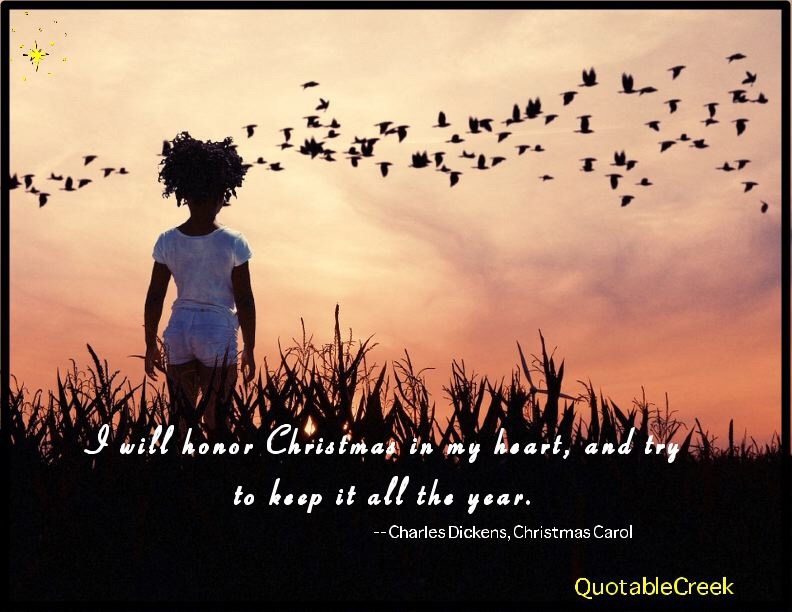
But, as with the Whos in Whoville, Christmas will come and find us regardless of how decorated we are or how many presents are under the tree, and we will learn the underlying truth again that Christmas isn’t about the stuff. It’s about the love. And that, we have in abundance.
How hard it is to lose someone you love. There is so much that seems unseen or unfelt without being shared together. So many visceral, tangible reminders of your loss are everywhere. Sounds, smells, songs, times of day, stories, jokes, and so on. Everywhere you look. There’s no escaping the weight of the loss really.
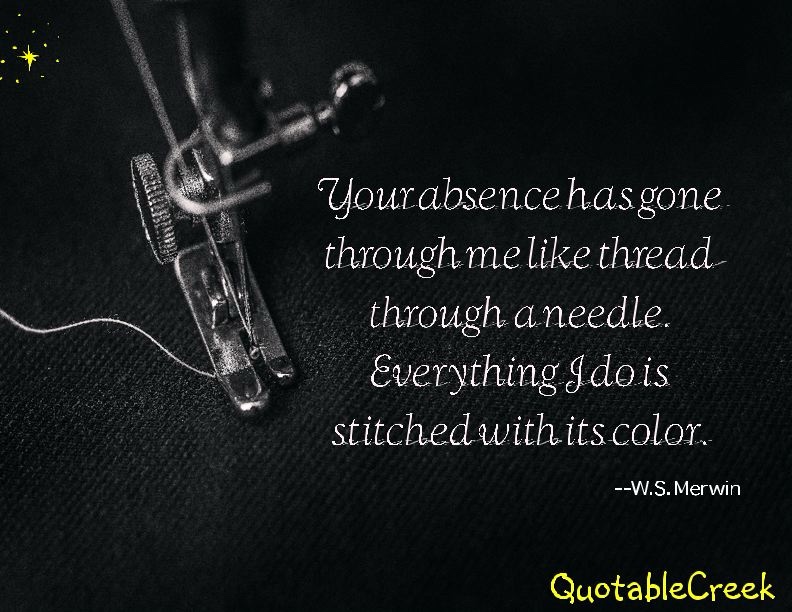
The only thing that makes it bearable is to consider it not loss, but a gift. Moments shared colored your life and made it brighter and more nuanced. The threads of memories you shared become woven together with threads from all the people you’ve loved and become the tapestry that is your life. And that ever-presence becomes not a stab, but a comfort.
e.e. cummings captured it well:
i carry your heart with me(i carry it in
my heart)i am never without it(anywhere
i go you go,my dear;and whatever is done
by only me is your doing,my darling)
i fear
no fate(for you are my fate,my sweet)i want
no world(for beautiful you are my world,my true)
and it’s you are whatever a moon has always meant
and whatever a sun will always sing is you
here is the deepest secret nobody knows
(here is the root of the root and the bud of the bud
and the sky of the sky of a tree called life;which grows
higher than soul can hope or mind can hide)
and this is the wonder that’s keeping the stars apart
i carry your heart(i carry it in my heart)
To all those we have loved and miss dearly, let us look back fondly, grateful for all the colors they brought into the tapestry of our lives, and repeat together:
Isn’t that the bottom line of Christmas? Strip away all the decorations and gifts and songs and celebrations, and what remains is: love wins. It’s about love. God loves us, and we are to love each other. And even in a world divided by hate, blind to oneness, driven by greed, love will win. Because that’s the point of Christmas.
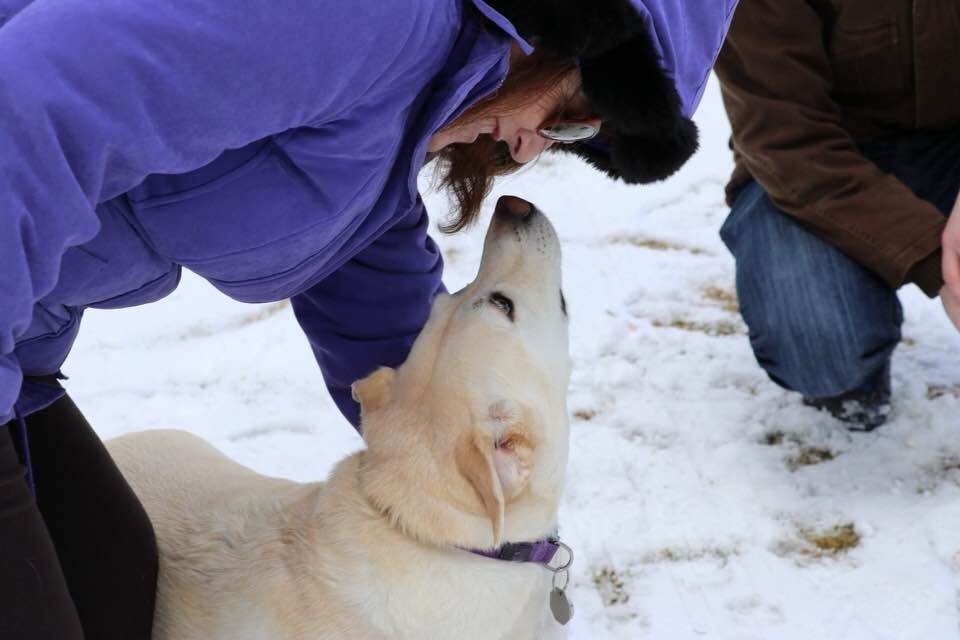
For those of you who know me, you know I recently lost Honey, my beloved dog. Honey was my soul animal, my constant light, my precious girl. I am having trouble accepting that I won’t see her again. The world feels so different without her presence in it. And those eyes. What I would give to look in those eyes again!
Loss is hard. Whether it is of a spouse, a child, a friend, or a pet. We carry a hole with us where that loved one was. But when we sit and consider that relationship and dwell on the things about it for which we are grateful, the loss hurts a bit less.
Smiles replace tears. Warm memories flood our senses. Laughter surprises us. We remember ways we’ve grown or blossomed because of that relationship. Gratitude replaces hurt or anger or grief.
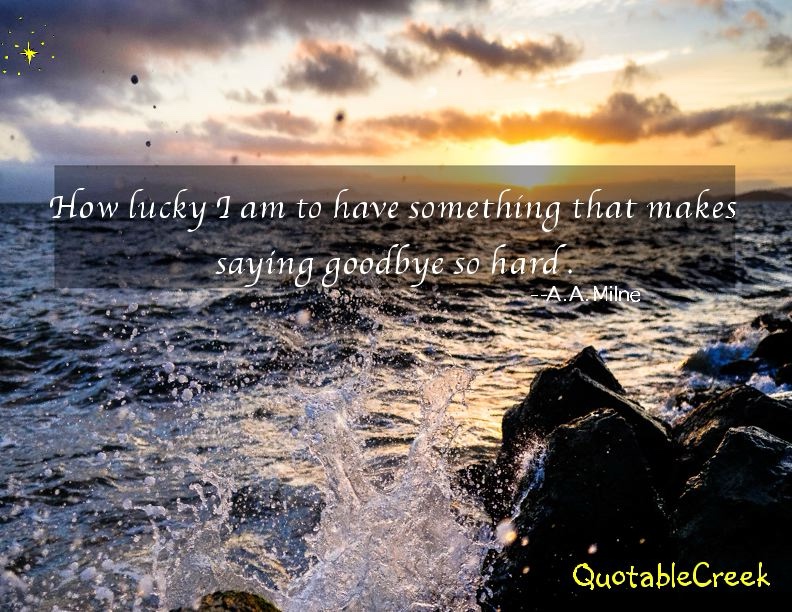
We remember that, yes, we had to say goodbye, but how lucky we were to say hello.
In his letter to the early church at Corinth, Paul sets out how love shows up in the world in his effort to help them get along. It is a frequent text for weddings:
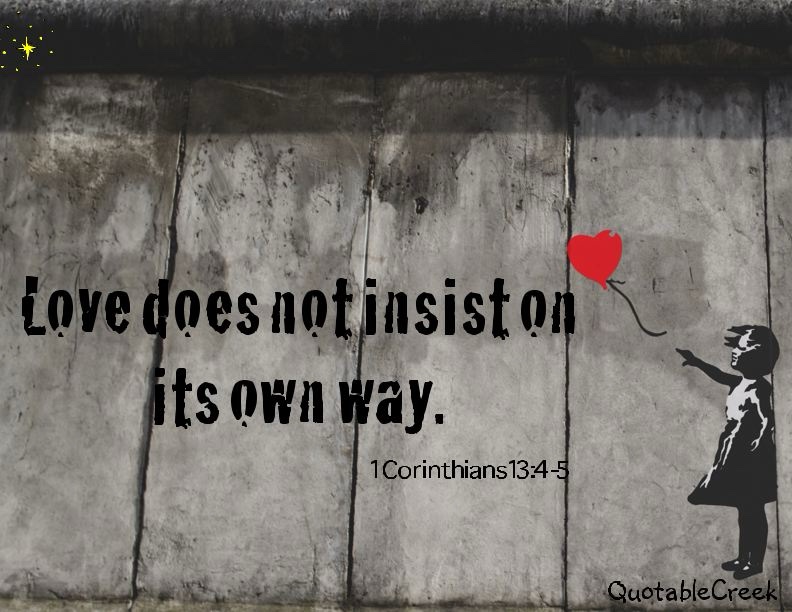
“Love is patient and kind; love does not envy or boast; it is not arrogantor rude. It does not insist on its own way; it is not irritable or resentful…” 1 Corinthians 13:4-5.
To those about to marry, an interesting exercise is to substitute the name of your beloved each time the word ‘Love’ appears. And an even more interesting exercise, for all of us, is to substitute our own names instead of the word ‘love’:
I am patient and kind; I do not envy or boast; I am not arrogant or rude. I do not insist on my own way; I am not irritable or resentful….
How did you do? For many of us, this simple recitation shows us the exact ways and times we are being less than loving and calls us to consider those actions. Must we insist on our own way? How do we know what is right? Isn’t it possible that someone else may be right, too? Are we becoming impatient with others? Can we take a minute to rein ourselves in, breathe deeply, and begin again? Are we holding grudges? Can we let the past go and try to make our present the best possible? And so on.
These checks we can do to measure our progress and monitor our moods against the ideal of love can be very helpful to keep us on track showing up in this world as close to lovingly as we can get.





 QuotableCreek.com