It is a kind of love, is it not? How the cup holds the tea, How the chair stands sturdy and foursquare, How the floor receives the bottoms of shoes Or toes. How soles of feet know Where they’re supposed to be. I’ve been thinking about the patience Of ordinary things, how clothes Wait respectfully in closets And soap dries quietly in the dish, And towels drink the wet From the skin of the back. And the lovely repetition of stairs. And what is more generous than a window?
~ from Another River: New and Selected Poems (Amherst Writers & Artists Press, 2005)
As we age, there is loss. That loss is like a presence that follows us relentlessly like a shadow. No avoiding it. No pretending. We are mortal. The people we love are mortal, perhaps imminently so. This is part of the rules of engagement. And while most of us avoid thinking too much about it, poets like Mary Oliver offer life instructions:
To live in this world, you must be able to do three things:
To love what is mortal
To hold it against your bones knowing your own life depends on it;
And, when the time comes, to let it go, to let it go.
I honestly don’t know which of these three rules is the hardest. Right now, they each seem nearly impossible. But having the courage to follow these instructions feels like the answer.
Her full poem is below.
Look, the trees are turning their own bodies into pillars
of light, are giving off the rich fragrance of cinnamon and fulfillment,
the long tapers of cattails are bursting and floating away over the blue shoulders
of the ponds, and every pond, no matter what its name is, is
nameless now. Every year everything I have ever learned
in my lifetime leads back to this: the fires and the black river of loss whose other side
is salvation, whose meaning none of us will ever know. To live in this world
you must be able to do three things: to love what is mortal; to hold it
against your bones knowing your own life depends on it; and, when the time comes to let it go, to let it go.
Apparently, today is World Penguin Day which reminded me of this delightful story about penguin JinJing and the man who saved his life. Each year, this little penguin swims 5000 miles to be with his friend.
So much is beyond our understanding including heart-warming stories like this about the bonds between a wild animal and a human who showed them kindness.
In all the din, what is one voice more? Why bother speaking up? No one seems to listen to each other anymore anyway.
But inside you is a well spring, and you’re fueled by truth and an honest desire to help others. Your opinion matters.
Consider these words from Marianne Williamson:
“Our deepest fear is not that we are inadequate. Our deepest fear is that we are powerful beyond measure. It is our light, not our darkness that most frightens us. We ask ourselves, ‘Who am I to be brilliant, gorgeous, talented, fabulous?’ Actually, who are you not to be? You are a child of God. Your playing small does not serve the world. There is nothing enlightened about shrinking so that other people won’t feel insecure around you. We are all meant to shine, as children do. We were born to make manifest the glory of God that is within us. It’s not just in some of us; it’s in everyone. And as we let our own light shine, we unconsciously give other people permission to do the same. As we are liberated from our own fear, our presence automatically liberates others.”
Who are you to speak up?
You are a child of God. Let God’s light shine on a dark world through your words.
Spring is my favorite season. The birdsong, the colors, the blooms, jasmine-filled breezes. All of it. Yes, please.
We have yet more rain here in Cali, but even so, the birds are singing their hearts out. And the buds are forming, and the bulbs are up. And the hills are so beautifully green. And somewhere close, the bears are stirring.
Enjoy this spring poem by Mary Oliver.
SPRING
Somewhere
a black bear
has just risen from sleep
and is staring
down the mountain.
All night
in the brisk and shallow restlessness
of early spring
I think of her,
her four black fists
flicking the gravel,
her tongue
like a red fire
touching the grass,
the cold water.
There is only one question:
how to love this world.
I think of her
rising
like a black and leafy ledge
to sharpen her claws against
the silence
of the trees.
Whatever else
my life is
with its poems
and its music
and its glass cities,
it is also this dazzling darkness
coming
down the mountain,
breathing and tasting;
all day I think of her—
her white teeth,
her wordlessness,
her perfect love.
Mary Oliver, House of Light
Spring is also all of this —the wild, the fecundity, the passion, the thirst, and the quenching of thirst. The one question: how to love this world. Life’s yes. This, please.
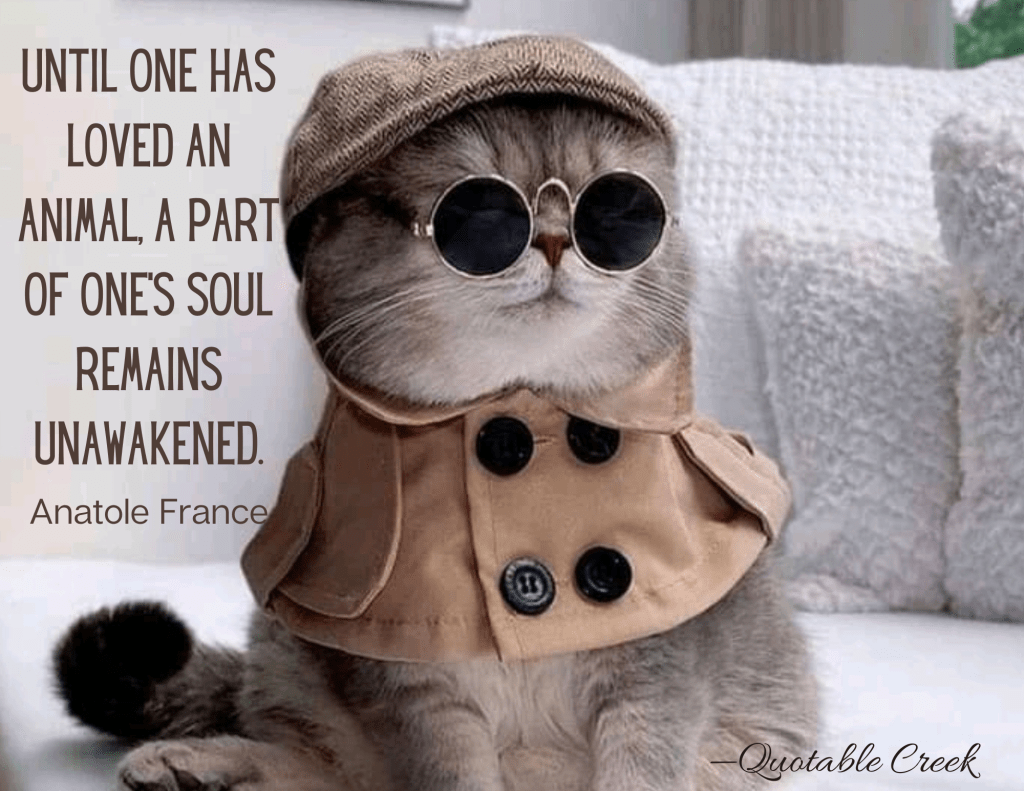
My three-year old said she wished we had a pet. I reminded her we have a dog and wow the genuine look of surprise on her face as it dawned on her that our dog is a pet and not just some guy who lives here.
@missmulrooney
At first it startled and amused me. But as I kept thinking about it, I realized this kid was getting at something deep and true. Our love for our pets can be a deep soul connection. That love crosses into the mysterious, into thoughts about our souls, and can be so strong that our grief in losing them can be devastating.
It’s a reminder of how interconnected and complicated our world is. Of how each creature is precious to that mix. And these thoughts upset the apple cart that has humans always putting ourselves at the center of the universe. But more important, our pets are a gift of love, abundant love, vital to the soul.
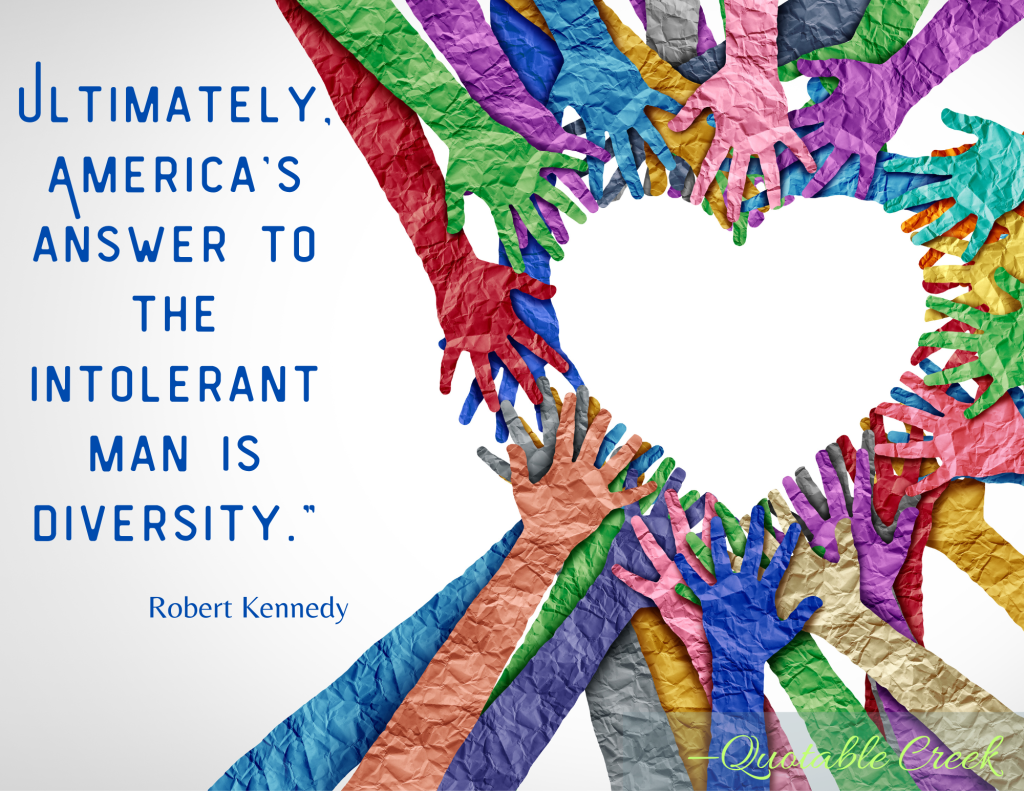
When I was a girl, text books used the term ‘melting pot’ to describe America as if everyone were thrown into one big pot and all the differences were boiled out, with America becoming just one big homogenous pot of glop. But better metaphors have popped up in the years since. Such as a salad bowl:
We don’t need a melting pot in this country, folks. We need a salad bowl. In a salad bowl, you put in the different things. You want the vegetables – the lettuce, the cucumbers, the onions, the green peppers – to maintain their identity. You appreciate differences.
Jane Elliot
But perhaps my favorite is Jimmy Carter’s:
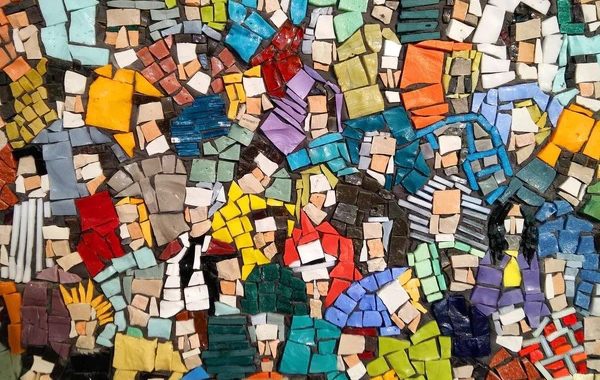
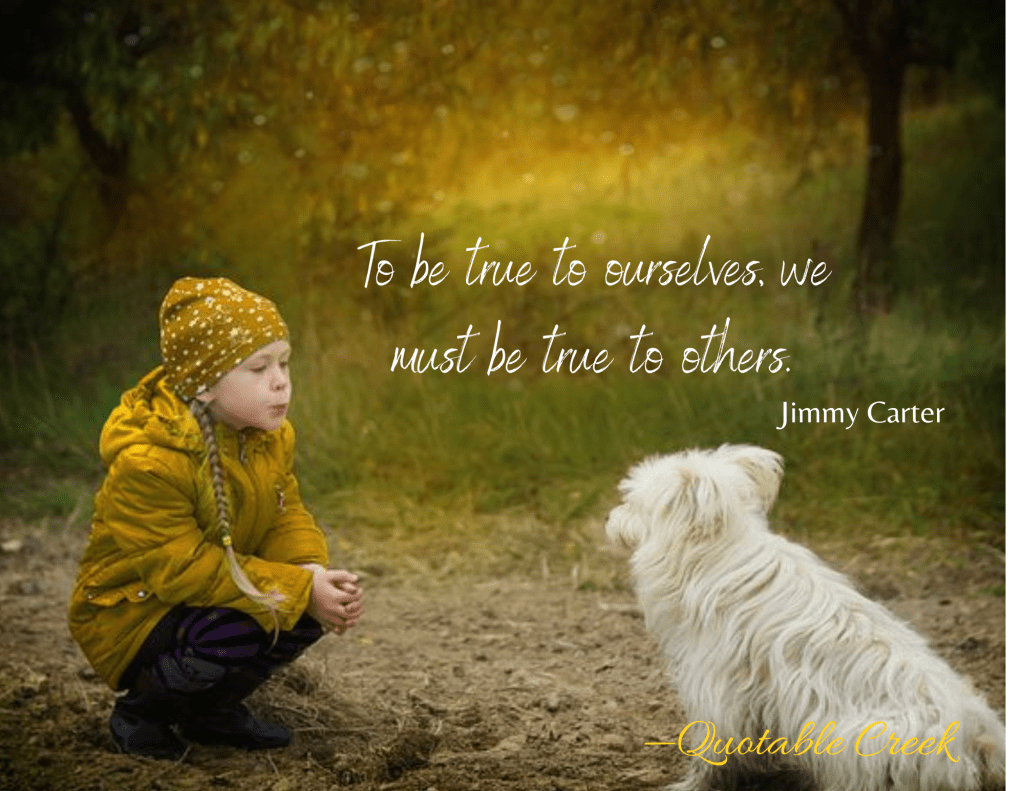
We become not a melting pot but a beautiful mosaic. Different people, different beliefs, different yearnings, different hopes, different dreams.
Jimmy Carter
I love the idea of a mosaic to define America—beauty in all the bits and pieces, each a small distinct individual unit but also a necessary part of a larger picture.
No matter how you describe it, America at its best, living up to its ideals, is stronger because of its diversity, the unique perspectives, the mix of voices, backgrounds, cultures, and traditions.
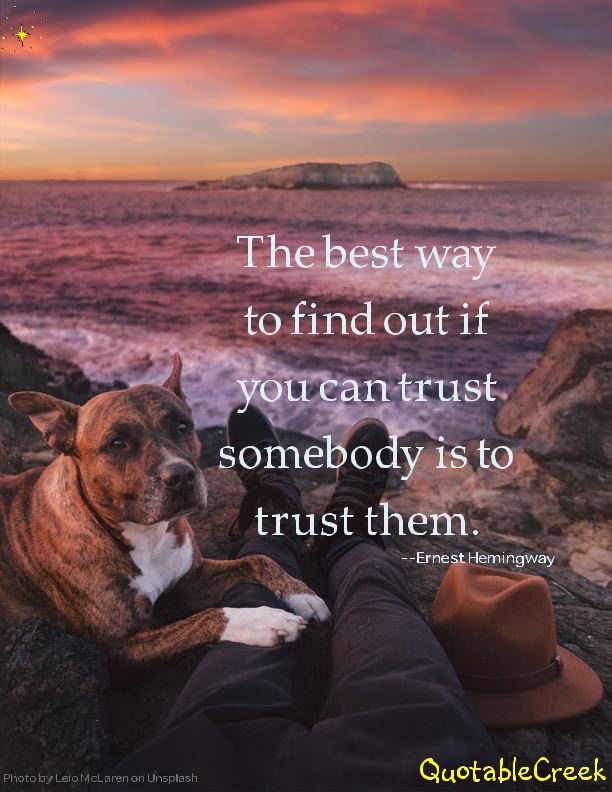
It’s startling to hear something you’ve shared with someone in confidence being talked about elsewhere. It makes you feel so exposed, but, more important, it undermines trust in the relationship. Perhaps keeping secrets isn’t possible, and Ben Franklin was right when he said, “Three may keep a secret, if two of them are dead.”
But, just maybe, people should try harder to be worthy of trust. Brené Brown talks about the important elements of trust, to the acronym BRAVING:
Boundaries Setting boundaries is making clear what’s okay and what’s not okay, and why
Reliability You do what you say you’ll do. At work, this means staying aware of your competencies and limitations so you don’t overpromise and are able to deliver on commitments and balance competing priorities.
Accountability You own your mistakes, apologize, and make amends.
Vault You don’t share information or experiences that are not yours to share. I need to know that my confidences are kept, and that you’re not sharing with me any information about other people that should be confidential.
Integrity Choosing courage over comfort; choosing what’s right over what’s fun, fast, or easy; and practicing your values, not just professing them.
Nonjudgment I can ask for what I need, and you can ask for what you need. We can talk about how we feel without judgment.
Generosity Extending the most generous interpretation to the intentions, words, and actions of others.
It is important to learn which stories are yours to share, to leave the decision whether to share in the hands of the person who owns the story, and to be a safe place for your friend to come. We all need friends; let’s be good ones.
How often do we give others the benefit of the doubt? Do we assume the innocent explanation or conclude the worst? Are we patient, or do we pounce at the very first mistake someone makes in trying to get their thoughts out? Do we search for the best in others, or do we protect ourselves in advance about the damage we fear may be inevitable by opening our hearts to trusting someone again?
Wouldn’t it be lovely to live in a world where everyone gave everyone else the benefit of the doubt? Where perceived offenses weren’t allowed to fester and grow? Where there was trust?
Consider this beautiful poem on friendship by Dinah Maria Craik. Isn’t this how we would like to make each other feel?
Friendship
by Dinah Maria Craik
Oh, the comfort —
the inexpressible comfort of feeling safe with a person —
having neither to weigh thoughts nor measure words,
but pouring them all right out,
just as they are,
chaff and grain together;
certain that a faithful hand will take and sift them,
keep what is worth keeping,
and then with the breath of kindness blow the rest away.
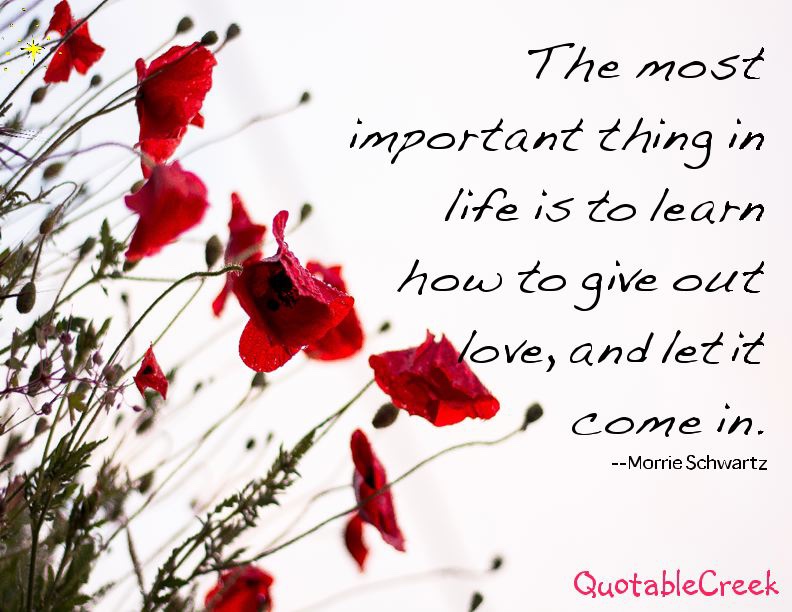
Sometimes we just need to get out of the way. What if we think of ourselves as vessels to collect love and then pour it out–not just on ourselves and those close to us, but on everyone and everything? What would our days look like if every encounter with someone else was an opportunity to be loving and thoughtful? What would our world look like if we used our time and energy to love it? What would our relationships look like if we laid down all our weapons–anger, resentment, hurt, selfishness–and just took the time to love each other, as if our very lives depended on it? They just may.



 QuotableCreek.com