Walk in the direction of your values.

walking

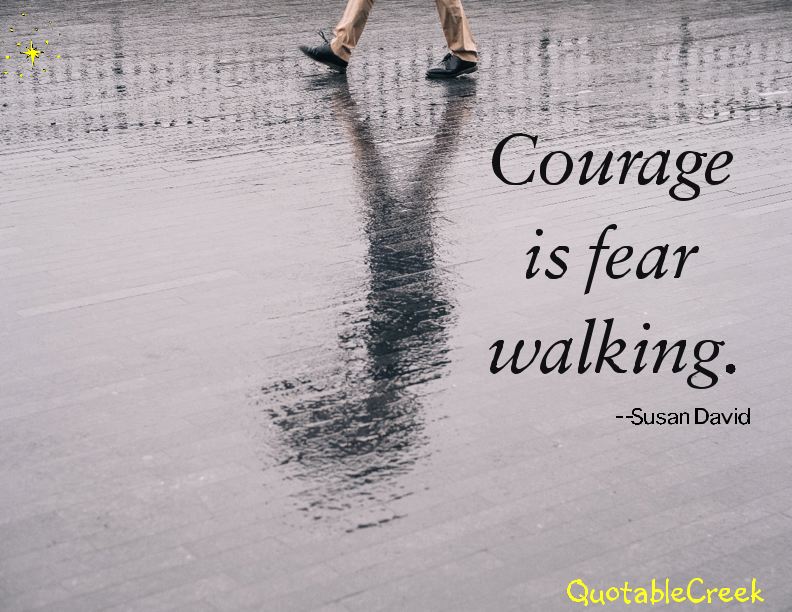
It takes courage to be authentic. It is so easy to stay disconnected from our emotions, afraid to listen to the messages they give us, to put on a happy face, constantly, to be afraid to buck the crowd or disturb the status quo. But the things that upset us are clues, really, to what needs fixing. They are data points that we can take in and consider what needs help–in ourselves, in our relationships, in the world. And tuning in to the full breadth of our emotions juxtaposed against our values can help us discover how we can make contributions in our society–to unmask wrongdoing, to stand up on behalf of the vulnerable, even to advocate on behalf of those society is only too willing to throw away. Authenticity helps us find our voices and the courage even when we are afraid to put on our work boots and start walking in the direction of positive social change.

Justice for all?

sisters

Today, in the United States, we honor our veterans and thank them for their service defending this country and its principles of equality, freedom, and justice for all. Our understanding of those concepts has evolved over time, and taken some steps back, but today let us be grateful for how far we’ve come and consider the steps that we each might take today and every day to make this country move closer to the ideals for which it stands.

Snow monkey or penguin?

sharing

The Japanese Macaques, snow monkeys, are a deeply hierarchical society, their status in the group inherited from their mothers. Living in frigid temperatures, the upper class snow monkeys spend their time in natural hot springs, leaving the rest to huddle in the snow and look on as they luxuriate. The Emperor Penguins also live in frigid conditions, huddled together, but they constantly rotate, letting those most exposed on the outside come to the center for warmth. They take turns. It keeps those in the center from overheating and those on the fringes from freezing.

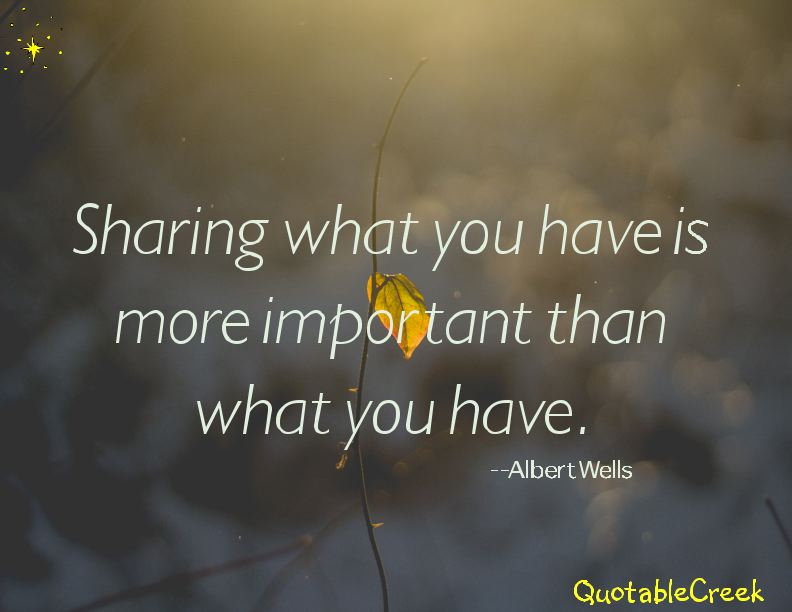
Sharing is an interesting phenomenon. It’s easy to see that when a society shares its resources, the whole group benefits, but how does that play out in the human species? Do we see the benefit to the whole group from sharing what we have, or do we focus on clutching more and more into our own fists? Some humans are uniquely able, it seems, to rationalize selfish behavior even when looking directly at the needs of others. But others consider their own resources an opportunity to help others. This is true both on an individual level, and on a larger societal level. It’s an interesting matter of perspective.

Some snow monkeys, some penguins. Which are you?

Fill ‘er up.

lovelife

Love is a bit like air. We can’t see it, but we can tell when it isn’t there. Love is transformative–of families, of workplaces, of schools, of neighborhoods. It is limitless. It is free. It multiplies when applied to any situation.

What better ingredient to sprinkle in every corner of our lives than love?

Look closer.

vision

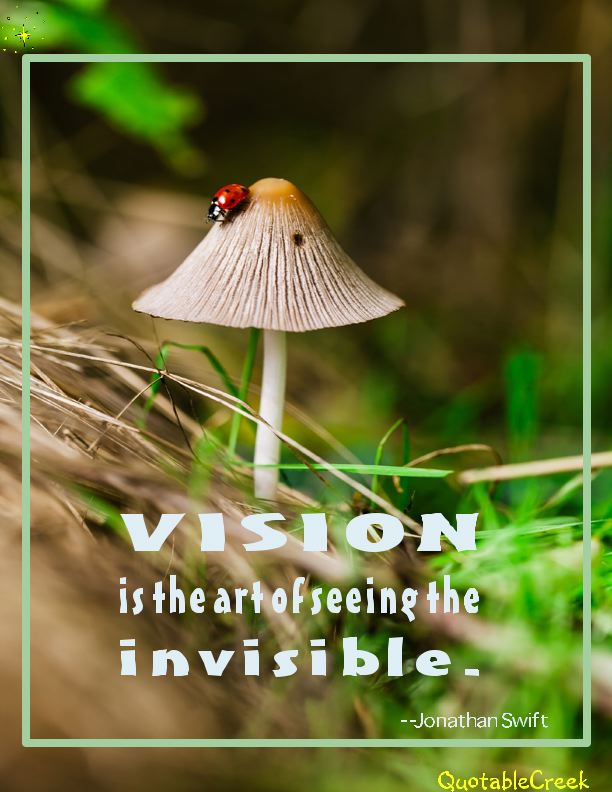
What opportunities lie buried in today’s difficulties? How can we look at a problem from a different angle? When we are overwhelmed or downtrodden, it is hard to believe that things will ever be better, but we have to keep looking, keep acting, keep hoping, keep believing. What we see on the surface is such a small tip of the iceberg of all that is.

Turn your face away from disappointment.

disappointment

Disappointment hurts. Perhaps you tried to help somebody, and they rebuffed your attempt or you thought something was going to work out in your favor, but it didn’t. It’s easy to get defeated. But when we ground ourselves in the present moment and consider all the opportunities here, we can move past disappointment and hope for a better resolution next time. We can begin to build again.

Let love blossom.

osho

If you look for thorns, you’ll see thorns. If you look for love, you’ll see it all around you. And if you look for opportunities to make a difference, to shower people with love, and to take a stand for all that is good and right in the world, those opportunities will be there.

What opportunities do you see in the day ahead?

I know you are, but what am I?

wounding

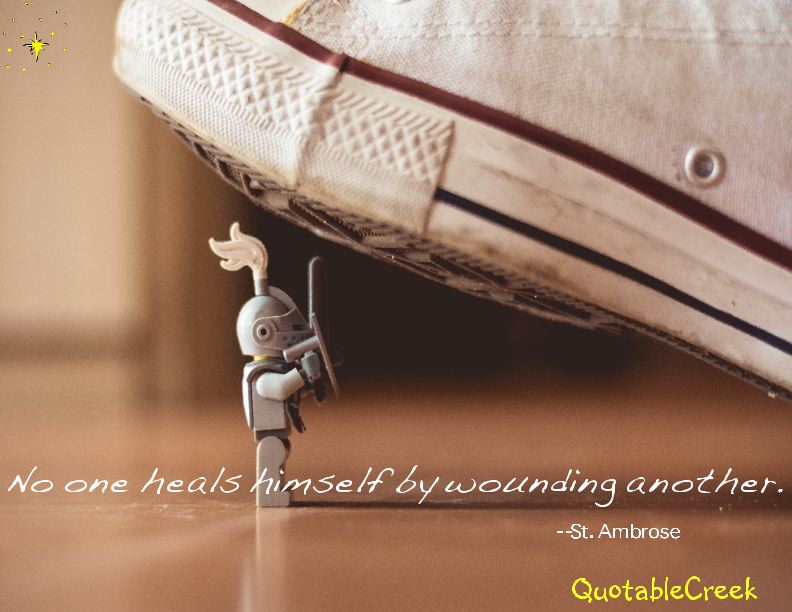
Angry words. Personal attacks. It seems too common these days for someone to try to win an argument by cutting their opponent down at the knees rather than, for example, by having a good argument. But the personal attacks are just keeping everyone wounded and hurting. No progress is made. Real issues go unaddressed. Everyone suffers.

What if, instead, we try to respond to people without tensing up and bracing for impact, without turning to an angry smear, without trying to wound?

What if, even better, we look for ways to lift each other up?

Do not be afraid to question.

question

What questions do we frame for ourselves at the end of the day? What are the questions that have caused us to soul-search and perhaps take a new path? What questions have forced you to look at something a different way?

Sometimes the questions are more important than the answers. There are some that resonate so deeply with us, we may spend a lifetime trying to answer them. In her piece about the beauty of these profound questions, Karen Horneffer-Ginter identifies some that have been meaningful to her:

When used properly, questions have the potential to connect us to the world of another. A heartfelt “How are you?” or “How was your day?” can become the bridge that keeps us in relationship to the lives of those we love. Sometimes, too, questions create a bridge within ourselves, allowing us to hear what’s going on at a deeper level. We know when we’ve encountered a question that has this potential because it stays with us — maybe for the day, maybe for our whole lives. It taps us on the shoulder to wake us up, or it wiggles its way in more deeply, opening us up to seeing things in a new way.

I still recall first encountering Judith Duerk’s chorus of questions about how my life might have been different if there had been a sacred circle to step into. Mary Oliver asking me about my plans for this one wild and precious life, Oriah Mountain Dreamer wanting to know what I ache for and if I dare to dream of meeting my heart’s longing, and Angeles Arrien reminding me of the questions asked in some indigenous cultures: When did you stop singing? When did you stop dancing? I think of my friend Ming,asking me at lunch one day if I thought writing was my fullest and truest expression. All these questions have remained close companions across the years.

And just the framing of the question can be significant, as she suggests. Consider the difference between ‘What do I have to do today?’ and ‘What do I get to do today?’ That simple shift helps us move from feeling burdened to being grateful for all the opportunities presented by the day.

What are the questions that have been your close companions? What do you get to do today to help answer them?

A tip

unrest

Apparently, one day in 1922, Albert Einstein was caught short, unable to leave a tip on his lunch bill. Instead, he scrolled:

“A quiet and modest life brings more joy than a pursuit of success bound with constant unrest.”

Einstein hoped his words would prove valuable to the young waiter some day. Ironically, that scrolled message recently fetched over a million dollars at auction. More valuable, indeed.

But, setting humor aside, isn’t Einstein right? What are the moments that bring us joy?

Are they in the hustle and bustle and endless striving, or are they in life’s quiet moments, those moments with no posturing, no striving, no achieving? Just being.