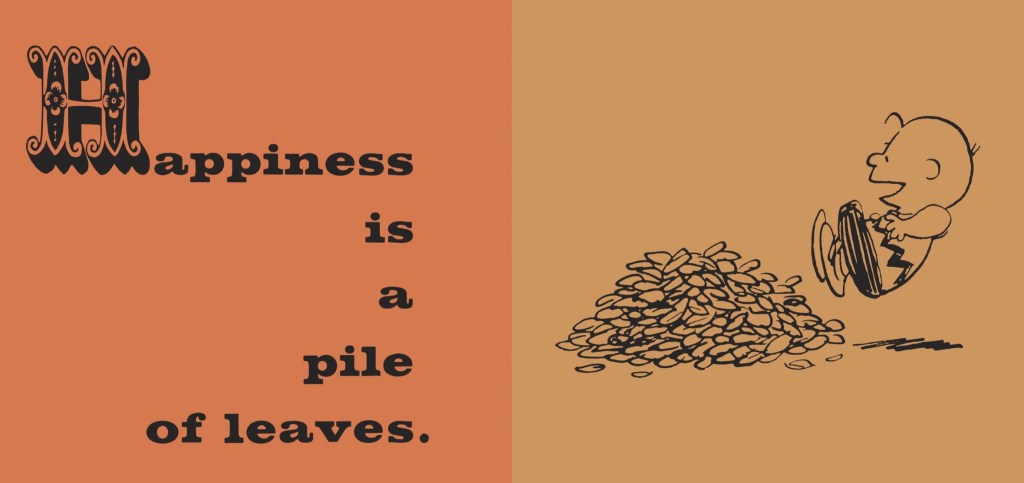
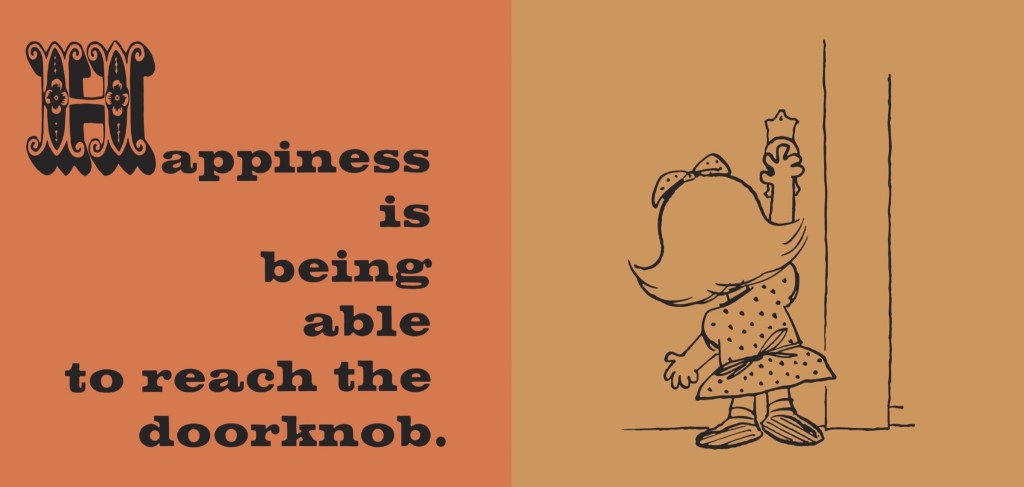
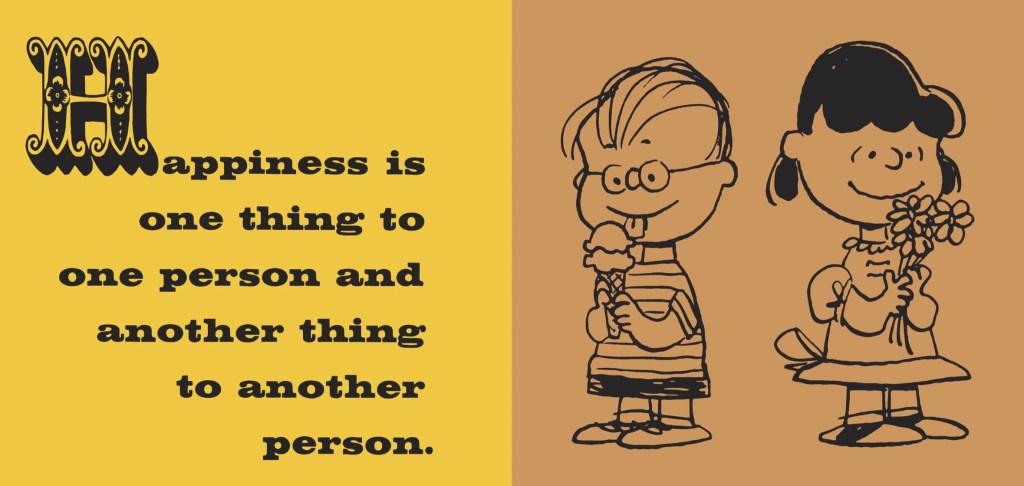
When I was young, I had the book Happiness is a Warm Puppy by Charles Schulz. I was remembering it lately with all the charming little moments it caught:
Each page captures a delightful, sweet, innocent, but meaningful, moment in the life of a child. Each attempting to capture that ineffable notion of happiness. I thought it would be fun to start collecting my own when I feel that surge of happiness, that feeling that all is right in the world, and I’m incredibly lucky and content.
Here are a couple of mine:
Happiness is…
The finches discovering their feeder.
Happiness is….
The cat keeping you company while you work.
Happiness is…
Being unable to move because the cat picked your lap.
And the list goes on. We each have moments that fill us with happiness and wonder. They slip away quickly because they’re ephemeral. But if we capture them somehow, in a gratitude journal, with a photo album, a list, we can turn to them later and smile. These are our ‘moments’
Schulz recognized that for each of of us, those moments will be unique and personal.
What are some of yours? If you feel comfortable doing so, I would love it if you shared them.
The Rose Parade is always a joyous start to the new year, the pageantry, the vivid colors, the community. The floats are huge, once nearly 100 feet tall. (Disney 2004). Every inch must be covered with something organic—mostly flowers, of course, but also oatmeal, potatoes, beans, seeds, and so on. The illusions created are remarkable. Look at the bicycles in the photo above (Kaiser 2023). Every detail created out of flowers and organic material. You think you’re looking at bicycles, but really you’re looking at a masterful combination of organic material:
The pink and yellow bikes are made from cut straw flowers confetti, while the blue bike is made from blue statice. The black bike tires are made from onion seeds and the handlebars are comprised of dark lettuce seeds. Other flowers and materials used include pampas grass, banana leaf, red and pink anthurium, commadore fern, Italian ruscus, lemon leaf, and green dianthus.
In many ways, a Rose Parade float is a metaphor for life: you think you see things one way, but really everything is a combination of multitudes of factors—point of view, back story, nuance, history. Very little is as objective as we first think. This is particularly true when it comes to looking at each other. We are all a combination of life experience, history, bias, personality, filters and so on. We each bring that myriad of factors to our encounters.
Our job in everything is to look closely and pay attention, to move past assumption and bias. Jumping to hasty conclusions will get you trying to ride bicycles made of pampas grass.
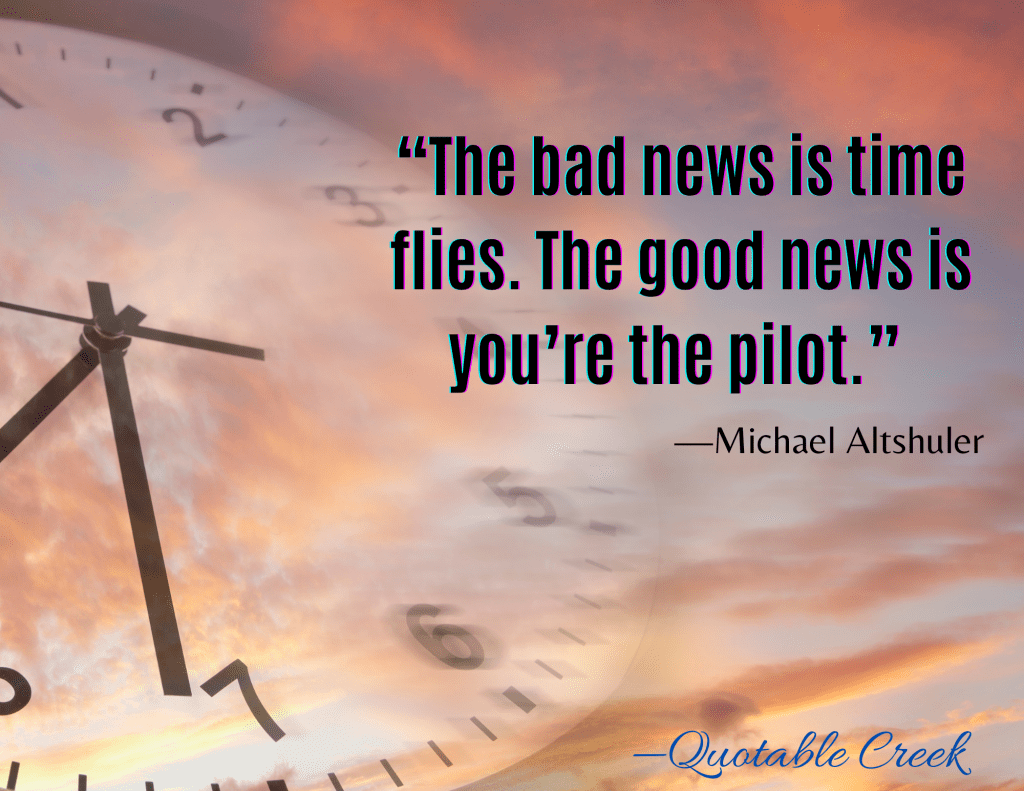
As we age, time feels like it is moving faster. This makes sense considering the math, perhaps. One year to a 100 year old is just one percent of their life, but to a two year old, it’s 50% more. But scientists are saying there is another reason having to do with the diversity of experiences.
“Our brain encodes new experiences, but not familiar ones, into memory, and our retrospective judgment of time is based on how many new memories we create over a certain period. In other words, the more new memories we build on a weekend getaway, the longer that trip will seem in hindsight.”
And this squares with why we felt that there was more time when we were younger when everything was new, and when our days were filled with varied experiences.
So perhaps there is a way to slow down time: fill it up, stretch your experiences, try new things, explore, savor, forswear the ordinary.
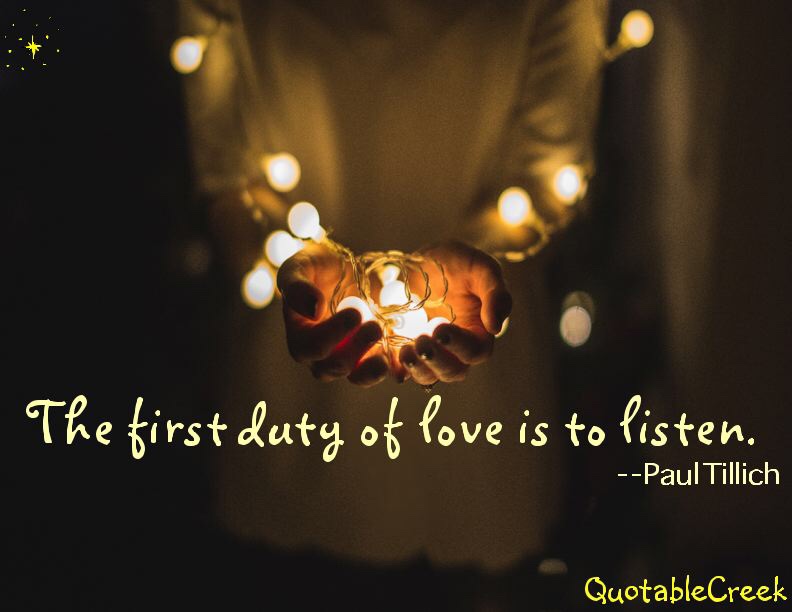
Listening, truly listening–without an agenda, without interrupting, without offering solutions or fixes, without criticism or judgment–is a rare thing. But it is vital to relationships. And it is a gift to be in a position to listen. Someone is trusting you with their story, their feelings, their hurts and hopes. That is precious. How can we best listen to each other?
In this thoughtful article, Martha Caldwell offers advise for listening compassionately in the classroom that really applies well to any situation. As a compassionate environment transforms a classroom, it too transforms any relationship. Consider her suggestions:
1. Be fully present. We bear witness to someone’s felt experience by giving them our complete and undivided attention. Paying full attention when someone is speaking creates safety and focus in the classroom. Compassionate listeners maintain complete silence and pay attention not only to words they hear, but also to facial expressions, body language, and tone of voice, noticing even the silences between words.
2. Know listening is enough. Listening with deep attention involves a calm, relaxed state of mind, free of the desire to “fix” someone or solve their problems for them. It does not involve giving advice or intervening in any way. If our minds are busy coming up with solutions for the speaker, we fail to truly listen.
3. Respond with acceptance. Deep listeners are motivated by the desire to understand how others feel and how their experiences have affected them. Their genuine interest and heartfelt concern make it safe for others to share their vulnerabilities because they sense that what they say will be received without judgement.
4. Understand conflict as part of real-life learning. A learning community in which people are encouraged to be honest and express how they feel involves a degree of risk. Conflict may arise. Sometimes this happens, and working through difficult feelings may take time. However, when we stay connected and stick with the process, conflict can be a catalyst for positive change. When conflict can be resolved, relationships often become stronger.
5. Ask authentic questions to learn more. By asking open-ended questions like “What was that like for you?,” “Can you tell me more about that?,” or “What were you experiencing?,” compassionate listeners guide speakers to share more deeply. These questions are motivated by the desire to honestly learn more (as opposed to reinforcing preconceived notions). If they think they may not have understood something, listeners can repeat back what they think they heard and ask for clarification. “Did I hear that right?”
6. Be gentle with yourself. Deep listening involves compassion for yourself as well as for others. Accept yourself and your internal feeling responses without judgement. Allow yourself time to process and learn.
7. Treat the candidness of others as a gift. Honor the trust others have placed in you and keep what you hear confidential.
Today, listen deeply and be grateful that someone is trusting you with their story.
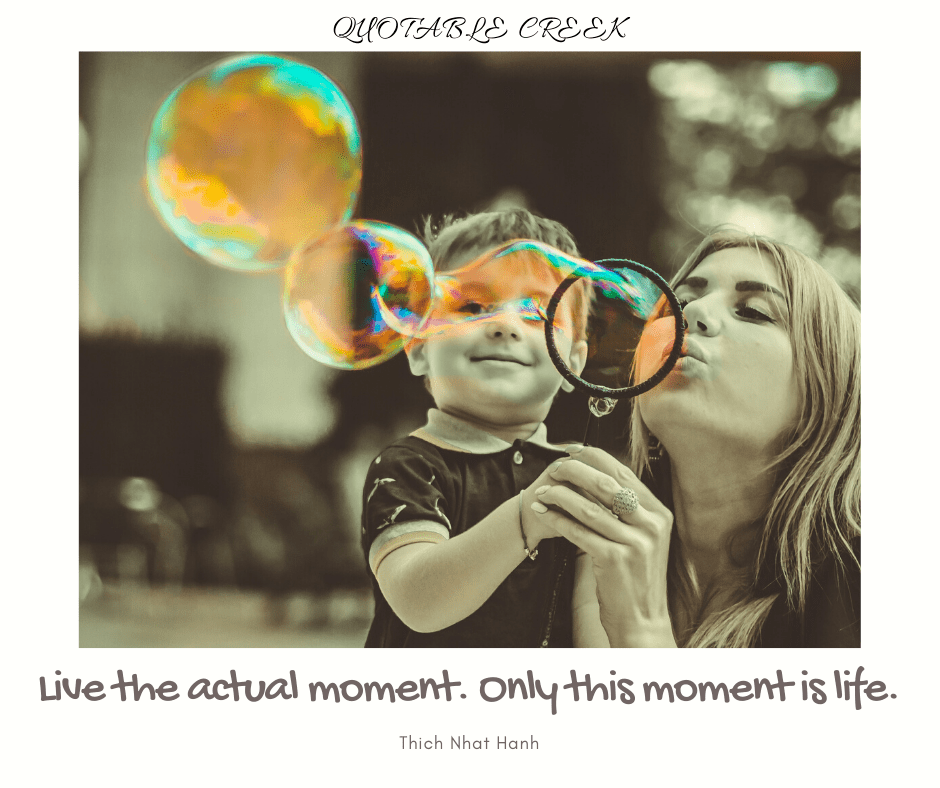
For better or worse, we have pushed a collective pause button. Our world just got narrower on the outside. Perhaps this is the time to broaden it on the inside. Enjoy the moments. Reach out to people to check in and tell them you care. Savor the little things. Pause and reflect.
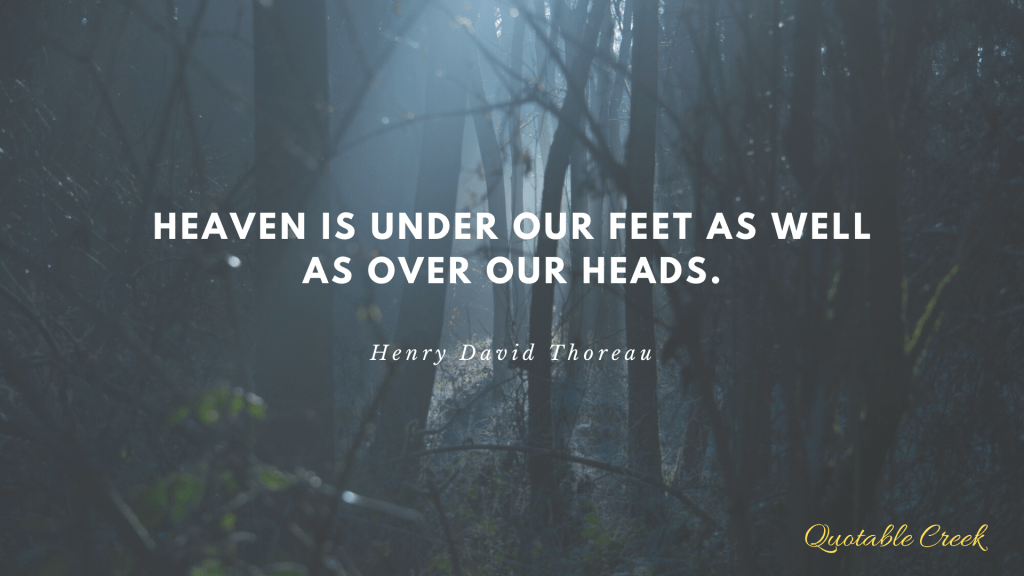
What do you think heaven looks like? Certainly, if we can see there, it is a place of great beauty and marvelous complexity where we marvel at God’s creation. If we can hear there, music that stirs the soul must be the score. And so on through our senses
But what if we are not corporeal in heaven and don’t have senses per se? What then? Perhaps it is a place of harmony, of communion, with everyone different but united in common purpose.
These are good things, yes? Appreciating beauty in God’s creation, enjoying music that stirs the soul, being so present in our bodies that we marvel at its systems? And, of course, communion, harmony, peace? These are good things.
Perhaps, today, we can take time to bring a bit of heaven to earth. Pause to admire the beauty around us, savor, marvel, be astonished. And then with our senses full and renewed, have courage to bring peace and harmony to our day.
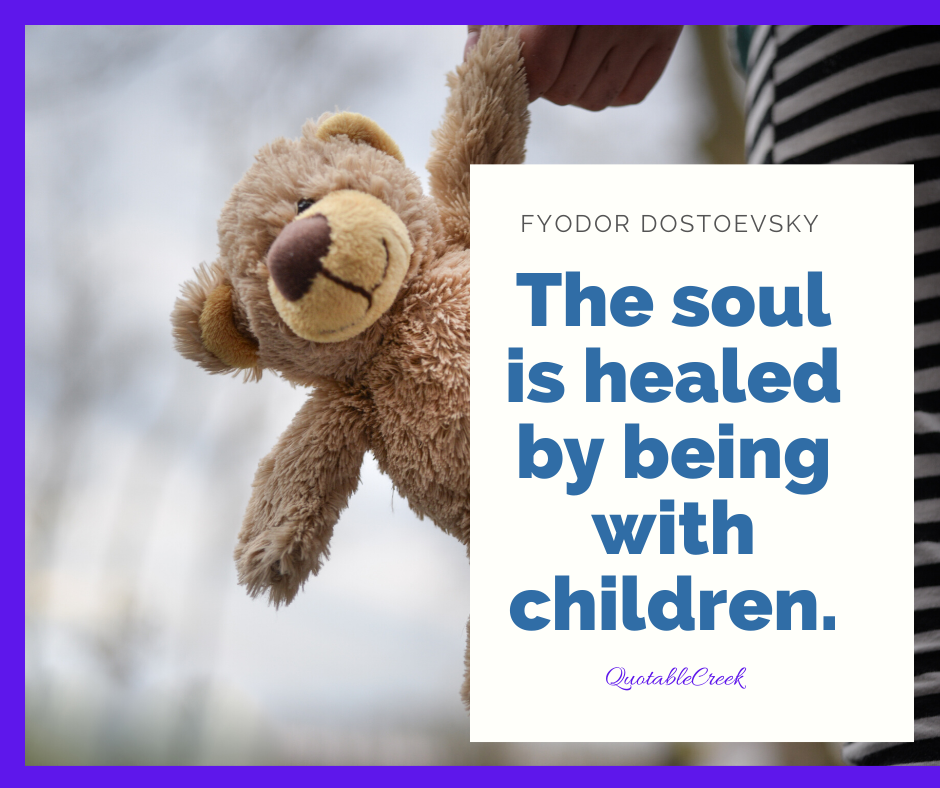
Do you remember what it is like to look at the world through a child’s eyes? When magic, wishes, and hope are as real as the miracle of the sun coming up each day? When trust is the default response? When everything is filled with wonder? How lucky we are to have children to bring us back to that time we better understood the world because now we’ve gotten too serious to appreciate or even see the mystery.
How much do we really know about the people we see day to day? Sometimes we may inadvertently consider the people around us extras in the movie about our own life rather than complicated individuals with their own stories, hopes, and dreams.
In this remarkable TED talk, Dave Isay shares how he came up with StoryCorp, an attempt to preserve the stories of whole generations of people, including the forgotten and overlooked people in our society.
He talks about how he looks back on the recorded interview he made with his own, now passed, father and reflects on how vital it is to ask the questions and record the answers. Have we taken the time to ask our parents and grandparents about what life was like when they were young? What their hopes and dreams were. Who mattered to them and why. What they are most proud of and what lessons they have learned.
Imagine how much richer our own histories would be if we could hear about the hopes and dreams of the relatives who came before us. Imagine how much richer our cultural history would be if it were informed by so many perspectives.
Have you ever wondered why everything is so beautiful? Have you stood rapt in the brilliant colors of a sunset, or listening to birdsong in the morning, or watching the way a caterpillar humps along with all its little feet working together? Perhaps there are logical, book smart reasons, like flowers are beautiful to attract bees, or animals are beautiful to attract mates or to warn predators they’re toxic, or some such thing, but don’t those answers beg the question really? Why is beauty? Could the answer be that it is to inspire awe in us? And our job is to notice.
A master violinist can play Bach on a precious instrument, and most people will just walk by:
We are living in a place filled with beauty if we only stop to notice. For inspiration, consider Mary Oliver’s poem, The Summer Day:
The Summer Day
Who made the world?
Who made the swan, and the black bear?
Who made the grasshopper?
This grasshopper, I mean-
the one who has flung herself out of the grass,
the one who is eating sugar out of my hand,
who is moving her jaws back and forth instead of up and down-
who is gazing around with her enormous and complicated eyes.
Now she lifts her pale forearms and thoroughly washes her face.
Now she snaps her wings open, and floats away.
I don't know exactly what a prayer is.
I do know how to pay attention, how to fall down
into the grass, how to kneel down in the grass,
how to be idle and blessed, how to stroll through the fields,
which is what I have been doing all day.
Tell me, what else should I have done?
Doesn't everything die at last, and too soon?
Tell me, what is it you plan to do
with your one wild and precious life?
What a gift we have been given to have the chance to notice the beauty all around us today!
Sometimes our eyes and hearts are focussed so far in the distance, that we fail to see what is right in front of us. The people we spend our days with, the beauty surrounding us, the opportunities we have to make a difference. When we zoom in to the detail, the richness of the particular moment can be astounding and surprising. What a beautiful, remarkable world we live in. So full of complexity. Each person we see is as full of contradictions and surprises as we are ourselves. Each living or created thing we see is so full of detail.
Long-term goals are great, but what a shame if we don’t appreciate each step along the way. We may work side by side with someone but barely know their name let alone what their hopes and dreams are. We may be so busy moving forward that we are blind to the heartache of even the people we live with. It is easy to speed through life with eyes averted like people descending in an elevator focussed only on the floor numbers.
Today take time today to enjoy the journey, the mysteries unfolding all around you, the people who share your path, and all the beautiful and startling things right here, right now.
Like, for example, who can not stop and be amazed at this little beagle shaking its jowls, its great ears flopping to the beat, its sturdy paws holding on in front but shifting with its wagging tail in back, the gorgeous landscape behind it? What a fascinating little miracle, right here. Just this.









 QuotableCreek.com