Have you ever stopped to consider how many of your decisions are controlled by fear? Or how others may attempt to control you by exploiting those fears?
Fear is a useful emotion. It can help us avoid danger and give us a boost of adrenaline to combat foes. But bathing in it, day in and day out, as some news sources would have us do, is a recipe for disease. Our bodies simply aren’t equipped to be in a constant state of fight or flight.
One of the answers must be to consider the reality of what makes you afraid. Is someone telling you stories to whip up your emotions? Is it true? If someone is manipulating you, you must find a way to step back and give yourself some perspective. Consider other sources. Evaluate the data. Analyze what will happen if the dreaded event comes true. Find physical ways to give your body comfort.
Ask yourself, what is this person trying to make me fear, and what are they trying to get me to do. What’s in it for them? That analysis will help give us the tools to determine if the fear is real or if someone is manipulating us.
We can buck up and deal with real threats. But imagined threats, particularly when someone is trying to keep you afraid to manipulate your actions, requires your own intervention.
Sometimes we just need to get out of the way. What if we think of ourselves as vessels to collect love and then pour it out–not just on ourselves and those close to us, but on everyone and everything? What would our days look like if every encounter with someone else was an opportunity to be loving and thoughtful? What would our world look like if we used our time and energy to love it? What would our relationships look like if we laid down all our weapons–anger, resentment, hurt, selfishness–and just took the time to love each other, as if our very lives depended on it? They just may.
What do we regret most as we contemplate the end of our time here? Maybe the lesson from that regret can inform our present. In an outstanding commencement speech, George Saunders reflects on his own failures and encourages the graduating students to look for opportunities to be kind. He reflects on a memory haunting him from his childhood:
In seventh grade, this new kid joined our class. In the interest of confidentiality, her Convocation Speech name will be “ELLEN.” ELLEN was small, shy. She wore these blue cat’s-eye glasses that, at the time, only old ladies wore. When nervous, which was pretty much always, she had a habit of taking a strand of hair into her mouth and chewing on it.
So she came to our school and our neighborhood, and was mostly ignored, occasionally teased (“Your hair taste good?” — that sort of thing). I could see this hurt her. I still remember the way she’d look after such an insult: eyes cast down, a little gut-kicked, as if, having just been reminded of her place in things, she was trying, as much as possible, to disappear. After awhile she’d drift away, hair-strand still in her mouth. At home, I imagined, after school, her mother would say, you know: “How was your day, sweetie?” and she’d say, “Oh, fine.” And her mother would say, “Making any friends?” and she’d go, “Sure, lots.”
Sometimes I’d see her hanging around alone in her front yard, as if afraid to leave it.
And then — they moved. That was it. No tragedy, no big final hazing.
One day she was there, next day she wasn’t.
End of story.
Now, why do I regret that? Why, forty-two years later, am I still thinking about it? Relative to most of the other kids, I was actually pretty nice to her. I never said an unkind word to her. In fact, I sometimes even (mildly) defended her.
But still. It bothers me.
So here’s something I know to be true, although it’s a little corny, and I don’t quite know what to do with it:
What I regret most in my life are failures of kindness.
Those moments when another human being was there, in front of me, suffering, and I responded . . . sensibly. Reservedly. Mildly.
We all have so many opportunities to make a difference, just by simply being kind, offering a smile, reaching out in friendship. And, when we reflect on the kindnesses that have made the difference to each of us in our own lives, we realize those little shows of kindness are what matter.
Saunders continues to remind each of us that our inner selves, our souls, shine as brightly as ever, and, even as we strive for success, to keep checking in with that inner place, and to believe it exists and greet the world from there:
Do all the other things, the ambitious things — travel, get rich, get famous, innovate, lead, fall in love, make and lose fortunes, swim naked in wild jungle rivers (after first having it tested for monkey poop) – but as you do, to the extent that you can, err in the direction of kindness. Do those things that incline you toward the big questions, and avoid the things that would reduce you and make you trivial. That luminous part of you that exists beyond personality — your soul, if you will — is as bright and shining as any that has ever been. Bright as Shakespeare’s, bright as Gandhi’s, bright as Mother Teresa’s. Clear away everything that keeps you separate from this secret luminous place. Believe it exists, come to know it better, nurture it, share its fruits tirelessly.
When you are confronted with a choice, err in the direction of kindness.
There are as many ways to pray as there are people praying. But what is it, exactly? Maybe it’s easier to answer what it isn’t: a flamboyant show, a chance to pose and preen publicly, a subterfuge, a droning recitation of memorized but not considered words.
What prayer actually is, though, is more complicated: a bridge between ourselves and the mysterious, a chance to become small, and yet fully individual, in a vastness, an experience of awe. Mary Oliver’s definition above in her poem Praying is lovely: a doorway into thanks. Consider the whole poem:
Praying
It doesn’t have to be
The blue iris, it could be
Weeds in a vacant lot, or a few
Small stones; just
Pay attention, then patch
A few words together and don’t try
To make them elaborate,
This isn’t a contest but the doorway
Into thanks, and a silence in
Which another voice may speak.
Pay attention; see the beauty around you; give thanks. Rinse and repeat.
Rob Kenney has a YouTube channel Dad, How Do I? where he teaches his nearly 3 million viewers how to do stuff. He got the idea for his channel wondering about the kids growing up without dads and wanting to help fill that space for them, teaching them how to tie their tie, do their taxes, check their oil, plant a tree, and so on. He tells them he’s proud of them.
What a sweet idea. And resource! But, more importantly, how wonderful it is to see someone consciously being a positive role model, using his know-how to help others, and trying to fill a void.
The truth is we all have the potential to be role models. Whether it’s how we behave under pressure, handle a crowded line, or talk with someone who disagrees, our actions matter. People will see us and think about whether they want to follow our example. We have a responsibility to be a good one.
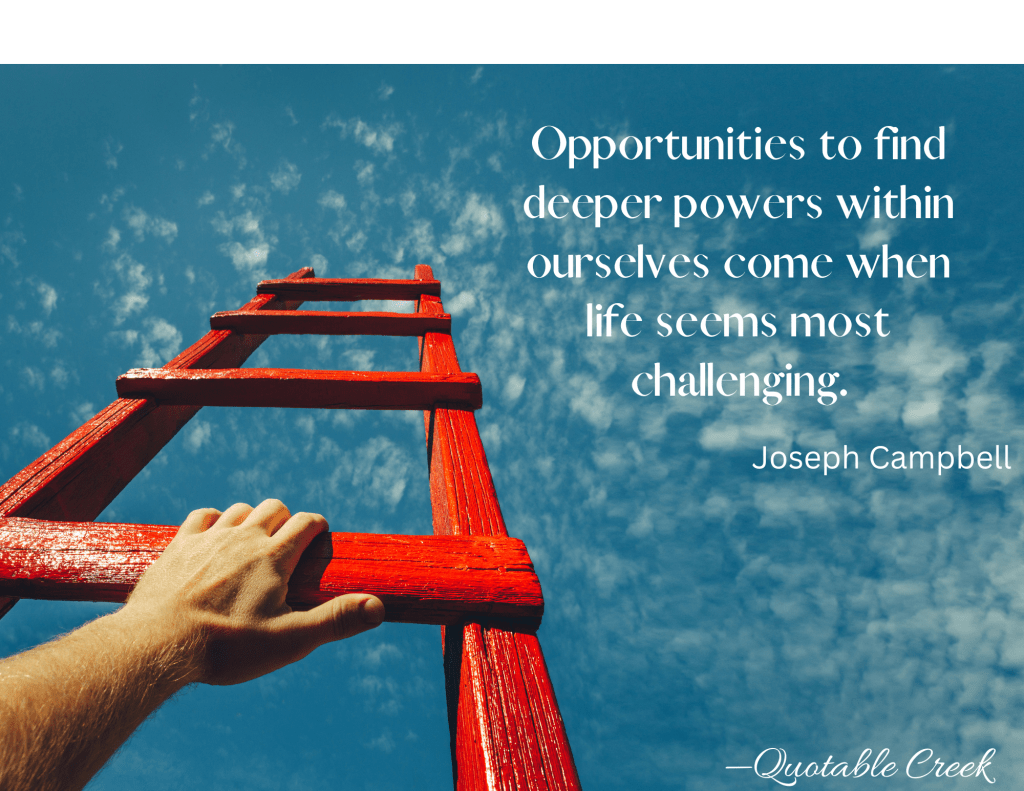
We each decide if we are to be the hero of the story our lives are writing. We each will hear calls to adventure and must decide whether we will rise to the occasion. We each struggle with challenges and learn, or not, from the experience. What will your story be? How will you meet the challenges you encounter?
In this short film, Matthew Winkler outlines Joseph Campbell’s Hero Journey, a path we all must take.
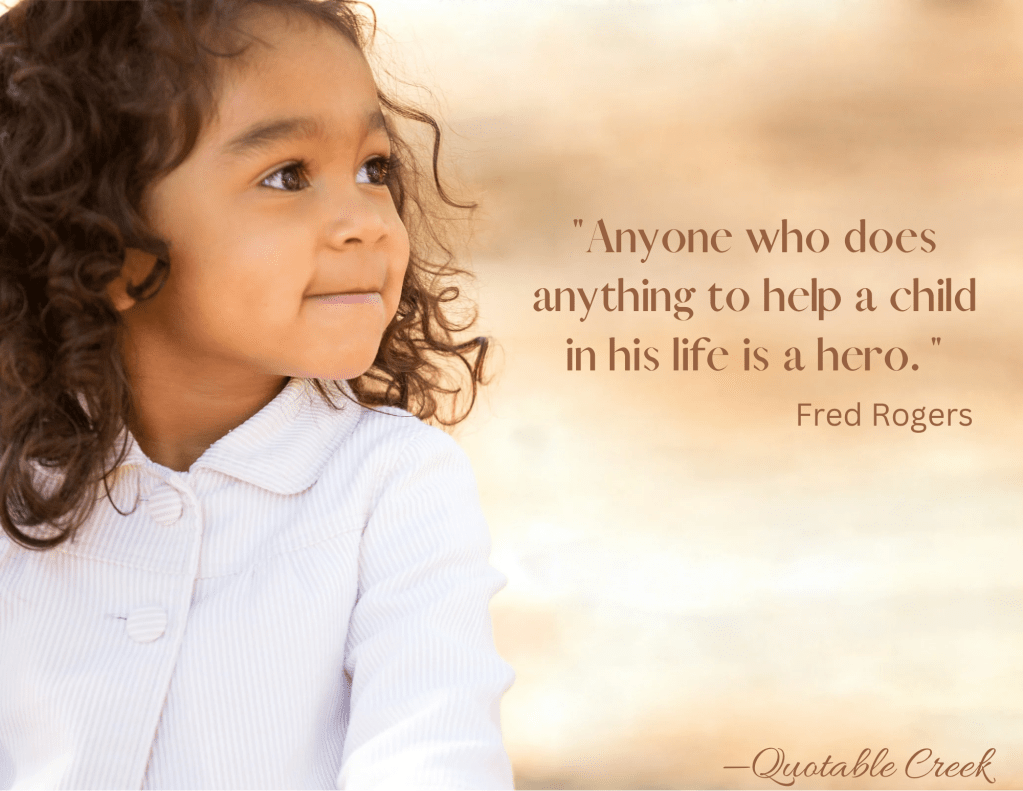
In a week of mass shootings and other discouraging news, we need a dose of Mr. Rogers, a man who believed passionately in the value of children, just as they are, and dedicated his life to teaching them to manage and express their feelings. What a hero he was.
In this clip from 1969, he makes his case. His lessons are as important today as they were then. Take a listen.
The Parable of the Good Samaritan is well known. In short, a man lies helpless and injured in the road. Religious leaders rush past offering no assistance, while a Samaritan stops and offers the wounded man succor and solace.
What makes one person stop to help while others rush by? Is it the belief that helping is the right way to show up in the world? A religious mandate even? Or is there more to it?
In a famous study at Princeton, researchers evaluated a group of seminarians, specifically discussing the Parable of the Good Samaritan, and then sending them to a task, indeed to lecture on the very parable, where they would necessarily walk right past someone needing help. Even with the parable fresh on their minds, the future pastors for the most part walked right by. Presumably these were nice people who intended to spend a lifetime in service. And yet, they walked right by. They acted in a way incongruent with their professed beliefs.
A surprising result to say the least. But the conclusion from the experiment was that the biggest influencer in whether they stopped to help was not their religious beliefs or their innate kindness, but their perception of time. The more of a hurry they were in, the less likely they were to help.
So how does this inform our choices?
A general kind intent to help is not enough. We are all the Princeton Divinity Students rushing to our next important task and potentially neglecting the plight of others right in our path. We must slow down the clock and really see the people around us. And we need to be ok with the idea that our plans and schedules might be disrupted. Surely stopping to help someone in need will change your day, will inconvenience you, and cause you to spend time and perhaps money in an unplanned way.
But the help you might be able to offer someone in need could be invaluable.
We are bombarded daily with stories of fraud, cheating, self-interest, and dishonesty. People talking over each other, shoving, hostile. Everything is so charged and hot. Sometimes it feels like the people who stoop to these tactics might win the race and that we should do it, too. Otherwise, the ‘bad’ side will triumph. And yet.
Honesty matters. Integrity matters. Truth matters. Fairness and justice matter. On the foundations of these qualities, trust is built.
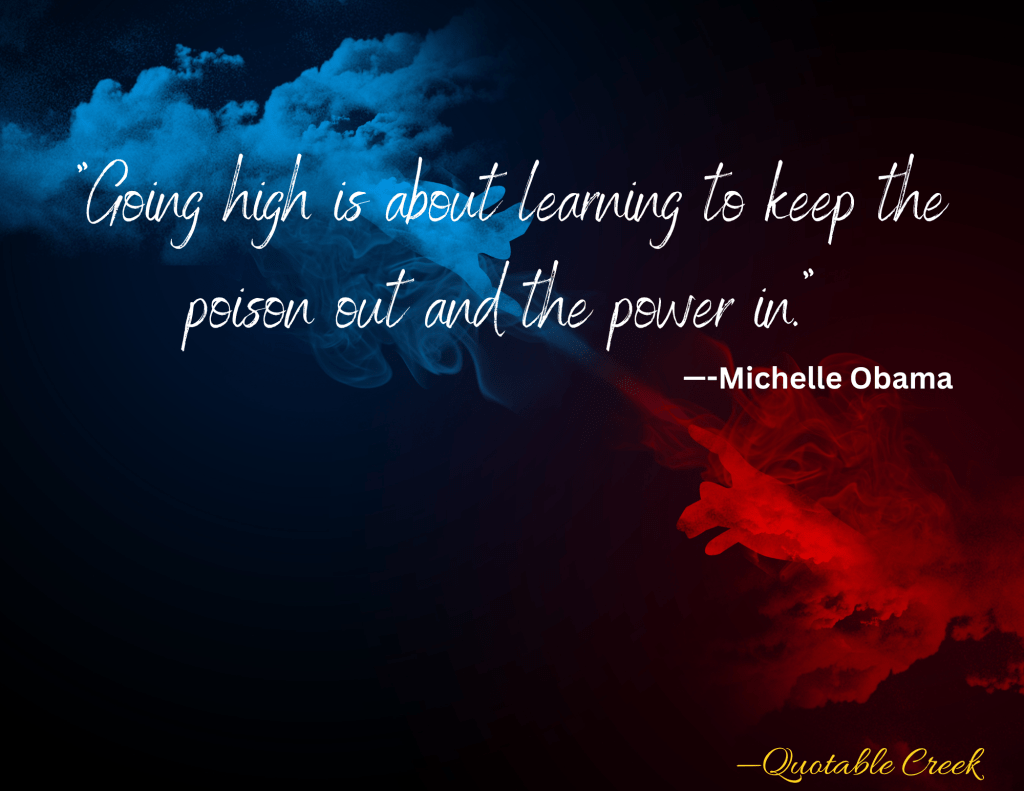
Explaining her ‘go high’ comment, Michelle Obama says,
My answer is yes. We need to keep trying to go high. Operating with integrity matters. It will matter forever. It is a tool.
At the same time, though, I want to be clear: Going high is something you do rather than merely feel. It’s not some call to be complacent and wait around for change, or to sit on the sidelines as others struggle. It is not about accepting the conditions of oppression or letting cruelty and power go unchallenged. The notion of going high shouldn’t raise any questions about whether we are obligated to fight for more fairness, decency, and justice in this world; rather, it’s about how we fight, how we go about trying to solve the problems we encounter, and how we sustain ourselves long enough to be effective rather than burn out. There are some who see this as an unfair and ineffective compromise, an extension of respectability politics, in which we conform to rather than challenge the rules in order to get by. Why, people rightly wonder, do we need to try to be so reasonable all the time?
I can see how some think that reason leaves no room for rage. I understand the perception that going high means that you somehow remove yourself and remain unbothered by all that might otherwise gall and provoke you.
But it’s not that at all.
When I first said those words…, I was neither removed nor unbothered. In fact, I was pretty agitated….
But where was my actual power? I knew it didn’t reside in my hurt and rage, at least as they existed in raw forms. My power lay in whatever I could manage to do with that hurt and rage, where I could take it. It hinged on whether or not I could elevate those feelings into something that would become harder for others to write off, which was a clear message, a call to action, and a result I was willing to work for.
That’s what going high is for me. It’s about taking an abstract and usually upsetting feeling and working to convert it into some sort of actionable plan, to move through the raw stuff and in the direction of a larger solution.
I want to be clear that this is a process, and not always a quick one. It can take time and patience. It’s okay to sit and stew for a while, to live inside the agitation caused by injustice or fear or grief, or to express your pain. It’s okay to grant yourself the space you need to recover or heal. For me, going high usually involves taking a pause before I react. It is a form of self-control, a line laid between our best and worst impulses. Going high is about resisting the temptation to participate in shallow fury and corrosive contempt and instead figuring out how to respond with a clear voice to whatever is shallow and corrosive around you. It’s what happens when you take a reaction and mature it into a response.
Because here’s the thing: Emotions are not plans. They don’t solve problems or right any wrongs. You can feel them—you will feel them, inevitably—but be careful about letting them guide you. Rage can be a dirty windshield. Hurt is like a broken steering wheel. Disappointment will only ride, sulking and unhelpful, in the back seat. If you don’t do something constructive with them, they’ll take you straight into a ditch.
My power has always hinged on my ability to keep myself out of the ditch.
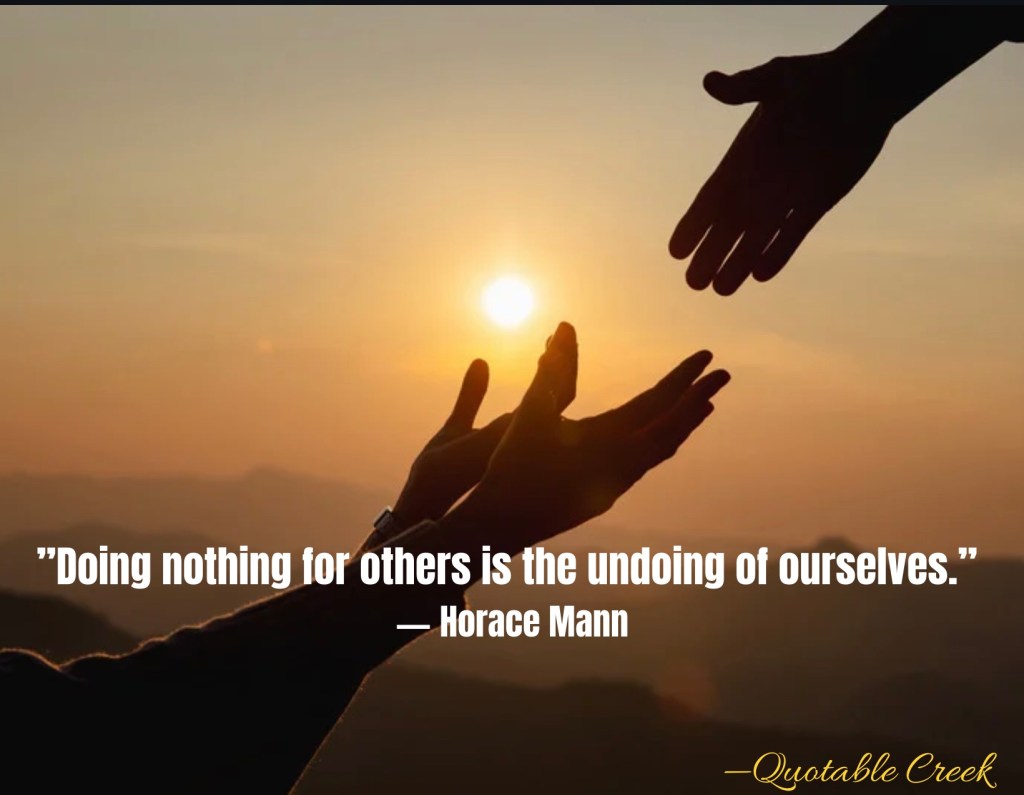
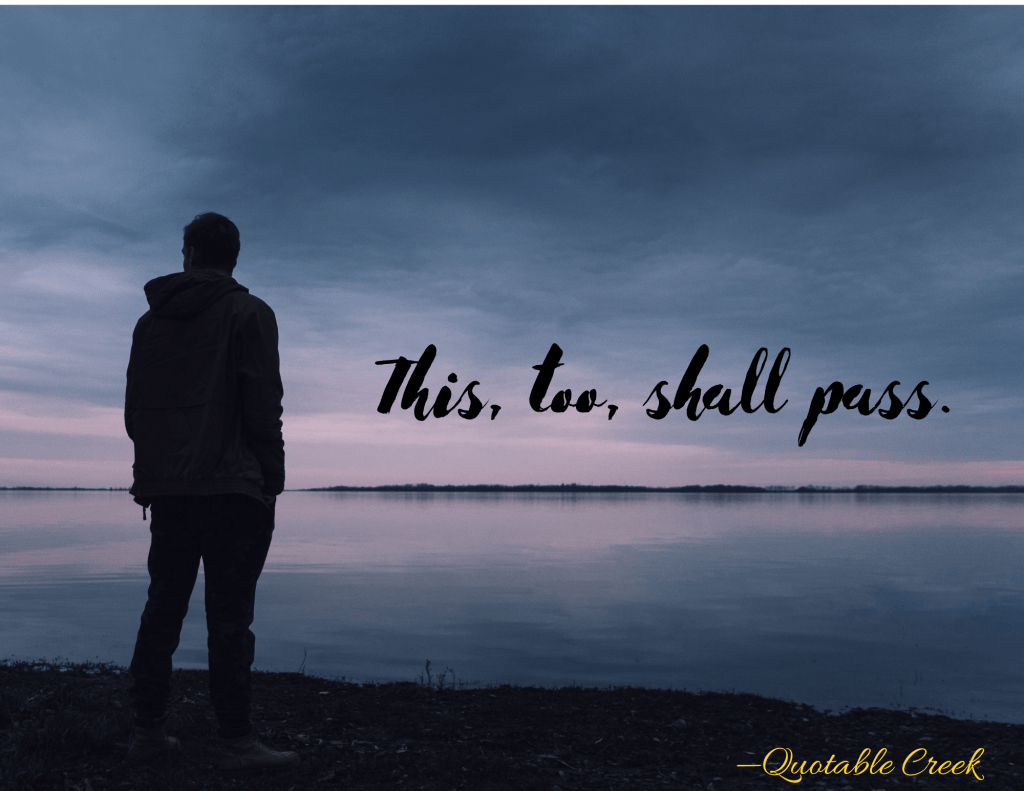
One good thing to come out of despair is the ability, once you are past it, to help someone in the middle of it realize that things will get better, that this, too, will pass. It’s as if we are all climbing our way out of a pit and reaching up to grab the hand of someone who has already made it out. Being able to reach your hand down to someone still in the pit is a blessing from something awful you may have gone through.
Along these lines, was the It Gets Better movement started several years ago, with prominent people from the LGBTQ community sharing their stories to help others who were struggling and feeling desperate.
Perhaps your last few years have been filled with grief. Certainly for many the pandemic has been a season of loss—of community, of norms, of freedoms, and, for many, of loved ones.
As you go forward, remember that we are each other’s support. We are each other’s comfort and hope. Reach out to each other.
For a very powerful rendition of R.E.M.’s, Everybody Hurts, listen to this rendition by priest, Father Ray Kelly. I stumbled onto this video several years ago, and it recently popped up again. I need to store it in a safe place to rewatch as needed. For me at least, it touches the soul and gives me solace.

 QuotableCreek.com