Making sense of the dark.
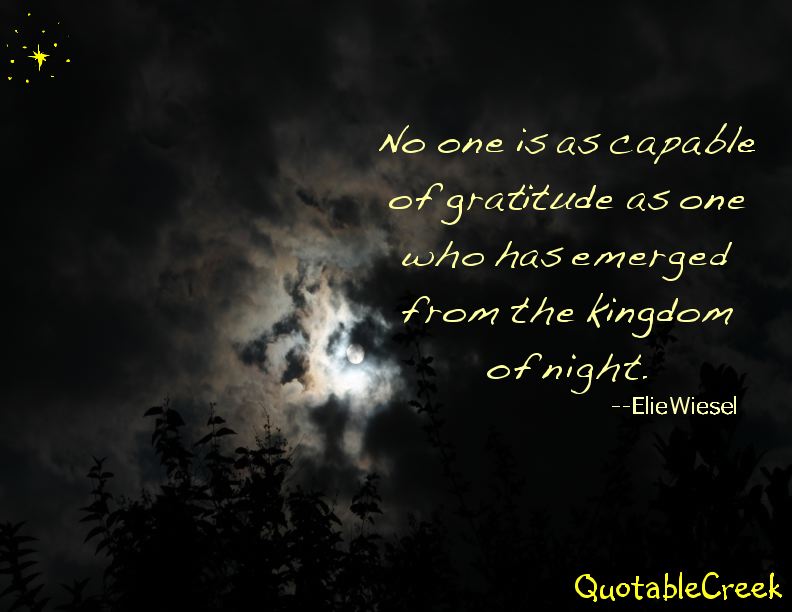
If anyone could speak to emerging from the kingdom of night, it would be Elie Wiesel. Taken with his parents and sisters to Auschwitz, Wiesel writes of horrors beyond comprehension endured in WWII concentration camps, including the shame he felt in overhearing his father being beaten but being unable to intervene. Orphaned there, he survived and went on to write of his experience and to advocate for the minority or mistreated. He spoke with the authority of the oppressed and illuminated the need for those who witness abuse to not stand silent, but to engage on behalf of that which is right and good:
“The opposite of love is not hate, it’s indifference. The opposite of art is not ugliness, it’s indifference. The opposite of faith is not heresy, it’s indifference. And the opposite of life is not death, it’s indifference.”
For those reading about something as horrific as the Nazi treatment of Jews, we have trouble understanding. What makes people hate? How can a nation stand by and tolerate the mistreatment and extermination of its own people?
But as we search the darkness for answer, light emerges. While, yes, there are plenty of villains; there, too, are heroes. People like Wiesel rise up and urge us toward our better natures and give us courage to stand down evil.
As we go through our lives today, we can look for ways to rise up, to speak out against injustice and indifference, to value love over hate, and to hold ourselves accountable to those parts of our souls that are light and good.

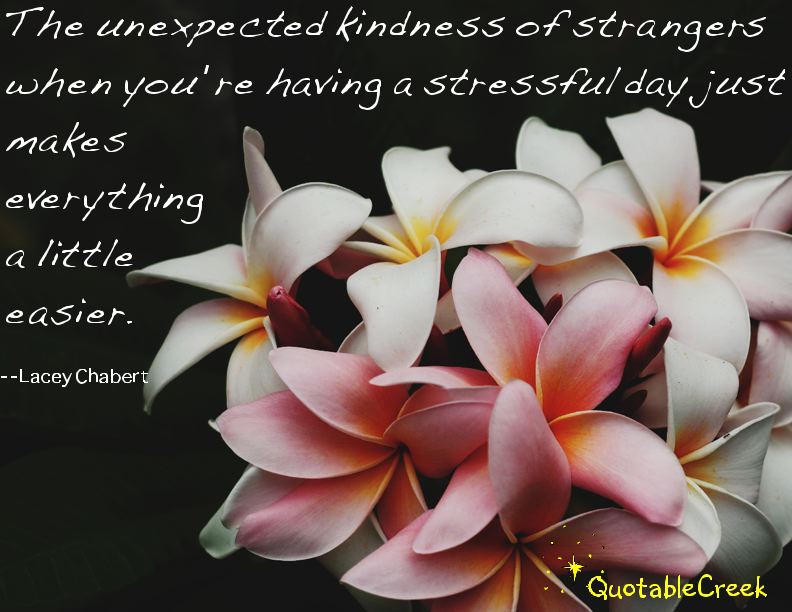 Have you ever been at a restaurant or grocery store with a crying or tantrumming child? It’s awful, that feeling of everyone staring at you and blaming you for somehow disrupting their lives. Not to mention, the criticism and judgment! Some people are only too eager to point out just what you are doing wrong and how you shouldn’t be out in public if you can’t control your children. But, sometimes, a stranger reaches out and helps– offers to amuse the baby, gives you a wink of encouragement, tells you they’ve been there, too, and that things will get better. That little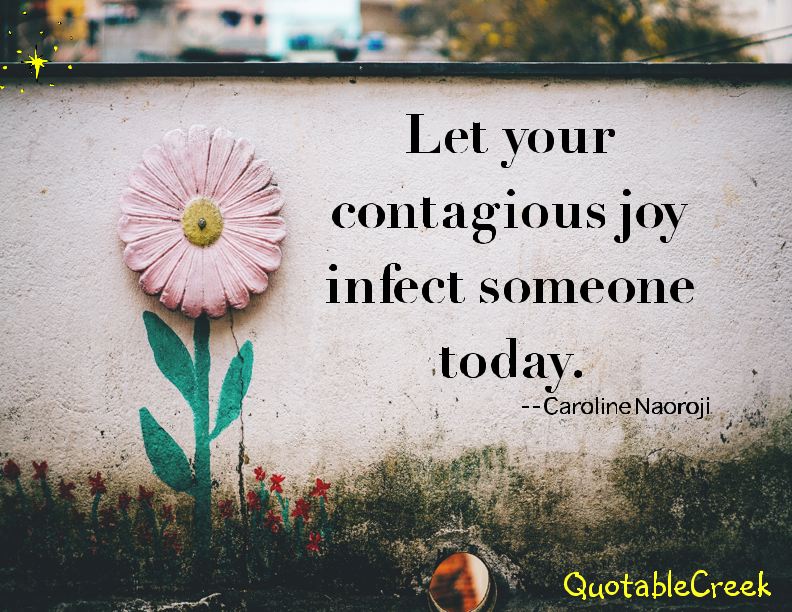
 Answer: Play. Question: What is something children do that adults need desperately?
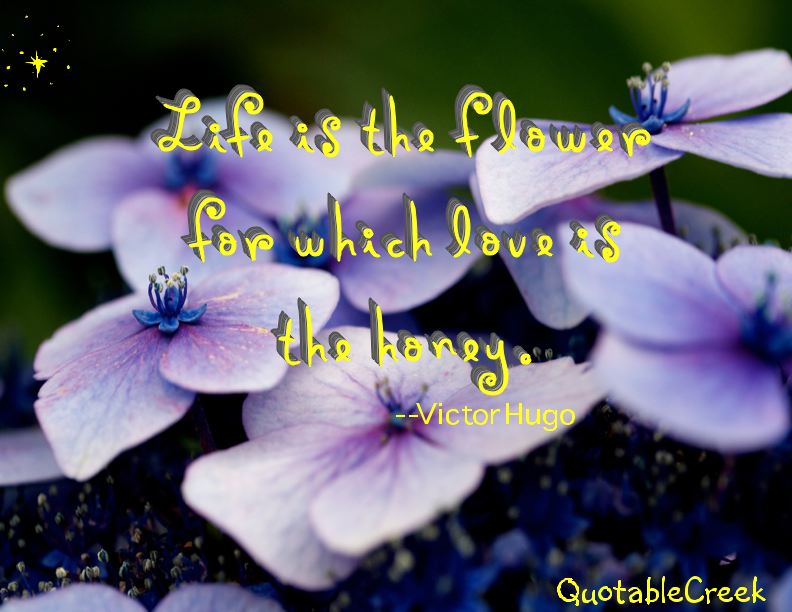 We all know what love is, don’t we? You can’t really measure it scientifically. There’s no formula for how to produce it, but we definitely know when it’s there and when it’s not. And we all value love and want it in our lives. More, please, even. So how do we cultivate more loving relationships?
